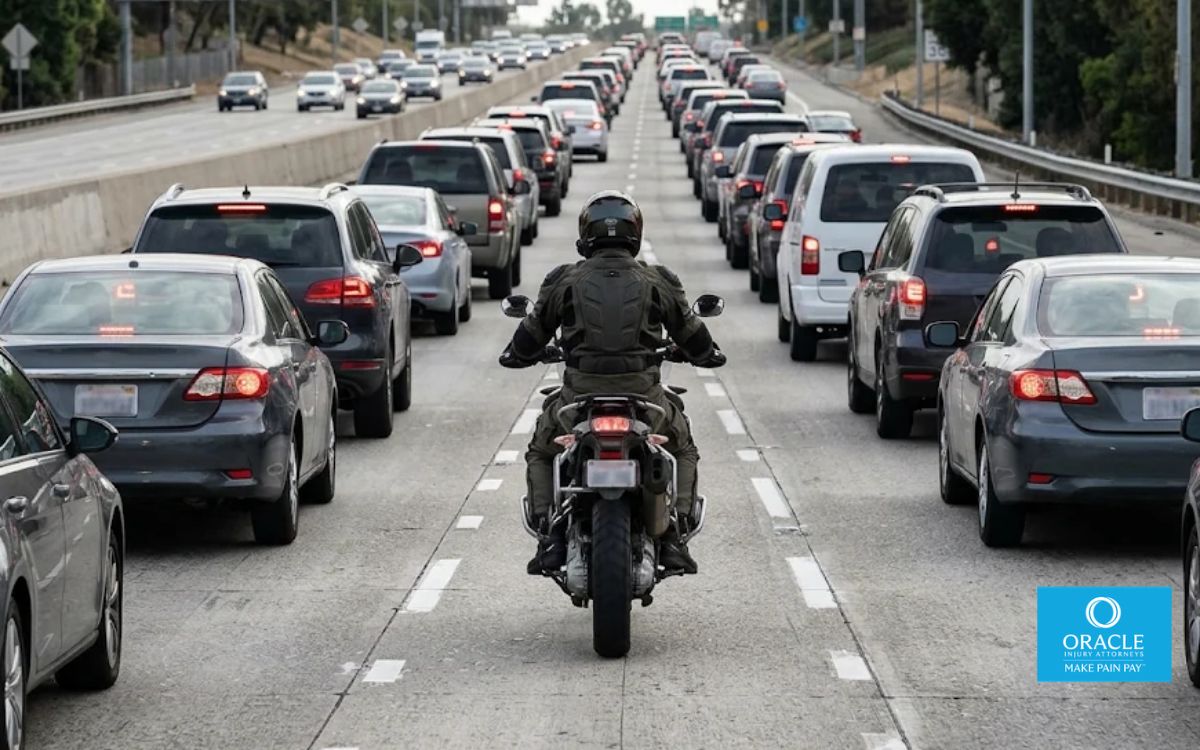
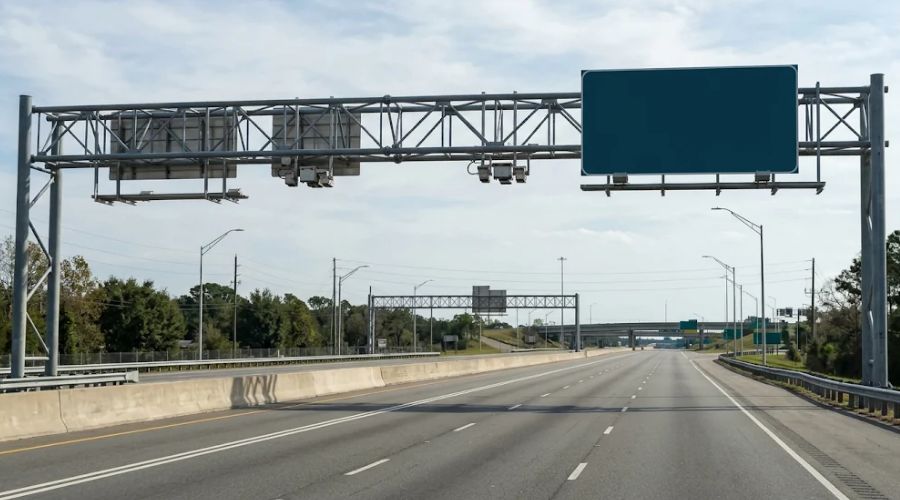
A 91 Express Lanes crash in Anaheim Hills happens in a very particular place: a narrow toll lane in the middle of SR-91, separated from general traffic by channelizers and painted lines, with limited places to pull over. That setting shapes how fault is argued. This guide explains how fault is proven in California, what evidence matters most in the Express Lanes, and when the agencies that run and maintain the lanes can share responsibility.
91 Express Lanes Crash: Who Runs the Lanes Matters
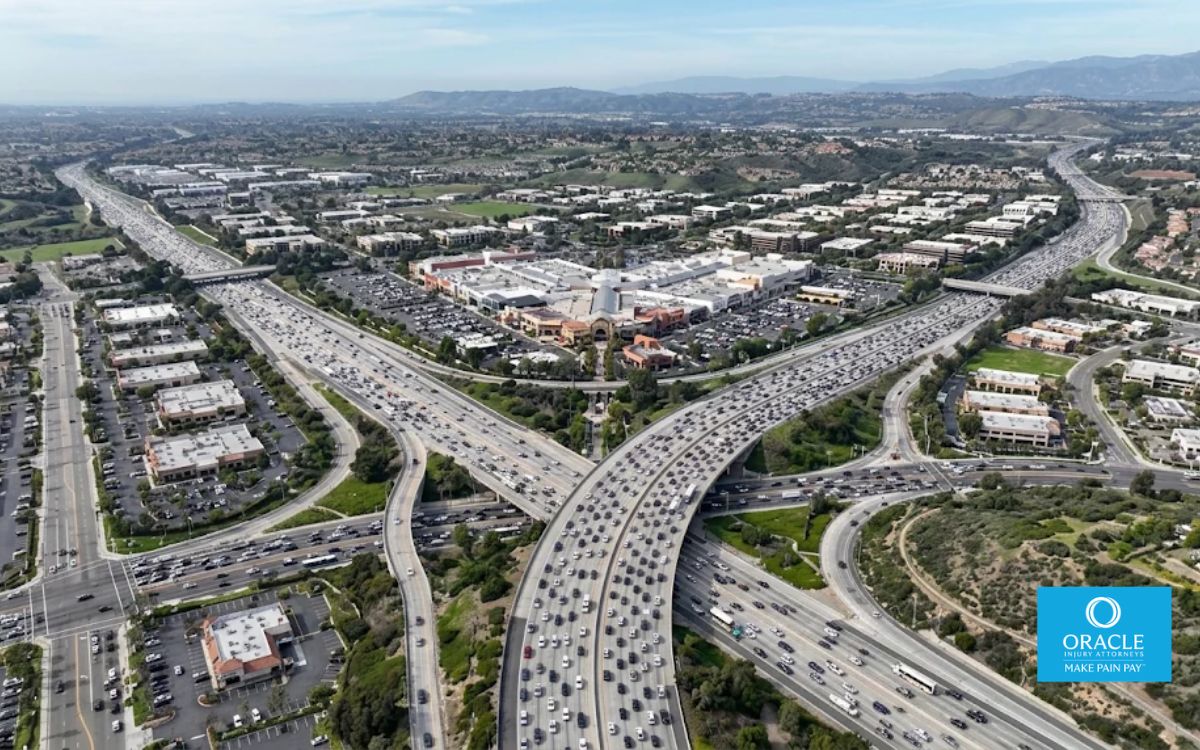
The Orange County Transportation Authority owns and operates the 91 Express Lanes in Orange County, a four-lane, 10-mile toll road in the median of SR-91 between SR-55 and the Orange and Riverside County line. In the Anaheim Hills area the lanes run past Weir Canyon Road and the SR-241 connector. According to OCTA, the California Highway Patrol polices the lanes, and Caltrans performs routine maintenance such as sweeping and debris removal under contract. You can find more at the Orange County Transportation Authority.
Why does that matter? In most freeway crashes, the other driver is the only target. Here, a public agency runs the road and another maintains it, so a road-condition factor can bring a government claim into the picture alongside the at-fault driver. We cover that below.
How Fault Is Proven in California
To prove fault you show that the other driver failed to use reasonable care and that this failure caused your injury. You do not need certainty. You need evidence that makes your version more likely than not. In an Express Lanes crash, the questions usually look like this: did someone change lanes or cross the channelizers without room, follow too closely, or drive too fast for the traffic ahead?
Traffic law violations can carry real weight. A driver who violated a Vehicle Code section that was meant to prevent your kind of injury can be treated as negligent, a rule called negligence per se under Evidence Code Section 669. Examples include Vehicle Code Section 21658, which requires driving within a single lane until a move can be made safely, and the following-distance rule explained in our guide on who is at fault in a rear-end collision in California.
What Makes Express Lanes Crashes Different
Express lanes are built to keep traffic moving, and they often flow faster than the general purpose lanes beside them. Drivers are expected to enter and exit only at designated access points, so a driver who cuts across the channelizers or painted lines to get in or out can be the cause of a crash. That is a fact worth proving with video, witnesses, and damage patterns.
Speed differences and tight lanes also make disputes about who was where very common. The channelizers and median setting leave little room to avoid a car that suddenly moves into your lane, which is why sideswipes and rear-end chain reactions are typical. For how a similar interchange crash is analyzed, see our post on El Toro Y crash in Irvine: who pays for your injuries.
The Evidence That Proves Fault
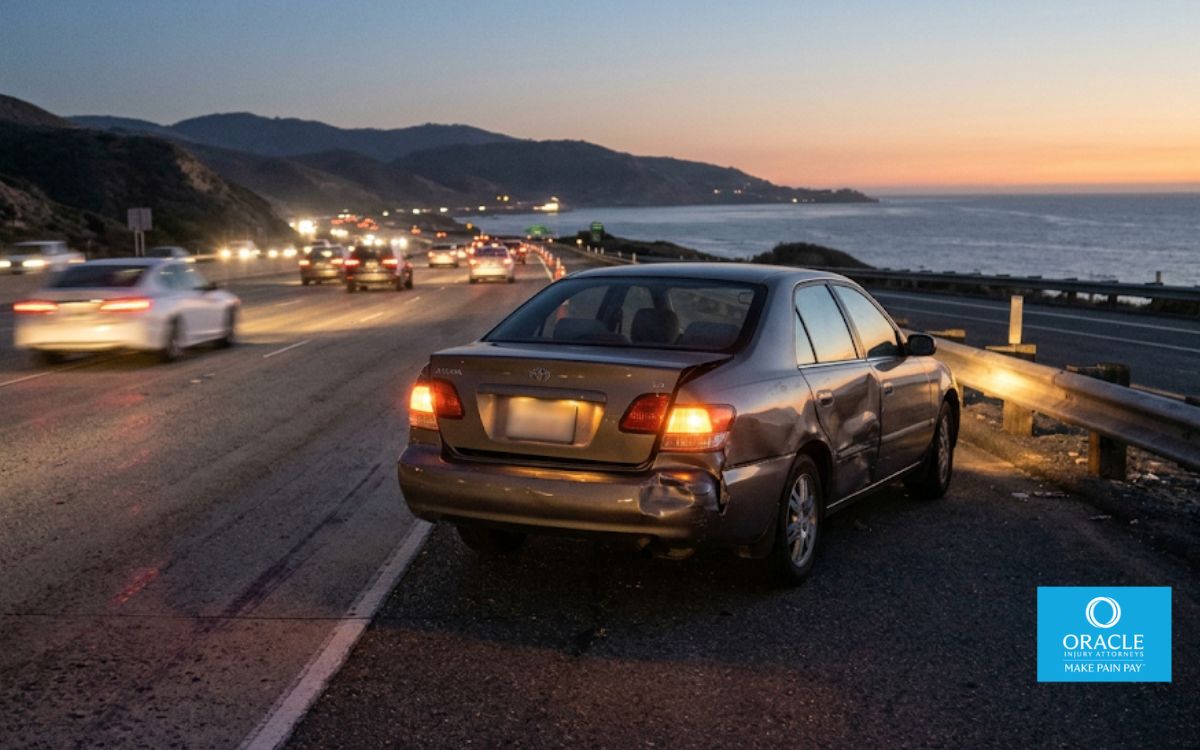
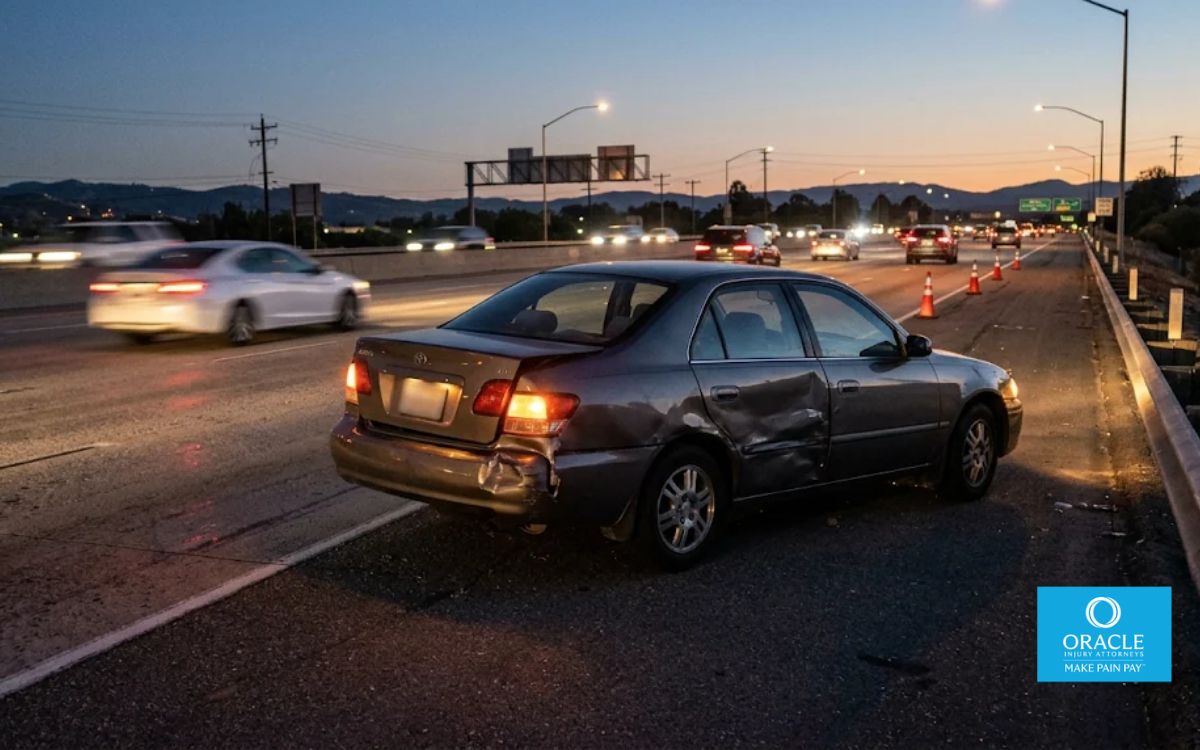
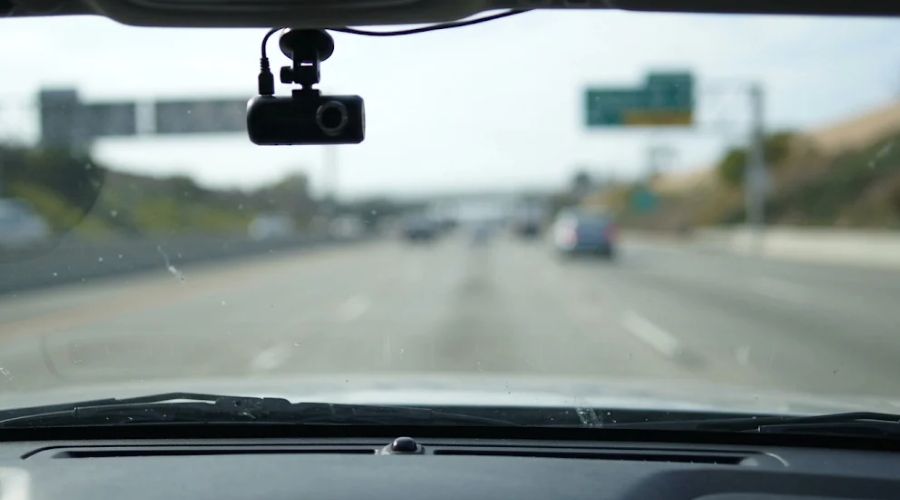
Start with the California Highway Patrol crash report. Ask the officer how to get a copy and keep the report number. Photograph vehicle positions, damage, tire marks, debris, and nearby channelizers before the scene is cleared. Collect witness contact information, and save any dashcam footage right away, from your car or from other drivers who stopped.
In serious cases, an accident reconstruction expert uses damage patterns, vehicle data, and the physical scene to show who moved where and how fast. OCTA, which runs the lanes and operates toll operations centers that handle incident reports, may hold records such as incident logs, camera footage, or toll transponder data that help show lane use and timing. Retention periods can be short, so ask an attorney to send preservation requests quickly.
When You Are Blamed for Part of the Crash
Insurers often argue the injured driver changed lanes, sped, or braked suddenly. California uses comparative negligence, so if you are found partly at fault, your compensation is reduced by your percentage, but you can still recover the rest. Every percentage point matters. On a $200,000 claim, the gap between 10% and 30% fault is $40,000. Our posts on what happens if you’re partly at fault for an accident in California and how comparative negligence affects your payout show how to challenge an inflated percentage.
When OCTA, Caltrans, or a Contractor May Share Responsibility
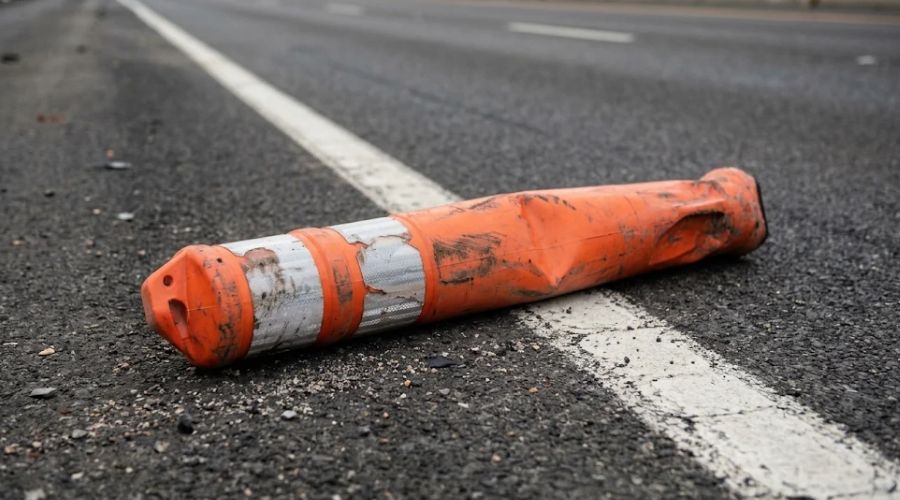
If a dangerous condition contributed to the crash, such as damaged or missing channelizers, debris that should have been cleared, a poorly marked work zone, or a maintenance failure, a claim against a public agency or a contractor may be possible. These claims depend on proving the agency knew or should have known about the condition, and they take more evidence than a driver-versus-driver claim.
The deadline is much shorter. A claim against a government agency generally must be presented within six months under Government Code Section 911.2. If there is any chance the road played a role, ask an attorney early.
Who Pays for Your Injuries
The at-fault driver’s liability insurance pays first, up to its limits. California’s minimum limits rose to $30,000 per person and $60,000 per accident on January 1, 2025, which often does not cover a serious injury. Your own uninsured or underinsured motorist coverage, MedPay, and collision coverage can fill gaps. See dealing with an accident caused by an uninsured driver. For how a claim is valued, read what your personal injury case is worth in California.
What to Do After the Crash
Call 911 and stay safe, since the Express Lanes offer few places to stop. Get medical care the same day, even if you feel fine, because some injuries show up later. Do not give a recorded statement before you understand your rights, and do not accept a quick offer. See how to talk to an insurance adjuster after an accident and whether to accept the insurance company’s first offer.
Deadlines
A lawsuit against a private driver generally must be filed within two years under Code of Civil Procedure Section 335.1, and a claim against a government agency within six months. For every deadline in one place, see how long you have to file a car accident claim in California. To decide whether you need a lawyer, read do you need a personal injury lawyer in Orange County.

Frequently Asked Questions
How is fault proven after a crash in the 91 Express Lanes?
Who operates and polices the 91 Express Lanes in Orange County?
Can OCTA or Caltrans be liable for a crash in the Express Lanes?
What if I am blamed for part of the crash?
How long do I have to file a claim after an Express Lanes crash?
Hurt in the Express Lanes? Protect the Evidence First
Fault in an Express Lanes crash is often decided by evidence that disappears quickly. Oracle Law Firm | Accident & Injury Attorneys handles freeway crash claims throughout Orange County, with a free, confidential consultation, no upfront fees, and no obligation.
You only pay if we recover compensation. Contact our team today before you speak with an insurer.