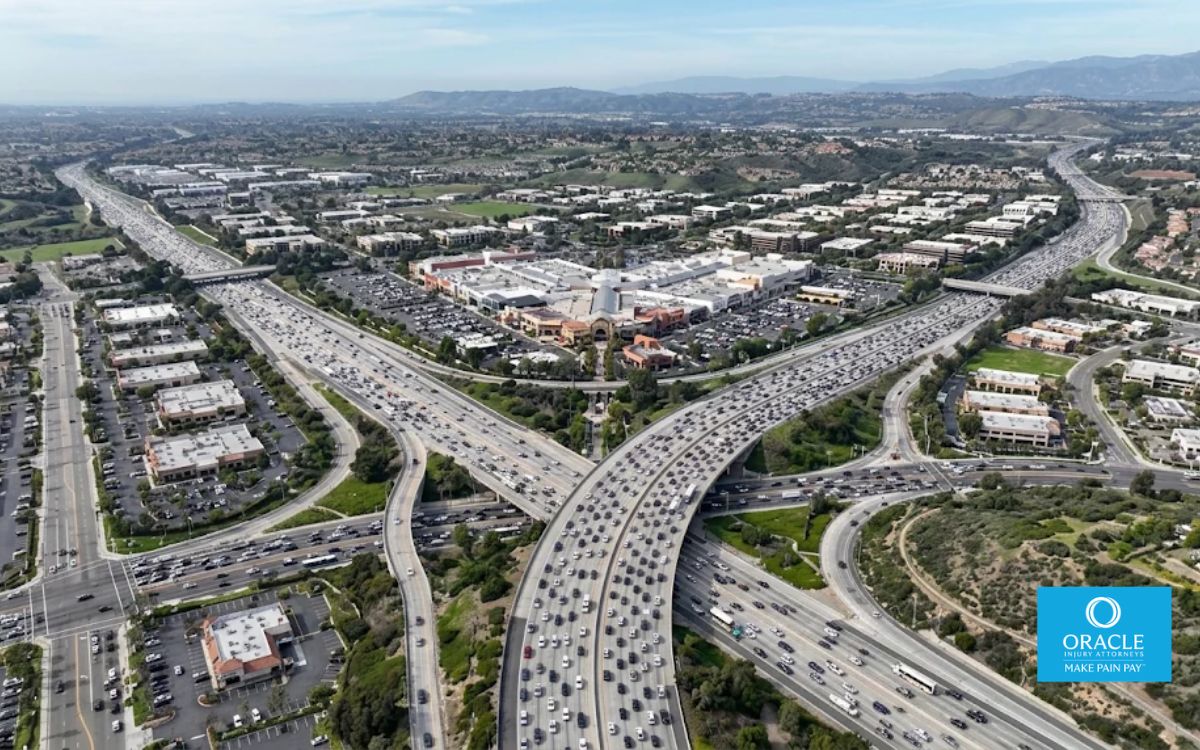
One moment you are merging, and the next you are sitting in a damaged car with your heart pounding and traffic rushing by. If you were hurt in a crash at the 405/55 interchange in Costa Mesa, you are probably overwhelmed, and that is completely normal. This is one of the busiest spots in Orange County, and a collision here can happen fast and get complicated even faster. The steps below will help you protect your health and your rights, starting from the shoulder of the freeway.
Injured at the 405/55 Interchange: Start With Safety
Your first job is to get safe. Call 911 and tell the dispatcher where you are, which direction you were traveling, and whether anyone is hurt. If your car can move and it is safe to do so, steer it to the right shoulder or the nearest exit. If it cannot be moved, turn on your hazard lights, keep your seat belt on, and stay in the vehicle unless there is a fire or another immediate danger. Standing outside on a freeway is dangerous, and being struck after a first crash is a real risk.
Do not downplay your pain. Adrenaline can hide injuries for hours, and paramedics would rather check you and find nothing than miss something serious. Accepting an evaluation at the scene also creates an early record of your condition.
Why the 405/55 Interchange Is Tricky
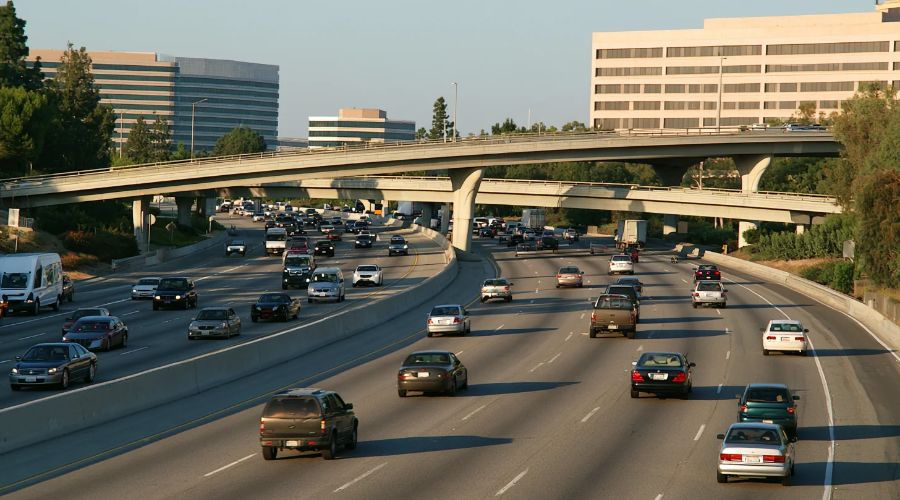
The Costa Mesa Freeway is one of the most congested freeways in Southern California, and it meets the San Diego Freeway right in the heart of the city, close to South Coast Plaza and John Wayne Airport. Drivers here are moving between freeways, merging across lanes, and exiting toward local streets, often at very different speeds. Add stop-and-go traffic, sudden slowdowns, and construction work in the surrounding area, and the odds of a rear-end collision or a multi-car pileup go up.
That mix also makes fault harder to untangle. When several cars are involved, each driver may tell a different story. That is one reason documenting what you can, and not guessing at the cause, is so important.
Report the Crash the Right Way
The California Highway Patrol generally responds to collisions on freeways and the transitions that connect them, while local police may handle crashes on nearby surface streets. When an officer arrives, give a short, factual account and ask for the report number before you leave. Avoid saying you are fine, and avoid apologizing or guessing about who caused the crash.
There are two reporting rules worth knowing. If anyone was injured or killed, the crash must be reported to law enforcement within 24 hours. Separately, under Vehicle Code Section 16000, a driver generally has to file an SR-1 form with the DMV within 10 days if anyone was injured or killed, or if property damage was more than $1,000. A police report does not replace that DMV form, and the California DMV driver handbook explains the requirement. Missing the deadline can put your license at risk, so mark it on your calendar.
Gather Evidence While You Can
If you are able and it is safe, take photos of all the vehicles, license plates, damage, skid marks, debris, and the position of the cars on the road. Get the names, phone numbers, and insurance details of the other drivers, and the contact information of anyone who saw what happened. On a freeway, witnesses often drive away, so do not assume they will be easy to find later. A dashcam, either yours or another driver’s, can be some of the most valuable evidence in a case.
If you cannot do any of this because you are hurt, do not worry. A lawyer can later track down the CHP report, request any available video, and send preservation letters before important evidence is lost.
Get Medical Care and Keep Every Record
See a doctor as soon as possible, even if you walked away from the scene. Whiplash, concussions, back injuries, and internal injuries can take hours or days to show up. Gaps in treatment give insurers an easy argument that you were not really hurt, so follow your doctor’s plan and keep your appointments. Save your bills, discharge papers, prescriptions, and notes about missed work. A simple daily note on your pain, sleep, and limits can also help show how the crash changed your life.

Handle Insurance Carefully
You will likely need to tell your own insurer about the crash. Stick to basic facts. The other driver’s insurance company is different. Its adjuster is not on your side, and a friendly phone call can turn into a recorded statement that is used to limit what you receive. You do not have to give one, and you should not sign any release or accept a quick offer until you understand the full cost of your injuries. Our posts on how to talk to an insurance adjuster after an accident and 5 tactics insurance adjusters use to lower your settlement explain what to watch for.
Who Can Be Responsible for a Freeway Crash?
The first answer is usually another driver, such as someone who followed too closely, changed lanes without looking, or was speeding or distracted. But freeway crashes can involve other parties, too. If a commercial truck or delivery van was involved, the company that employs the driver may share responsibility. If a rideshare driver was working at the time, additional insurance may apply. If a poorly maintained road, missing signage, or a hazard in a work zone played a part, a government agency or a contractor could be involved, which brings shorter deadlines and special rules.
Fault does not have to be all or nothing. California follows comparative fault, which means your compensation is reduced by your share of responsibility instead of being denied. On a crowded freeway where several cars were involved, that can make a real difference in whether a claim is still worth pursuing.
If the Driver Left or Had No Insurance
Hit-and-run crashes happen on freeways, where it is easy for a driver to disappear into traffic. Report it to the CHP right away and write down everything you remember, including the make, color, partial plate, and which way the car went. If the other driver cannot be found or does not have insurance, your own uninsured motorist coverage may help pay for your injuries. Check your policy and talk to a lawyer early, because these claims can have their own notice requirements.
Deadlines That Apply After a Costa Mesa Freeway Crash
Most personal injury lawsuits in California must be filed within two years under Code of Civil Procedure Section 335.1. If a public agency may share responsibility, a claim generally has to be presented within six months under Government Code Section 911.2. Children may have additional time. For every California deadline in one place, see how long you have to file a claim in California.
If you are still deciding whether to bring in a lawyer, read do you need a personal injury lawyer in Orange County. To understand how claims are valued, see what your personal injury case is worth in California. And if you are wondering what a first call involves, our guide to what happens on a free injury lawyer consultation walks you through it.

Frequently Asked Questions
Who responds to a crash at the 405/55 interchange in Costa Mesa?
Do I have to report a freeway accident in California?
What if the driver who hit me left the scene?
What if more than one car was involved in my crash?
How long do I have to file a claim after a freeway accident in California?
Hurt on the 405 or 55 in Costa Mesa? Talk to Someone Who Can Help
Freeway crashes are stressful, and insurers move quickly. Oracle Law Firm | Accident & Injury Attorneys helps injured drivers and passengers throughout Orange County, including Costa Mesa, with a free, confidential consultation, no upfront fees, and no obligation. You only pay if we recover compensation. Contact our team today before you speak with the other driver’s insurance company.