Understanding how California licensing laws may impact compensation after a car accident.
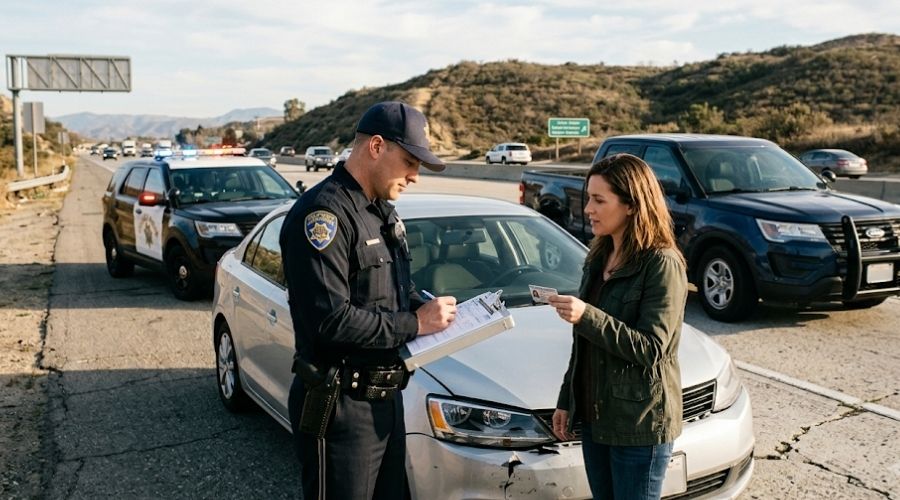
Estar involucrado en una accidente automovilistico is stressful enough without additional concerns about licensing issues. Yet many people wonder whether driving without a valid license automatically prevents them from recovering compensation if another driver causes a crash.
The short answer is no. In California, driving without a license does not automatically eliminate your right to pursue a personal injury claim. However, the situation can become more complicated depending on the facts of the accident, the reasons the driver was unlicensed, and whether the lack of a license contributed to the collision.
Insurance companies frequently look for reasons to reduce payouts, and an unlicensed driver may face additional scrutiny during the claims process. Adjusters may attempt to use the licensing issue to challenge credibility, argue comparative fault, or minimize the value of a claim. Understanding how California law approaches these situations can help accident victims protect their rights and avoid common misconceptions.
Whether your accident occurred in Orange County, Los Angeles, Riverside, or elsewhere in California, it is important to know that fault—not licensing status—is often the central issue in determining liability and compensation.
Driving without a license may create legal problems, but it does not automatically erase your right to seek compensation when another party causes an accident.
California Law Focuses on Fault, Not Simply Licensing Status
One of the most common myths surrounding car accident claims is that an unlicensed driver automatically loses the ability to recover damages.
California law does not work that way.
In personal injury cases, the primary question is usually whether another party acted negligently and caused the accident. Negligence may involve behaviors such as:
- Conducción distraida
- Exceso de velocidad
- Running a red light
- Failing to yield
- Following too closely
- Conducir bajo la influencia
- Cambios de carril inseguros
If another driver causes a collision through negligent behavior, the injured party may still have the right to pursue compensation, even if they did not possess a valid driver’s license at the time.
For example, imagine that an unlicensed driver stops at a red light when another vehicle rear-ends them. The lack of a license did not cause the crash. In that situation, the unlicensed driver may still have a viable personal injury claim against the at-fault motorist.
The key issue remains causation.
Insurance companies, attorneys, and courts typically focus on whether the driver’s actions contributed to the collision rather than simply whether they held a valid license.
Different Types of Licensing Issues Can Affect a Claim
Not all licensing situations are the same.
Insurance companies often distinguish between different categories of unlicensed drivers.
Estos pueden incluir:
Never Obtained a Driver’s License
Some individuals drive without ever receiving a valid license.
While such behavior may result in traffic violations or penalties, it does not automatically determine fault in a personal injury case.
Expired Driver’s License
A driver whose license recently expired may face a different situation than someone who has never been licensed.
The expiration itself does not necessarily affect liability for the accident.
Suspended License
A suspended license can raise additional concerns because the suspension may have occurred for reasons such as:
- Prior traffic violations
- DUI convictions
- Failure to maintain insurance
- Failure to appear in court
- Accumulated points on a driving record
Insurance companies may investigate the circumstances behind the suspension when evaluating a claim.
Revoked License
A revoked license often involves more serious legal issues and may attract greater scrutiny during litigation or settlement negotiations.
However, even in these situations, fault remains a central factor.
Each case must be evaluated based on its unique facts.
How Insurance Companies May Use Licensing Issues Against You
Although being unlicensed does not automatically bar recovery, insurance companies often attempt to use licensing issues to their advantage.
Adjusters may argue that:
- The driver lacked adequate driving experience.
- The driver should not have been on the road.
- The driver was more likely to have contributed to the accident.
- The driver’s credibility is questionable.
These arguments are not always legally persuasive, but they can influence settlement negotiations.
Insurance companies frequently seek evidence that supports comparative negligence.
California’s comparative negligence system reduces compensation if an injured person shares responsibility for an accident.
For example, if a jury finds that a driver caused 20% of a collision, the court may reduce any compensation awarded by 20%.
Because of this, insurers may attempt to connect the licensing issue to the cause of the crash whenever possible.
Strong evidence often becomes critical in these situations.
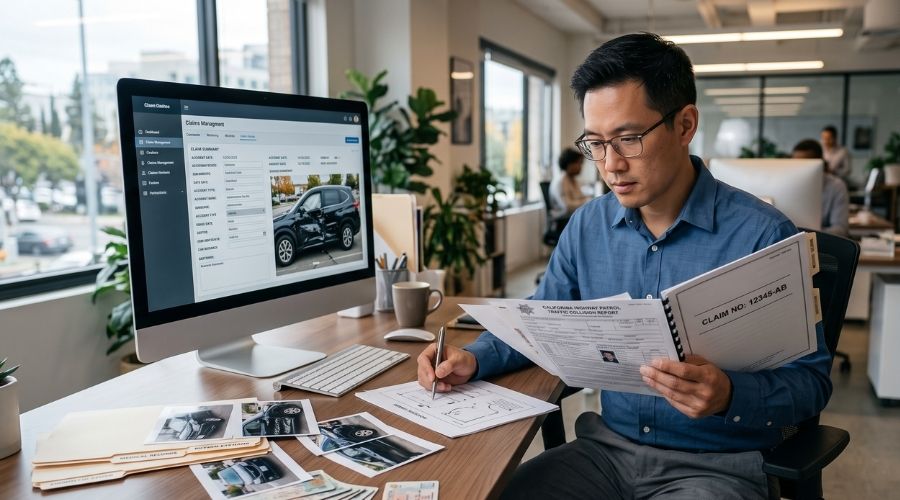
Police reports, witness statements, photographs, traffic camera footage, and accident reconstruction evidence may all help establish liability regardless of licensing status.
When an Unlicensed Driver May Still Recover Compensation
Many people are surprised to learn how often unlicensed drivers successfully pursue injury claims.
Compensation may still be available when:
- Another driver clearly caused the collision.
- The lack of a license did not contribute to the accident.
- The injured driver suffered legitimate damages.
- Liability evidence strongly supports the claim.
Potential compensation may include:
Gastos médicos
Accident victims may seek recovery for:
- Emergency treatment
- Hospital stays
- Cirugía
- Fisioterapia
- Medicamentos recetados
- Future medical care
Ingresos perdidos
Serious injuries can prevent individuals from working for extended periods.
Compensation may cover:
- Salarios perdidos
- Reduced earning capacity
- Future income losses
Dolor y sufrimiento
California law may allow recovery for non-economic damages such as:
- Physical pain
- Estrés emocional
- Ansiedad
- Depresión
- Pérdida del disfrute de la vida
The availability of these damages depends on multiple factors, including the circumstances of the case.
Daño a la propiedad
Vehicle repair or replacement costs may also be recoverable when another party causes the accident.
The existence of a licensing issue does not automatically eliminate these categories of damages.
The value of a personal injury claim is generally determined by fault and damages, not solely by whether a driver’s license was valid on the day of the crash.
Situations Where a License Issue Could Affect the Outcome
While an unlicensed driver may still pursue compensation, there are situations where the licensing issue can have a greater impact.
Por ejemplo:
Lack of Driving Experience Contributed to the Crash
If evidence shows that inexperience or improper vehicle operation contributed to the collision, insurers may argue that the driver’s lack of qualifications played a role.
Criminal Conduct Is Involved
If the accident occurred while the driver was engaging in criminal conduct beyond simple licensing violations, additional legal complications may arise.
Insurance Coverage Disputes
Some insurance policies contain provisions that may create coverage disputes involving unlicensed drivers.
Coverage questions often depend on:
- Policy language
- Vehicle ownership
- Household relationships
- Permission to use the vehicle
These issues can become complex and may require legal analysis.
Comparative Negligence Arguments
Insurance companies may attempt to assign greater fault to an unlicensed driver, especially when evidence regarding liability is unclear.
The stronger the evidence supporting the injured driver’s version of events, the more difficult it becomes for insurers to rely on these arguments.
What to Do After an Accident if You Do Not Have a Valid License
The steps taken after a collision can significantly affect the outcome of a claim.
Important actions may include:
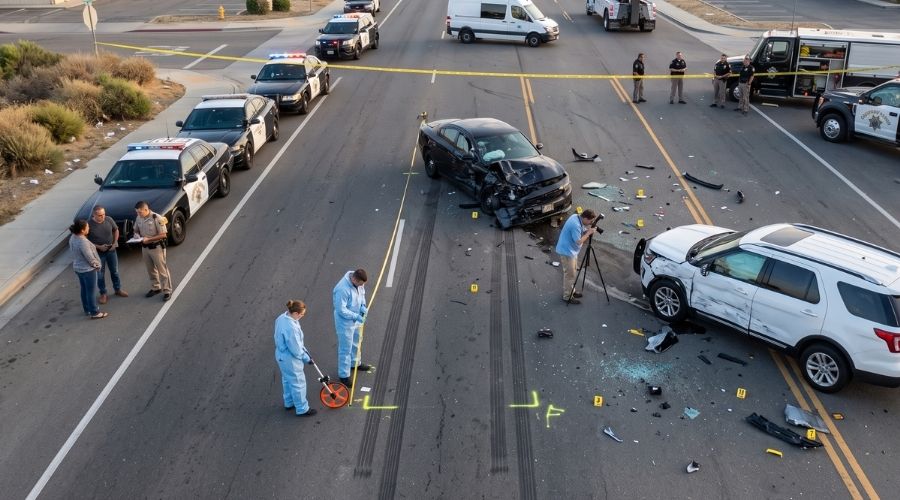
- Calling law enforcement
- Seeking immediate medical treatment
- Documentar la escena del accidente.
- Taking photographs
- Collecting witness information
- Preserving medical records
- Avoiding statements that speculate about fault
- Reporting the accident appropriately
It is generally advisable to focus on the facts of the accident rather than making assumptions about how licensing status may affect the case.
Prompt medical treatment is particularly important because insurance companies often examine gaps in care when evaluating injury claims.
Accurate documentation can help establish both liability and damages.
Preguntas frecuentes
Can I sue another driver if I was driving without a license?
Yes. California law does not automatically prevent an unlicensed driver from pursuing a personal injury claim when another party causes an accident.
Will I automatically lose my case because I was unlicensed?
No. Fault remains one of the most important factors in determining liability and compensation.
Can the insurance company deny my claim because I did not have a license?
Not necessarily. Insurers may investigate the issue, but the absence of a license alone does not automatically eliminate a valid injury claim.
Does an expired license affect a personal injury claim?
An expired license may raise questions during the claims process, but it does not automatically determine fault or prevent recovery.
Can I recover pain and suffering damages if I were unlicensed?
Depending on the circumstances of the case, pain and suffering damages may still be available. Legal evaluation is often necessary to determine how specific facts affect eligibility.
Protecting Your Rights After a California Car Accident
Driving without a valid license can create legal and practical challenges, but it does not automatically prevent an injured person from pursuing compensation after an accident. California personal injury claims generally focus on negligence, causation, and damages rather than licensing status alone.
Insurance companies may attempt to use licensing issues to reduce payouts or shift blame, making it important to understand your rights and the facts surrounding the collision.
If you were injured in a California car accident and have questions about how licensing issues may affect your claim, the experienced team at Oracle Injury Attorneys can help. Our attorneys evaluate the unique circumstances of every case and work to protect the rights of accident victims throughout California.
Contacte hoy mismo con los abogados especializados en lesiones de Oracle. to discuss your situation and learn about your legal options.