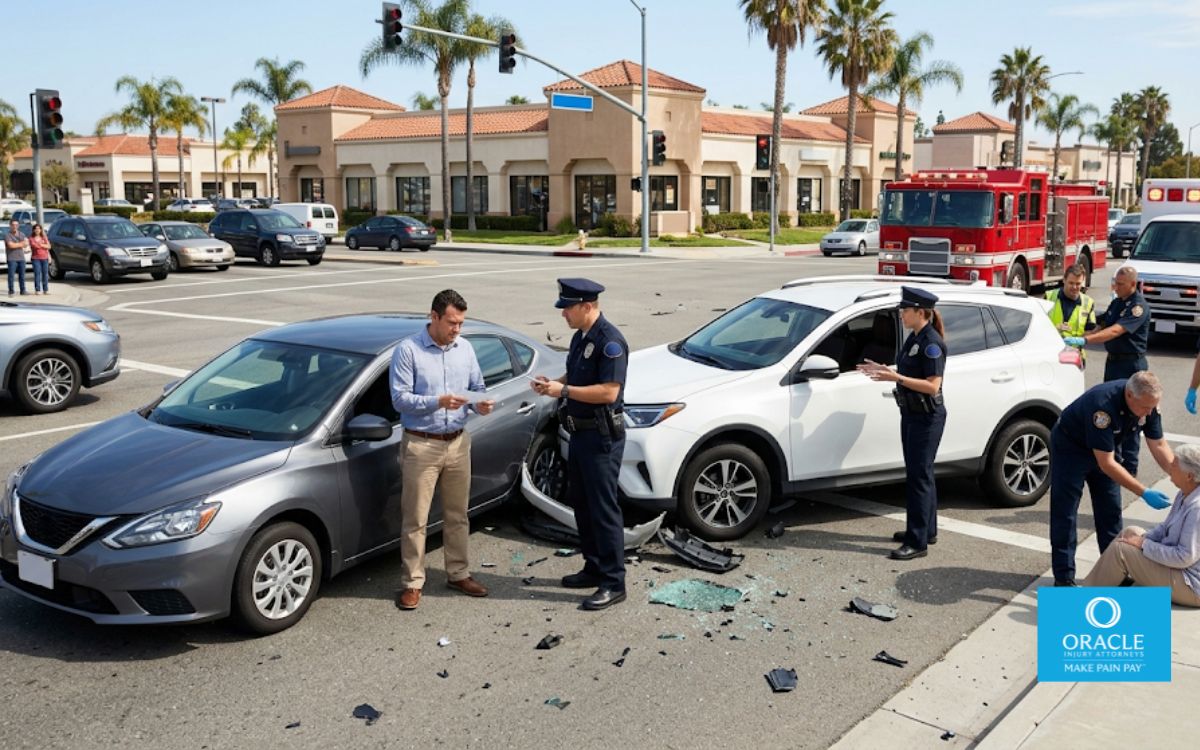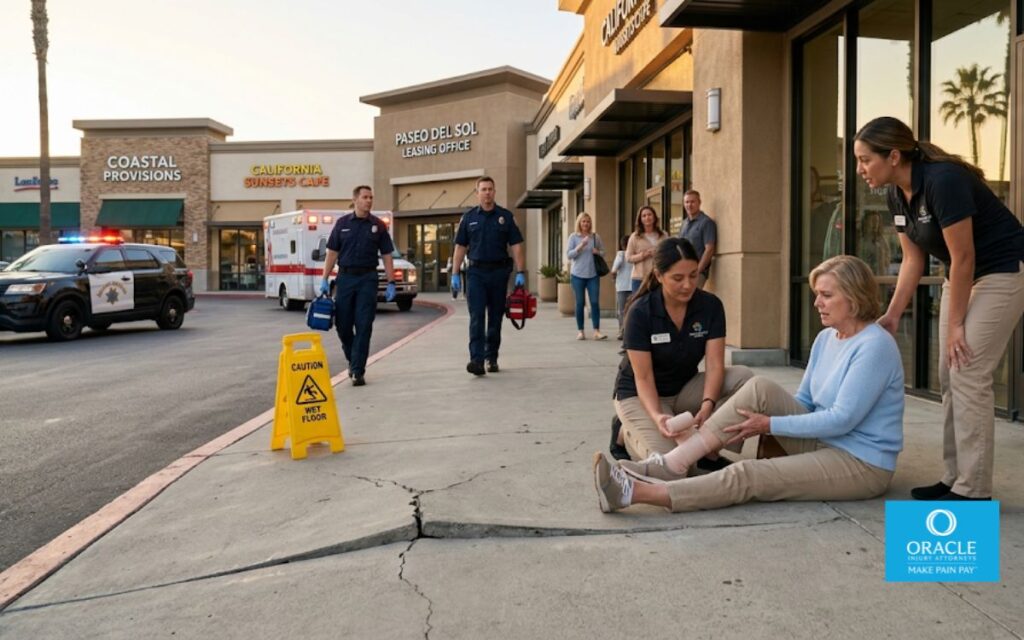
Understanding how California property injury claims work and why not every premises liability case is a slip and fall accident.
Many people use the terms “slip and fall” and “premises liability” interchangeably, but they are not the same thing. While a accidente de resbalón y caída is one type of premises liability claim, premises liability law covers a much broader range of situations involving dangerous property conditions and injuries.
Understanding the distinction is important because the legal requirements, evidence, and potential compensation can vary depending on how an injury occurred. Whether someone slips on a wet grocery store floor, trips over uneven pavement outside a business, suffers an injury due to inadequate security, or is hurt by a dangerous condition on private property, different legal principles may apply.
In California, property owners and occupiers have a legal duty to maintain reasonably safe conditions for visitors. When they fail to do so and someone gets hurt, they may have to pay for the resulting damages.
For accident victims throughout Orange County and California, understanding the difference between slip and fall claims and broader premises liability cases can help clarify their legal rights and options.
Every slip and fall case is a premises liability claim, but not every premises liability claim involves a slip and fall accident.
What Is Premises Liability?
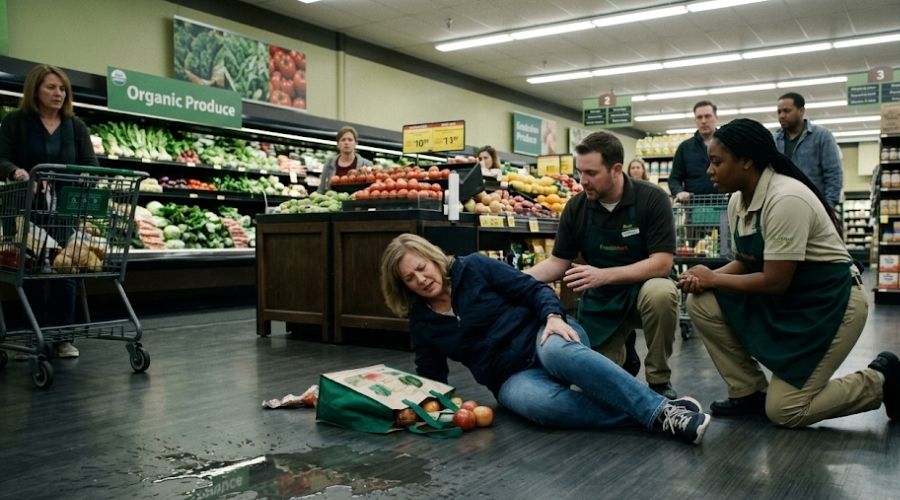
Responsabilidad de los locales is a legal concept that holds property owners and occupiers responsible when unsafe conditions on their property cause injuries.
The basic principle is straightforward. Individuals and businesses that control property must take reasonable steps to identify hazards, address dangerous conditions, and warn visitors about risks that may not be obvious.
Premises liability claims can arise from injuries that occur on the following types of property:
- Retail stores
- Shopping centers
- Restaurants
- Apartment complexes
- Hotels
- Office buildings
- Estacionamientos
- Private residences
- Public properties
- Entertainment venues
A successful premises liability claim generally requires proof that:
- A dangerous condition existed.
- The property owner knew or should have known about the hazard.
- The owner failed to correct or warn about the danger.
- The hazardous condition caused the injury.
- The victim suffered damages.
The specific facts surrounding each case determine whether the property owner may be held liable.
¿Qué es un accidente por resbalón y caída?
A accidente de resbalón y caída is one of the most common types of premises liability claims.
These cases occur when someone slips, trips, or falls due to a dangerous condition on another person’s property.
Algunos ejemplos comunes incluyen:
- Pisos mojados
- Líquidos derramados
- Freshly mopped surfaces
- Loose rugs
- Uneven sidewalks
- Broken stairs
- Torn carpeting
- Mala iluminación
- Ice or water accumulation
- Unmarked hazards
Although some falls result in relatively minor injuries, others can cause significant harm.
Las lesiones más comunes incluyen:
- Huesos rotos
- Hip fractures
- Conmociones cerebrales
- Lesiones cerebrales traumáticas
- lesiones de espalda
- Lesiones en el cuello
- Lesiones de hombro
- Lesiones de la médula espinal
Older adults are particularly vulnerable to serious complications following a fall, but individuals of any age can suffer substantial injuries depending on the circumstances.
Because slip and fall accidents are so common, California courts have developed extensive legal standards governing these claims.
Premises Liability Includes Much More Than Falls
One of the biggest misconceptions about premises liability law is that it only applies to slips, trips, and falls.
In reality, premises liability encompasses a wide range of injury scenarios.
Los ejemplos incluyen:
Seguridad negligente
Property owners may be liable when inadequate security contributes to criminal attacks.
Algunos ejemplos pueden ser:
- Mala iluminación
- Broken security gates
- Lack of security personnel
- Malfunctioning locks
- Failure to address known criminal activity
Objetos que caen
Customers and visitors may suffer injuries when merchandise, equipment, or other objects fall from shelves or storage areas.
Swimming Pool Accidents
Pool-related injuries can involve:
- Drownings
- Near-drownings
- Slip hazards
- Defective pool equipment
- Inadequate barriers
Dog Bite Incidents
Certain dog bite cases may involve premises liability issues when injuries occur on private property.
Elevator and Escalator Accidents
Property owners may be responsible when dangerous conditions involving elevators or escalators cause injuries.
Structural Hazards
Dangerous structural conditions may include:
- Collapsing decks
- Unsafe balconies
- Broken handrails
- Defective staircases
- Building code violations
While these situations differ from traditional slip and fall accidents, they often fall under the broader category of premises liability.
The Duty of Care Owed by Property Owners
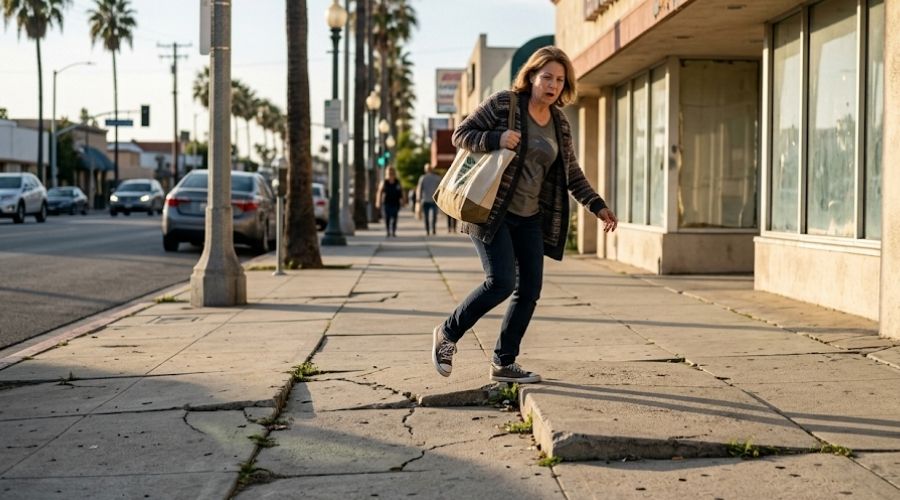
California property owners do not guarantee that every visitor will remain injury-free. However, they are generally expected to exercise reasonable care in maintaining safe premises.
Reasonable care may include the following:
- Conducting routine inspections
- Repairing dangerous conditions
- Cleaning spills promptly
- Providing adequate lighting
- Installing warning signs
- Addressing known hazards
- Following applicable safety codes
The level of responsibility often depends on the circumstances.
For example, a grocery store with thousands of daily visitors may need to conduct regular inspections of aisles and walkways to quickly identify hazards.
Likewise, an apartment complex owner may be responsible for repairing broken stairs or damaged walkways that create foreseeable risks to residents and guests.
When property owners fail to take reasonable precautions, they may face liability if someone is injured.
Property owners do not have to prevent every accident, but they must address hazards they know about or reasonably should have discovered.
Proving Liability in a California Premises Liability Case
Whether the claim involves a slip and fall or another dangerous condition, evidence plays a critical role.
Injured victims generally must establish that the property owner’s negligence caused their injuries.
Entre las pruebas importantes se incluyen las siguientes:
Surveillance Footage
Video recordings can show:
- Cómo ocurrió el accidente
- How long a hazard existed
- Whether employees responded appropriately
Fotografías
Pictures taken immediately after an accident can document dangerous conditions before they are corrected.
Declaraciones de los testigos
Witnesses may provide valuable information regarding the following:
- The condition of the property
- Prior complaints
- Cómo ocurrió la lesión
Maintenance Records
Inspection and maintenance logs may reveal whether the property owner followed reasonable safety procedures.
Incident Reports
Businesses often create reports following accidents, which may become important evidence during a claim.
Promptly gathering evidence is often critical because dangerous conditions may be repaired or removed shortly after an incident occurs.
Common Defenses Property Owners Use
Property owners and insurance companies frequently defend premises liability claims aggressively.
Common defenses include:
The Hazard Was Open and Obvious
The owner may argue that a reasonable person would have noticed and avoided the condition.
Lack of Notice
The owner may claim they did not know about the dangerous condition and had insufficient time to discover it.
Comparative Negligence
California follows a comparative negligence system.
Property owners may argue that the injured person:
- Was distracted
- Ignored warning signs
- Failed to exercise reasonable caution
If successful, compensation may be reduced according to the victim’s percentage of fault.
The Injury Was Pre-Existing
Insurance companies sometimes argue that injuries existed before the accident occurred.
Strong evidence and documentation are often necessary to overcome these defenses.
Damages Available in Premises Liability Claims
Victims injured by unsafe property conditions may be entitled to seek compensation for various losses.
Potential damages include the following:
Gastos médicos
- Tratamiento de urgencia
- Hospitalización
- Cirugía
- Rehabilitación
- Fisioterapia
- Atención médica futura
Ingresos perdidos
- Salarios perdidos
- Capacidad de ganancia reducida
- Pérdidas de ingresos futuras
Dolor y sufrimiento
Victims may seek compensation for:
- Dolor físico
- Estrés emocional
- Ansiedad
- Disminución de la calidad de vida
Daño a la propiedad
In certain situations, personal property damaged during an accident may also be recoverable.
The value of a claim depends on the severity of injuries and the overall impact on the victim’s life.
Preguntas frecuentes
Is every slip and fall considered a premises liability claim?
Generally, yes. Slip and fall accidents are one type of premises liability case involving unsafe property conditions.
Can I file a premises liability claim if I did not fall?
Possibly. Premises liability covers many types of injuries beyond slips and falls, including negligent security, falling objects, and structural hazards.
What if the property owner did not know about the hazard?
Liability may still exist if the owner should have discovered the condition through reasonable inspection and maintenance.
¿Puedo recuperar una indemnización si fui parcialmente culpable?
Yes. California’s comparative negligence laws may allow recovery even if you share some responsibility for the accident.
How long do I have to file a premises liability claim in California?
Deadlines vary depending on the circumstances. Consulting an attorney promptly helps protect your legal rights.
Protect Your Rights After a Premises Liability Accident
Slip and fall accidents are among the most common types of premises liability claims, but they represent only one category of injuries that can occur because of unsafe property conditions. Understanding the distinction can help accident victims better evaluate their legal options and pursue the compensation they deserve.
If a dangerous condition on someone else’s property injured you, you may have rights under California premises liability law. Whether your accident occurred at a store, apartment complex, restaurant, hotel, or other property, determining liability often requires a careful investigation of the facts.
The experienced team at Oracle Injury Attorneys helps injury victims throughout California pursue compensation for medical expenses, lost income, pain and suffering, and other damages resulting from unsafe property conditions. Contacte hoy mismo con los abogados especializados en lesiones de Oracle. to discuss your case and learn how we can help protect your rights.