A guide to California’s bicycle helmet laws, safety regulations, and how helmet use may affect injury claims after an accident.
Cycling remains one of the most popular ways to exercise, commute, and enjoy California’s year-round weather. Throughout condado de Orange, cyclists ride along coastal routes, neighborhood streets, bike paths, and busy roadways. While cycling offers many benefits, it also comes with risks. When accidents occur, riders often face serious injuries due to their limited protection compared to occupants of motor vehicles.
One of the most frequently misunderstood aspects of bicycle safety involves helmet laws. Many cyclists assume that California requires all riders to wear helmets, while others believe helmets are entirely optional. The reality lies somewhere in between.
California has specific bicycle helmet laws that apply to certain riders, but helmet use can also play a role in personal injury claims following a bicycle accident. Understanding the state’s requirements can help cyclists stay compliant with the law while also protecting themselves from potentially life-altering injuries.
Whether you ride recreationally, commute daily, or occasionally enjoy Orange County’s bike trails, knowing how California’s helmet laws apply to you is an important part of riding safely.
A bicycle helmet may not prevent every injury, but it remains one of the most effective tools available for reducing the risk of serious head trauma during a crash.
What Does California Law Require?
California bicycle helmet laws are found in the Código de vehículos de California and establish specific requirements for younger riders.
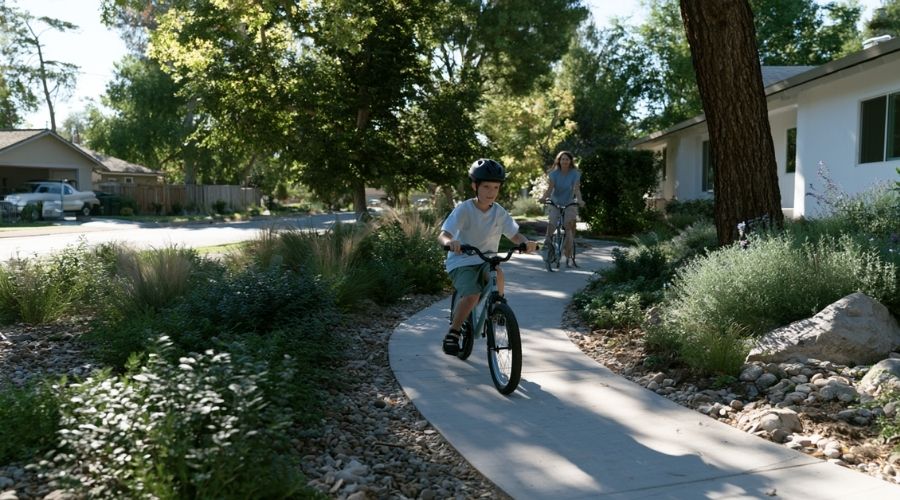
Under California law, all cyclists under the age of 18 must wear a properly fitted and fastened bicycle helmet when operating or riding on a bicycle.
This requirement applies to:
- Riders operating bicycles
- Passengers riding on bicycles
- Children riding in bicycle trailers
- Children riding in attached bicycle seats
The law applies whether the cyclist is riding on:
- Public roads
- Bike lanes
- Bicycle paths
- Sidewalks
- Public trails
Parents and guardians should understand that the helmet requirement extends beyond traditional road cycling and applies in most public settings.
Failure to comply with the law may result in citations and penalties.
What About Adult Cyclists?
Unlike some states, California does not currently require cyclists aged 18 and older to wear bicycle helmets in most situations.
Adults are generally free to choose whether they wear a helmet while riding.
However, just because helmets are not legally required for adults does not mean they are unnecessary.
Research consistently shows that helmets help reduce the severity of many cycling-related head injuries.
Adult cyclists frequently ride in environments that present significant risks, including:
- Intersecciones concurridas
- Urban traffic corridors
- Shared roadways
- Coastal highways
- Parking lot entrances and exits
Even experienced riders cannot control the actions of motorists, road hazards, or unexpected conditions.
As a result, many cycling safety organizations strongly recommend helmet use regardless of age.
Why Helmet Laws Focus on Children
California’s helmet law places particular emphasis on protecting younger riders.
Children often face greater risks because they may:
- Have less traffic awareness
- Possess limited riding experience
- Make unpredictable movements
- Misjudge vehicle speeds and distances
Additionally, children’s developing brains can be especially vulnerable to traumatic injuries.
A serious head injury may have long-term consequences that affect:
- Learning
- Memory
- Cognitive development
- Emotional well-being
- Physical functioning
For these reasons, lawmakers have focused on reducing preventable head injuries among younger cyclists through mandatory helmet requirements.
Parents can play a critical role by ensuring children wear helmets consistently and understand basic bicycle safety practices.
What Makes a Bicycle Helmet Compliant?
Not every helmet sold for recreational activities satisfies bicycle helmet requirements.
California law generally requires helmets to meet recognized safety standards.
A proper bicycle helmet should:
- Be specifically designed for bicycle use
- Meet applicable safety certifications
- Fit securely on the rider’s head
- Be properly fastened during use
- Be free from significant damage
A helmet that is loose, improperly positioned, or unfastened may provide substantially less protection during a crash.
Cyclists should also replace helmets that have sustained significant impacts, even if visible damage is not immediately apparent.
Many manufacturers recommend replacing helmets after a serious collision because internal protective materials may become compromised.
Common Bicycle Accident Injuries
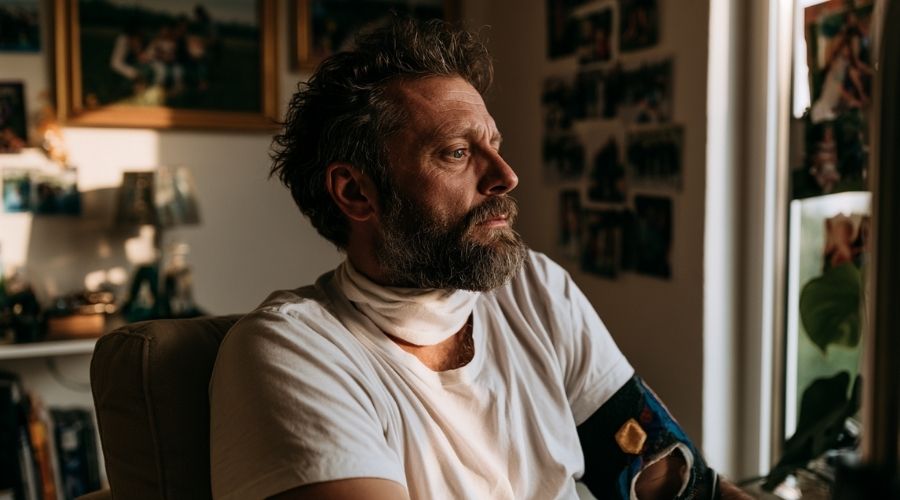
Helmet laws exist largely because bicycle accidents can cause severe injuries.
While helmets primarily protect against head trauma, cyclists remain vulnerable to a variety of injuries during collisions.
Common bicycle accident injuries include:
Lesiones en la cabeza y el cerebro
Estos pueden incluir:
- Conmociones cerebrales
- Fracturas de cráneo
- Lesiones cerebrales traumáticas
- Intracranial bleeding
Facial Injuries
Cyclists may suffer:
- Facial fractures
- Dental injuries
- Laceraciones
- lesiones oculares
Lesiones ortopédicas
These often involve:
- Broken wrists
- Broken arms
- Collarbone fractures
- Leg fractures
- Pelvic injuries
Spinal Injuries
More severe accidents may result in:
- discos herniados
- Lesiones de la médula espinal
- Discapacidades permanentes
Even relatively low-speed accidents can lead to substantial medical treatment and recovery periods.
Can Not Wearing a Helmet Affect a Personal Injury Claim?
One of the most common legal questions cyclists ask after an accident is whether failing to wear a helmet affects their ability to recover compensation.
The answer depends on the circumstances.
If another party caused the accident, the injured cyclist may still have a valid personal injury claim.
However, insurance companies sometimes argue that a cyclist’s injuries could have been reduced had a helmet been worn.
This argument often arises when the injuries involve the following:
- Head trauma
- Lesiones Cerebrales
- Facial injuries
California follows a comparative negligence system.
Under comparative negligence principles, compensation may potentially be reduced if evidence shows that a person’s actions contributed to the severity of their injuries.
Importantly, failing to wear a helmet does not automatically prevent recovery.
The specific facts of the case, the nature of the injuries, and expert medical evidence often play significant roles in determining how these issues are evaluated.
Not wearing a helmet does not automatically make a cyclist responsible for an accident, but it may become a factor when head injuries are involved.
Other Important Bicycle Safety Laws in California
Helmet laws represent only one part of California’s bicycle regulations.
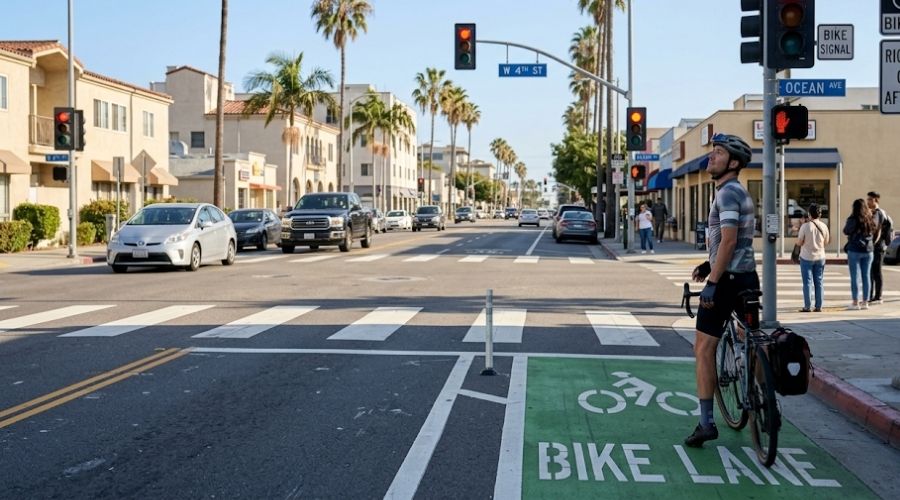
Cyclists generally have the same rights and responsibilities as motorists when operating on public roads.
Important rules include:
Obey Traffic Signals
Cyclists must stop at the following:
- Red lights
- Stop signs
- Other applicable traffic controls
Ride in the Same Direction as Traffic
Bicycles should generally travel in the same direction as surrounding vehicles.
Use Required Lighting at Night
California requires certain lighting and reflector equipment when riding after dark.
Yield When Appropriate
Cyclists must follow right-of-way laws just like motorists.
Avoid Distracted Riding
Using electronic devices while riding can increase accident risks.
Understanding and following these laws helps improve safety and may strengthen a cyclist’s position if an accident occurs.
What to Do After a Bicycle Accident
The actions taken immediately after a collision can affect both health outcomes and potential legal claims.
Entre los pasos importantes se incluyen:
- Llamar a los servicios de emergencia
- Buscando atención médica
- Reportar el accidente
- Taking photographs
- Collecting witness information
- Preserving damaged equipment
- Documenting injuries
- Keeping medical records
Even if injuries initially seem minor, medical evaluation is often advisable because some conditions may not become fully apparent until hours or days later.
Prompt documentation can also help preserve important evidence.
Preguntas frecuentes
Do adults have to wear bicycle helmets in California?
Generally, no. California’s mandatory helmet law primarily applies to riders under the age of 18.
Are children required to wear helmets on bike paths?
Yes. The helmet requirement applies on roads, bike paths, sidewalks, and many public riding areas.
Can parents be cited if a child rides without a helmet?
California law may impose penalties related to violations involving minors who fail to comply with helmet requirements.
Can I still file an injury claim if I was not wearing a helmet?
Possibly. Not wearing a helmet does not automatically prevent compensation, although it may become a factor in certain injury claims.
What type of helmet satisfies California requirements?
A properly fitted bicycle helmet that meets recognized safety standards is generally required.
Protecting Yourself on California Roads
Bicycle helmets remain one of the most effective safety tools available to cyclists. While California law specifically requires helmet use for riders under 18, cyclists of all ages can benefit from the added protection helmets provide during unexpected accidents.
Understanding California’s helmet laws, bicycle safety regulations, and legal rights following a crash can help riders make informed decisions and better protect themselves on the road.
If you have been injured in a bicycle accident caused by a negligent driver, the experienced team at Oracle Injury Attorneys can help evaluate your case and pursue compensation for your injuries and losses. Contacte hoy mismo con los abogados especializados en lesiones de Oracle. to learn more about your legal options and how we can help protect your rights after a bicycle accident.