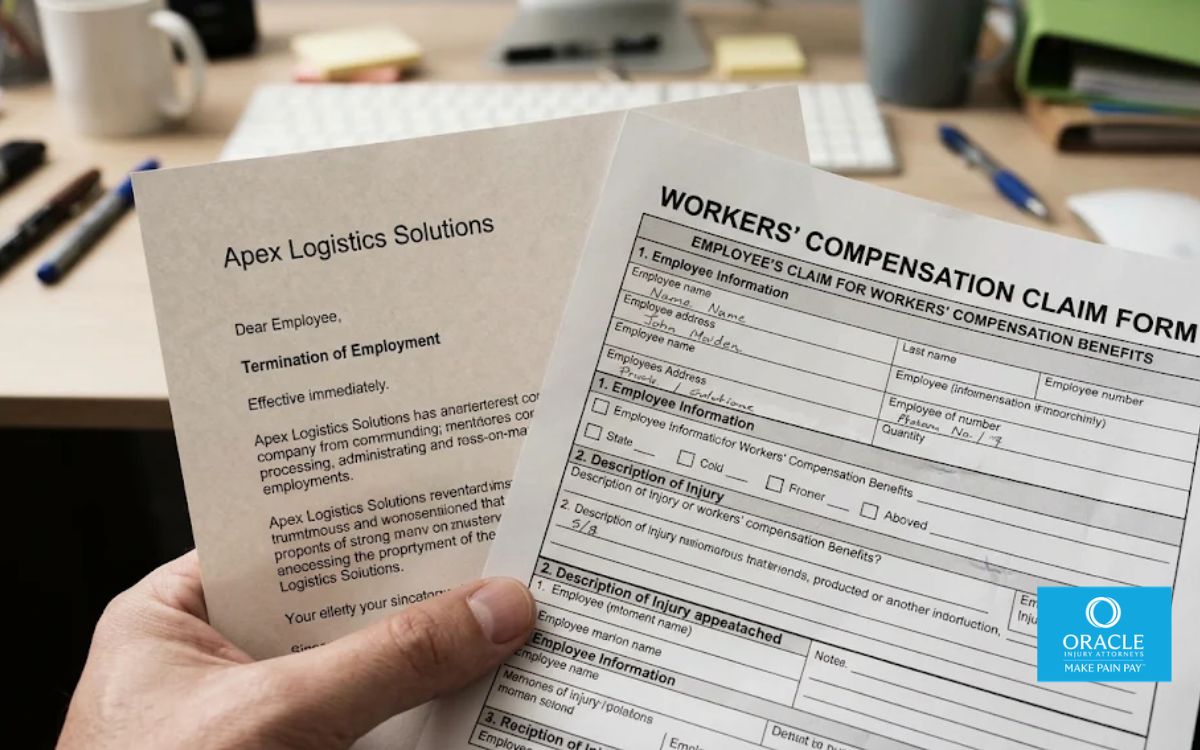
An undocumented workers comp claim in California follows the same process as any other claim, and the law says so directly. Labor Code Section 3351 covers employees whether they are lawfully or unlawfully employed, and Section 1171.5 says immigration status does not limit your rights and remedies.
The hard part is not the law. It is knowing what to do first, and fear gets in the way. This guide gives you seven steps in order, so you can protect your claim and yourself from the first hour.

Undocumented Workers Comp Claim: Your Rights in One Minute
You are covered under Labor Code Section 3351, y Section 1171.5 bars immigration status from limiting your rights. Your claim can include medical treatment, temporary disability payments, and permanent disability when an injury leaves lasting impairment. For the full legal picture, read our guide on Trabajadores indocumentados y derechos por lesiones laborales.
Step 1: Get Medical Care Now
Your health comes first, and the claim can wait a few hours. For an emergency, go to the nearest emergency room and tell the staff the injury happened at work. Early in the claim, your employer or its insurer usually directs your treating doctor, often through a medical provider network. Ask for a copy of every visit summary, because those records are the backbone of your claim.
Step 2: Report the Injury Within 30 Days
Tell your supervisor or employer what happened. California requires notice within 30 days, but do it the same day if you can, and do it in writing: a text message or an email counts as a record. Include the date, where it happened, and which part of your body was hurt. Keep a screenshot. For every deadline in one place, see our post on ¿Cuánto tiempo tienes para reportar una lesión laboral en California?.
Step 3: Get and Complete the DWC-1 Claim Form
The DWC-1 is the form that officially opens your claim. Your employer must give it to you within one working day of learning about your injury. If they do not, download it from the División de Compensación para Trabajadores de California website, complete your section, and hand it to your employer in writing. Always keep a dated copy.
If a field asks for a Social Security number and you do not have a valid one, do not write a number that is not yours. Ask an attorney how to complete that field before you submit the form. After the form is filed, the insurer has 90 days to accept or deny the claim, and it must authorize up to $10,000 in treatment while it investigates.
Step 4: Keep Your Own Records
Start a folder, paper or phone, today. Keep the claim form, every medical record, pay stubs or any proof of what you earned, photos of the injury and the place it happened, and the names of coworkers who saw it. If you are paid in cash, write down your usual days, hours, and pay now, while you remember them. A simple daily note about your pain and what you cannot do at work or at home also helps.

Step 5: Be Careful With the Insurance Adjuster
The insurer will call. Give your name and the basic facts, and nothing more until you have talked with a lawyer. Do not give a recorded statement, do not guess about how the injury happened, and do not sign papers you do not understand, in any language. Our guide on Cómo hablar con un perito de seguros después de un accidente has word-for-word answers that apply here too.
Step 6: If Your Employer Threatens You, Write It Down
Some employers use immigration fear to stop claims. California law treats this as retaliation. Labor Code Section 244 covers reporting or threatening to report a worker’s immigration status because the worker exercised a protected right, Section 1019 addresses immigration-based retaliation, and Section 132a bars retaliation for filing a workers’ comp claim.
If it happens, write down the date, the exact words, who was there, and keep any messages. Do not argue with the employer. Call an attorney the same day. If you are offered cash to skip the claim, know that taking it does not undo your rights, and a serious injury often costs far more than the offer. If your employer has no insurance at all, the claim is not over: see our post on ¿Qué hacer si su empleador no tiene seguro de compensación laboral?.
Step 7: Talk to an Attorney Before the Big Decisions
You can start a claim alone, but call a lawyer before three moments: a medical evaluator appointment, a settlement offer, and any denial. A medical evaluation can set your permanent disability rating, and our post on Qué es un QME y por qué es importante para su reclamación. explains why preparation matters. Workers’ comp lawyers are paid from the benefits recovered, so there is no upfront cost. See Qué esperar de un abogado de compensación laboral en el condado de Orange..
Deadlines at a Glance
Tell your employer within 30 days. Your employer must give you the DWC-1 within one working day. You generally have one year from the injury to file. The insurer has 90 days to accept or deny. A lawyer can tell you whether a longer deadline applies to your case, for example when the injury developed gradually. For what your benefits include, see Qué beneficios le corresponden después de una lesión laboral.

Preguntas frecuentes
Can an undocumented worker file a workers’ comp claim in California?
How soon do I have to report a work injury in California?
Can my employer threaten to report me to immigration for filing a claim?
What if my employer refuses to give me the claim form?
What if my employer has no workers’ comp insurance?
Hurt at Work and Unsure Where to Start? Make One Call
You do not have to figure this out alone. Oracle Law Firm | Accident & Injury Attorneys helps injured workers throughout Southern California file and protect their claims, with a free, confidential consultation, no upfront fees, and no obligation.
Contacta hoy mismo con nuestro equipo. before any deadline passes.