
Injured on the job in Santa Ana? Your employer’s insurance company controls your medical care through a Medical Provider Network (MPN), and that system doesn’t always deliver adequate treatment. This guide explains how MPNs work, how to request a second opinion, when a Qualified Medical Evaluator (QME) gets involved, and how to dispute a denied treatment request. A Santa Ana lawyer for workplace injuries can push back when the system stalls your recovery.
De California compensación laboral medical system runs on one blunt rule: your employer picks the doctor, not you. That rule lives inside the Medical Provider Network, or MPN, the roster of physicians an employer’s insurance company controls from your very first appointment forward. Ask any workplace injury lawyer in Santa Ana and you’ll hear the same complaint on repeat: legitimate injuries met with rushed exams, minimized symptoms, and treatment plans built to get someone back on the job before they’re actually ready.
If you’re hurt and stuck inside that system, you are not powerless. California law gives injured workers the right to request second opinions, escalate disputes to a neutral evaluator, and formally challenge a denial of treatment. Most workers never learn these rights exist. Fewer still learn how to use them before an adjuster quietly delays their claim.
How the Medical Provider Network Controls Your Care in Santa Ana
A Medical Provider Network is a list of doctors, approved by California’s Division of Workers’ Compensation, that your employer’s insurance carrier uses to treat workplace injuries. Once you report an injury, you’re generally required to see a doctor from that list, at least for the first stretch of treatment. You don’t get to walk into any clinic you trust and expect the bill to be covered.
Santa Ana runs on manufacturing, logistics, and service work: warehouse crews moving freight near the 5 and 55 freeway interchange, machine operators in the industrial parks off MacArthur Boulevard, and hotel and restaurant staff keeping the downtown corridor running. These are physical jobs. When someone gets hurt lifting a pallet or slipping on a wet loading dock, the MPN doctor assigned to the case is often selected for cost control, not bedside manner. The insurance company pays that doctor’s bills, and that relationship shapes incentives, whether or not any single physician intends it to.
Why the Network Falls Short for Injured Workers
Employer-selected doctors sometimes clear workers to return before they’re ready, order the cheapest treatment instead of the most effective one, or write off lingering pain as unrelated to the job. None of that means every MPN doctor acts in bad faith. It means the structure itself doesn’t guarantee that what the insurance company wants matches what the patient’s body actually needs.
Workers describe five-minute appointments, physical therapy referrals that never materialize, and requests for MRIs or specialist consults that quietly stall. A worker with a torn rotator cuff from repetitive assembly line work might get anti-inflammatories and a note to return in six weeks, when an orthopedic referral was overdue from the start. A worker with a repetitive lower back strain from loading and unloading trucks might get told to “give it time” long past the point a real diagnostic workup should have happened. When treatment feels inadequate, that feeling is usually accurate, and California built in ways to push back through our compensación laboral system, since disputes over treatment adequacy come up in nearly every serious injury claim we handle.
Requesting a Second Opinion Inside the MPN
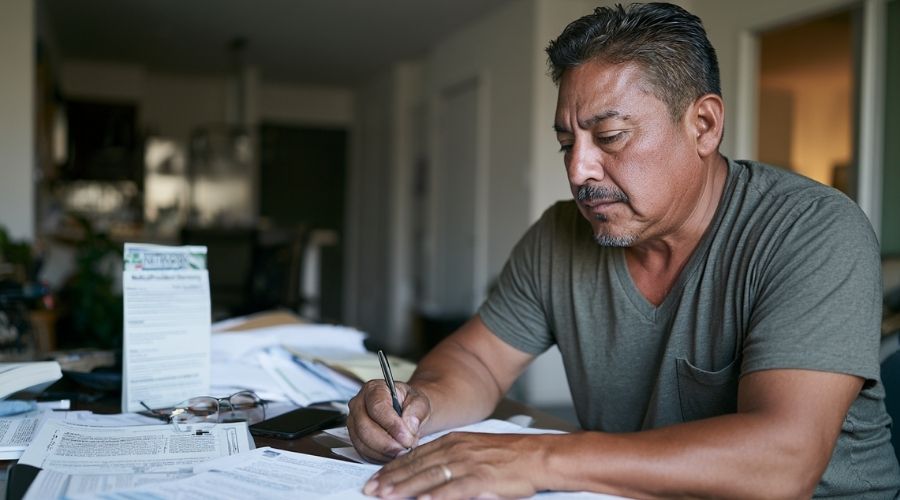
If your assigned MPN doctor isn’t delivering the care you need, you can request a second opinion from a different physician on the same network roster and a third opinion if that doesn’t resolve things, under rules Nolo’s legal encyclopedia explains in detail. You don’t need your employer’s permission to make this request. You write to the claims administrator, state that you disagree with the diagnosis or treatment plan, and pick a different name from the MPN directory you should have received when your claim opened.
Most injured workers in Santa Ana never actually see that directory, or they see it once and lose it in a stack of paperwork mailed weeks after the injury. That gap is often the first breakdown point, not the medical system itself. Once a written request goes in, the claims administrator has a limited window to schedule the new appointment, and if the network can’t produce an appropriate specialist within a reasonable distance, that can open the door to treatment outside the MPN entirely.
When a Qualified Medical Evaluator Steps In
A Qualified Medical Evaluator, or QME, is a state-certified, independent physician who resolves disputes that second and third opinions couldn’t settle, as described by the Division of Workers’ Compensation’s own QME program. If you’re not represented by an attorney, the claims administrator is required to send you a form to request a QME panel, and you generally have ten business days to submit it to the DWC Medical Unit.
The QME doesn’t work for your employer’s insurance company and doesn’t work for you either. That independence is the entire point. Once assigned, usually through a randomly generated panel where each side can strike one name off the list, the QME examines the injury, reviews the medical record, and issues a report on causation, necessary treatment, and disability that is important if a case goes before a workers’ compensation judge. Represented workers move through a somewhat different panel process, and an experienced attorney can often steer a case toward evaluators with the right specialty for the injury involved.
Disputing a Denied or Delayed Treatment Request
When a treating doctor requests a specific treatment, the claims administrator runs it through utilization review, a process where a separate medical reviewer decides whether to approve, delay, or deny it, under standards laid out in California Labor Code section 4610.5. Only a licensed reviewer can modify or deny a treatment request, never a claims adjuster working off a spreadsheet. Even so, utilization review denials happen constantly, and plenty of them trace back to paperwork gaps rather than actual medical disagreement.
If utilization review denies or modifies a treatment request, the next step is independent medical review, or IMR, a state-run appeal handled through the DWC. You have 30 days from the date of the denial letter to file the appeal, and the reviewer decides the case entirely on the written record, without ever examining the worker in person. That last detail makes documentation the key. A complete IMR file typically needs:
- The utilization review denial letter itself, with its stated reason for the denial
- The treating physician’s original Request for Authorization (RFA)
- Current medical records and imaging tied directly to the disputed treatment
- Any specialist or QME reports supporting medical necessity
Missing even one of those documents can sink an appeal that should have won on the medical facts alone.
The insurance company picks the first doctor. Nobody said you have to accept the final decision.
What Changes When a Workplace Injury Lawyer in Santa Ana Gets Involved
Representation shifts the leverage in ways that are particularly difficult to replicate alone. A lawyer tracks every deadline, from the ten-day QME panel window to the 30-day IMR filing clock, so a missed date doesn’t quietly end a legitimate treatment dispute. That alone resolves a large share of the cases where injured workers simply run out of time before they run out of options.
A lawyer familiar with the Orange County workers’ compensation system also knows which MPN specialists in the Santa Ana area actually deliver thorough evaluations versus which ones rubber-stamp minimal treatment. That local knowledge shortens the path to an accurate diagnosis. If a dispute needs to escalate toward a workers’ compensation judge, Santa Ana claims typically route through the local Workers’ Compensation Appeals Board venue, not far from the Central Justice Center that anchors the city’s civic core, and representation that knows that terrain changes how seriously an insurance company treats a claim from day one.
Some workplace injuries also involve a separate lesiones personales claim entirely, such as when defective equipment or a third-party delivery driver caused the harm, a scenario that comes up often given how much freight moves through Santa Ana’s logistics corridors. Untangling overlapping claims is easier with a firm that handles both work injury and personal injury cases under one roof. Across Santa Ana and the rest of Orange County, the pattern holds: workers who get help early get better care, faster, and keep more control over decisions insurance companies would rather make for them.

Getting the Care You’ve Earned
The workers’ compensation medical system was built around one basic reality: your employer’s insurance company picks the doctor first. That doesn’t mean their choice gets the last word on your recovery. Second opinions, the QME process, and independent medical review all exist because lawmakers recognized the MPN system doesn’t always get it right, and Santa Ana workers who understand these tools stop treatment disputes from becoming permanent damage to their health and their claim.
This article is for general informational purposes only and does not constitute legal advice. Every workers’ compensation claim depends on its own facts, and outcomes vary from case to case. Contact Oracle Law Firm for guidance specific to your situation.
Been in an accident or hurt on the job? You don’t have to navigate insurance companies alone. Oracle Law Firm fights to get you the compensation, control, and clarity you deserve.
Obtén una consulta gratuita o llame al 888.597.4099.
Preguntas frecuentes
Can I choose my own doctor for a workplace injury in Santa Ana?
In most cases, not right away. If your employer has an active Medical Provider Network, you’ll generally need to start treatment with a doctor from that network’s roster. You do have the right to request a second opinion from another MPN physician if you disagree with the diagnosis or treatment plan, and in some situations you can eventually treat outside the network.
What is a Medical Provider Network (MPN) in California workers’ comp?
An MPN is a state-approved group of doctors that an employer’s insurance carrier uses to treat workplace injuries. It was created under California law to give employers and insurers more control over treatment costs and consistency. Injured workers are generally required to use MPN doctors for most of their treatment unless a formal exception applies.
How do I request a second opinion from an MPN?
You submit a written request to the claims administrator stating that you disagree with your treating doctor’s diagnosis or recommended treatment, then select a different physician from the MPN directory. You can request both a second and third opinion if needed. If those opinions still don’t resolve the dispute, the case can move toward a QME evaluation.
What happens if utilization review denies my treatment request?
You can appeal through independent medical review (IMR), a state-run process handled by California’s Division of Workers’ Compensation. You generally have 30 days from the date of the denial letter to file the appeal, and the reviewer decides the case based on the written medical record. Complete documentation, including the denial letter and supporting medical records, makes a meaningful difference in these appeals.
Do I need a lawyer to dispute inadequate workers’ comp treatment in Santa Ana?
You’re not legally required to have a lawyer to request a second opinion, a QME evaluation, or an independent medical review. Many workers try to handle it on their own and miss deadlines or submit incomplete paperwork. A workplace injury lawyer in Santa Ana can track those deadlines, push back on inadequate treatment decisions, and handle communication with the insurance company so you can focus on recovery.