A large number of injury claims are caused by rear-end collisions every year in the state of California; however, accident victims often tend to underestimate the complexity associated with these claims. Although the rear driver is typically considered to be at fault, insurance companies have been known to contest liability for claims based on observations related to stopping patterns, vehicle maintenance, and the actions of the involved parties prior to the accident.
Seeking an appropriate rear-end accident attorney in California could aid victims in dealing with such issues, in addition to securing them the appropriate compensation. From applying California’s comparative negligence laws to addressing insurance tactics designed to minimize payouts, understanding the legal framework behind rear-end accidents is essential when injuries, medical expenses, or lost income are involved.
How Liability Is Determined and What Injured Drivers Should Know
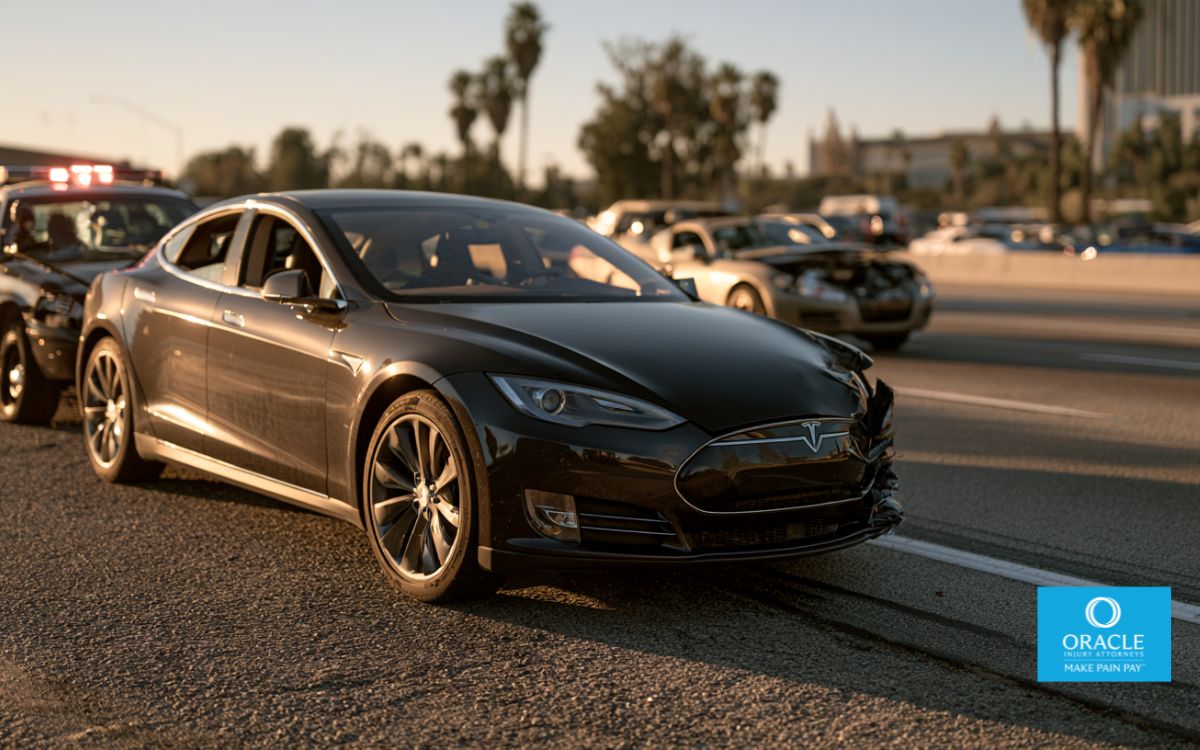
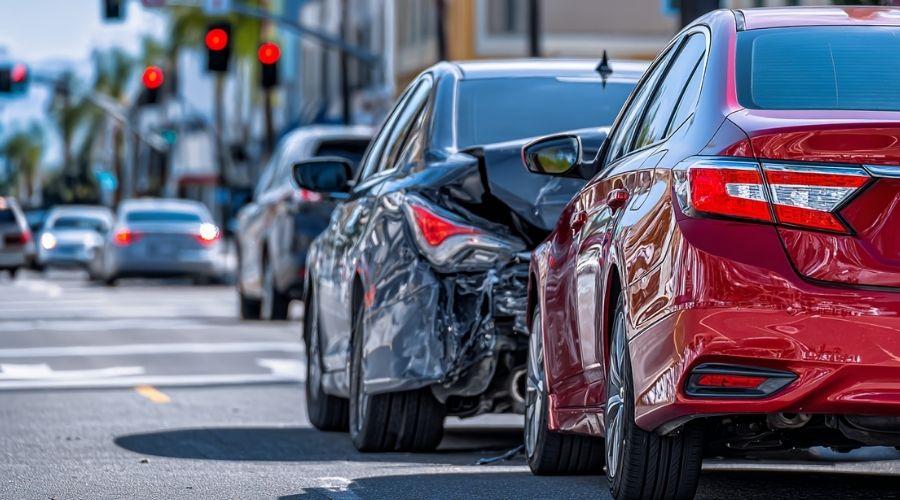
Rear-end collisions are some of the most frequent types of car accidents in California. This type of accident can occur when a driver hits the vehicle in front of them in traffic, at an intersection, or when they make a sudden stop. Even though many rear-end collisions involve only property damage, they can also result in serious injuries such as whiplash, spinal cord damage, and head trauma.
Determining who is liable in a rear-end collision under California law is a very important part of a rear-end collision victim seeking justice. Fault may be straightforward, but sometimes it may become complicated based on circumstances.
The General Rule: The Rear Driver Is Usually at Fault
Under the laws in the state of California, the party presumed to be at fault in most cases in a rear-end collision is the one who struck the vehicle in front of them from behind. Drivers are required to maintain a safe following distance and operate their vehicles at a speed that allows them to stop safely under current traffic conditions.
A failure by a driver to brake in time and rear-end a vehicle in front may be considered negligence. Insurance companies typically start their investigations with this presumption in mind.
However, this presumption is not absolute. Certain situations may shift or share liability between drivers.
When the Lead Driver May Share Fault
There are circumstances where the front driver may be partially or fully responsible for a rear-end accident. Examples include:
- Sudden or unsafe stops without a legitimate reason
- Malfunctioning brake lights that fail to warn trailing drivers
- Reversing unexpectedly into another vehicle
- Cutting off another driver and stopping abruptly
In these situations, the lead driver’s actions may contribute to the collision, reducing or eliminating the rear driver’s liability.
Multi-Vehicle Rear-End Collisions
Rear-end accidents often involve more than two vehicles, especially in heavy traffic or on freeways. In chain-reaction crashes, fault may be shared among multiple drivers.
For example, if a driver is struck from behind and pushed into the vehicle ahead, the middle driver may not be at fault. Instead, liability may rest with the driver who initiated the collision.
Determining fault in multi-vehicle rear-end accidents often requires accident reconstruction, vehicle damage analysis, and careful review of witness statements.
How California’s Comparative Negligence Law Applies
California practices pure comparative negligence. In this context, a plaintiff can still obtain damages despite being a proximate cause of the accident.
However, compensation is reduced by the percentage of fault assigned. For example, if a driver is found 20 percent responsible for a rear-end collision, their recoverable damages would be reduced by that amount.
Many insurance firms employ comparative negligence to lower compensation amounts, making the assessment of liability critical to rear-end collision victims.
Evidence Used to Determine Fault
In rear-end collisions, liability is determined on the basis of evidence. Evidence that is required in such cases may include:
- Police reports
- Photographs of vehicle damage
- Traffic camera or dashcam footage
- Witness statements
- Vehicle data and skid marks
Medical records also play a key role by linking injuries directly to the collision.
Common Injuries in Rear-End Accidents
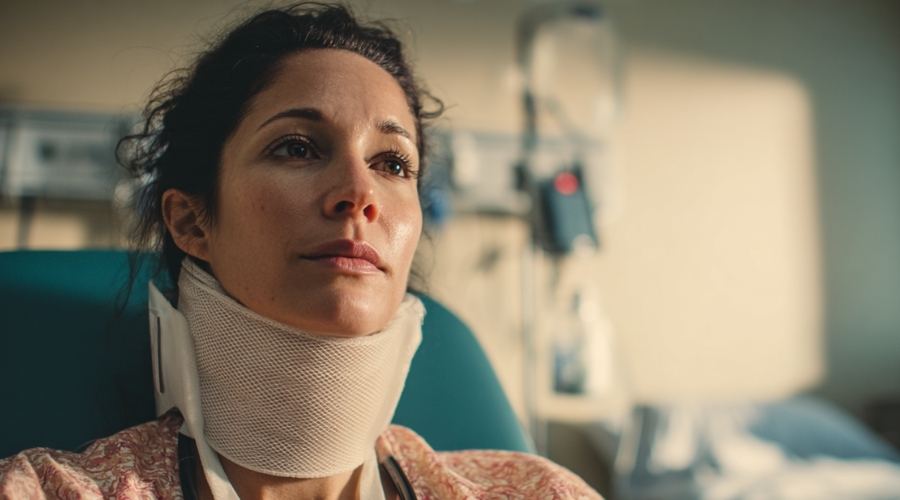
Even at slower speeds, rear-end collisions can lead to severe injuries. Sudden movements of the head and body forward or backward can result in:
- Whiplash and soft tissue injuries
- Neck and back injuries
- Herniated discs
- Traumatic brain injuries
Symptoms may not appear immediately, which is why prompt medical evaluation is important after any rear-end collision.
Why Insurance Disputes Are Common in Rear-End Cases
Because rear-end accidents are common, insurance companies often treat them as routine claims. This can result in undervaluation of injuries, especially when damage appears minor.
Adjusters may argue that injuries are pre-existing or unrelated to the crash, particularly in soft tissue injury cases. Strong medical documentation and early legal guidance can help protect injured victims from unfair claim denials.
Speak With a Rear-End Accident Lawyer in California Today
Being a victim in a rear-end collision in California can be very challenging, understanding how fault is determined is essential to protecting your claim. Contact Oracle Law Firm | Accident & Injury Attorneys for a confidential consultation to discuss your case and learn how we can help pursue fair compensation under California law.
Contact us for a free consultation, or get answers to your questions.
Frequently Asked Questions
Is the rear driver always at fault in California?
No. While the rear driver is usually presumed at fault, liability can shift depending on the actions of the lead driver.
What if the front driver stopped suddenly?
Sudden stops without a valid reason may place partial or full fault on the lead driver.
Can I recover compensation if I was partially at fault?
Yes. California’s comparative negligence law allows recovery even if you share responsibility.
Should I speak with an attorney after a rear-end accident?
Consulting an attorney can help protect your rights, especially if injuries are involved or fault is disputed.
What if the other driver claims I stopped too suddenly?
Insurance companies often argue that sudden stops shift fault to the lead driver. However, liability depends on whether the stop was reasonable under traffic conditions. Evidence such as traffic patterns, witness statements, dashcam footage, and police reports is used to determine whether the stop was justified or negligent under California law.