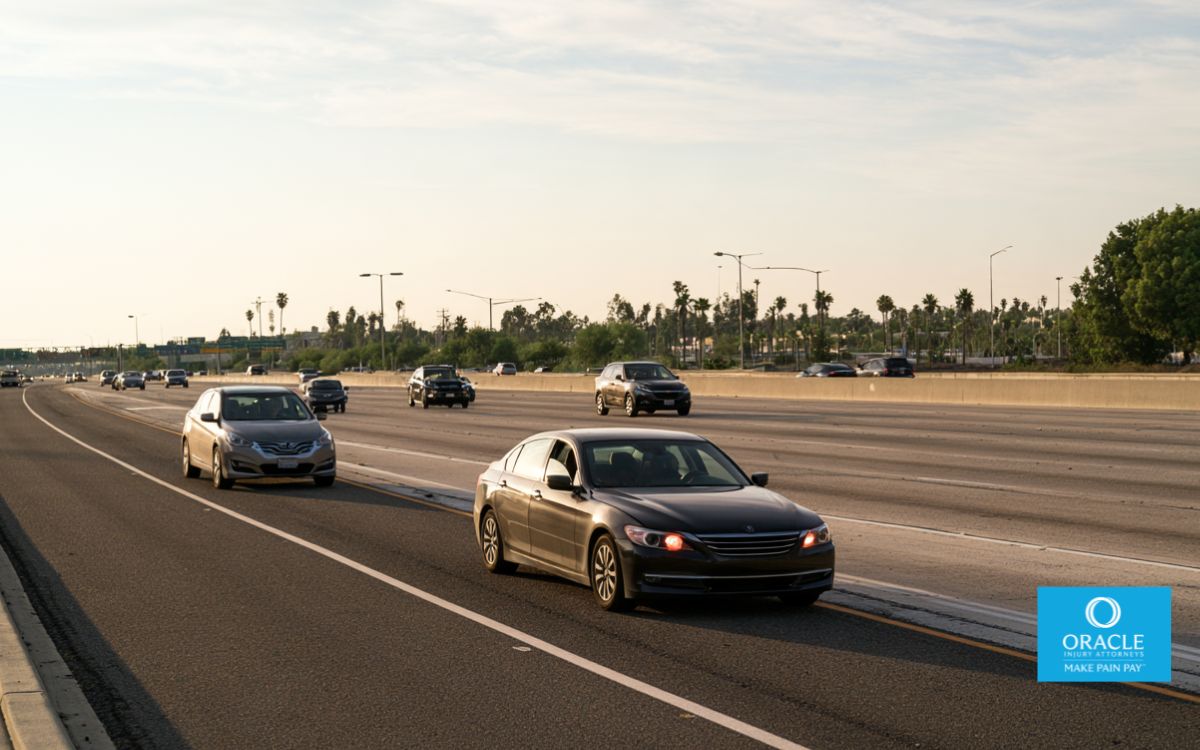
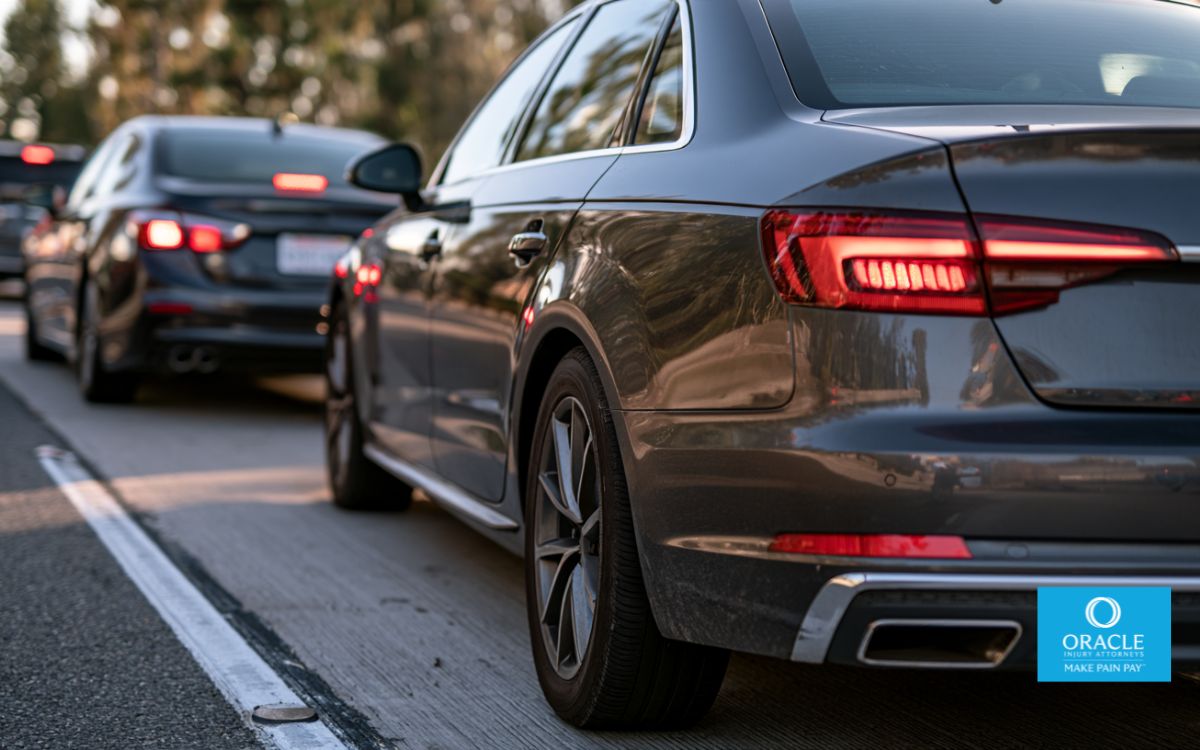
Driving safely on California roads requires understanding the three-second rule. This simple yet crucial concept helps drivers maintain a safe following distance, reducing the risk of rear-end collisions and promoting smoother traffic flow. The three-second rule means staying at least three seconds behind the vehicle in front of you to allow enough time to react to sudden stops or changes in traffic. Below, you’ll learn what the three-second rule is, why it’s essential under California law, and how to adjust it for different driving conditions to keep yourself and others safe on the road.

What is the Three-Second Rule in Driving?
The three-second rule is a practical guideline for keeping a safe distance from the vehicle ahead. To apply it:
- Choose a fixed point on the road, such as a sign or tree.
- When the car in front passes that point, start counting: “one thousand one, one thousand two, one thousand three.”
- If you reach the point before you finish counting to three, you are following too closely and need to increase your distance.
This method measures following distance in time rather than feet, accounting for different driving speeds and allowing sufficient reaction time to sudden changes in traffic.
Why is the Three-Second Rule Important in California?
California’s roads are known for heavy traffic, diverse driving styles, and high accident rates. The three-second rule aligns with California Vehicle Code § 21703 VC, which requires drivers to maintain a “reasonable and prudent” distance to avoid collisions. Following this rule reduces the risk of rear-end accidents and demonstrates safe, defensive driving practices. For more detailed guidance, you can visit the California DMV’s official page on safe following distances.

Adjusting the Three-Second Rule for Different Driving Conditions
1. Heavy Traffic and Urban Driving
In busy areas like Los Angeles or San Francisco, where sudden stops are common, maintaining at least a three-second gap gives you enough time to react safely. Consistent practice of this rule helps prevent rear-end collisions, especially during peak traffic hours. If an accident does occur due to tailgating, it is crucial to understand how car accident settlements are calculated in California to ensure fair compensation.
2. Weather Conditions
Adverse weather conditions require adjustments to the three-second rule:
- Rain or Fog: Increase following distance to four or five seconds due to reduced visibility and longer stopping distances.
- Slippery Roads: Extend your gap to ensure safe braking without skidding.
3. High Speeds and Freeway Driving
At higher speeds, such as on California freeways:
- Extend your following distance beyond three seconds to allow more reaction time.
- Remember that the faster you drive, the longer it takes to stop.
Drivers of larger vehicles or those towing trailers should leave even more space to account for increased stopping distances. If you’re involved in a collision at freeway speeds, knowing the typical payouts for rear-end collision injuries can help you plan your legal and financial next steps.
4. Night Driving
Reduced visibility at night necessitates adding an extra second to your following distance. Ensuring you can stop within the distance illuminated by your headlights is crucial for nighttime safety. Use high beams responsibly on open roads but switch to low beams in rain or when approaching other vehicles to avoid blinding other drivers.
Legal Consequences of Tailgating in California
Tailgating is considered a serious traffic violation under California law. Penalties can include:
- Fines and court fees
- Points added to your driving record, potentially raising insurance premiums
- Liability in rear-end accidents, leading to financial responsibility for damages and injuries
In minor tailgating incidents, it’s also important to understand minor car accident settlement amounts in California to protect your rights after a fender-bender or low-speed collision.
Maintaining a safe following distance helps avoid these legal issues while promoting safer roads for everyone.

Benefits of Practicing the Three-Second Rule
- Enhanced Road Safety: Reduces the likelihood of accidents by providing adequate reaction time.
- Improved Traffic Flow: Prevents abrupt stops, minimizing traffic congestion.
- Reduced Stress: Lessens the anxiety of tailgating or being tailgated, promoting calmer driving.
- Legal Compliance: Helps you avoid citations and liability under California law.
Practical Tips for Applying the Three-Second Rule
- Stay Alert: Always be aware of traffic changes ahead.
- Minimize Distractions: Avoid phone use, eating, or multitasking while driving.
- Be Patient: Allow space for merging vehicles and avoid reacting aggressively to tailgaters. If you’re a passenger involved in a rear-end accident caused by tailgating, it’s important to know what to do if you’re a passenger in a car accident.
How Oracle Law Firm Can Help
If you’ve been involved in a tailgating accident, Oracle Law Firm | Accident & Injury Attorneys is here to support you. Our experienced team specializes in traffic-related personal injury cases, helping clients navigate complex legal processes to secure fair compensation. Wondering do personal injury lawyers charge upfront fees? At Oracle Law Firm, we work on a contingency basis, meaning you pay nothing unless we win your case. We are committed to protecting your rights and ensuring you receive the assistance you need after an accident caused by unsafe following distances.
Contact us for a free consultation, or get answers to your questions.
Frequently Asked Questions
What does the three-second rule mean in driving?
The three-second rule recommends staying at least three seconds behind the car ahead to maintain a safe stopping distance and avoid rear-end collisions.
Is the three-second rule a law in California?
While not a formal law, it aligns with California Vehicle Code § 21703 VC, which requires drivers to maintain a safe and reasonable distance to prevent accidents.
Should I increase the three-second rule in bad weather?
Yes. In rain, fog, or slippery conditions, extend it to four or five seconds for safer stopping distances.
What happens if I tailgate in California?
Tailgating can result in fines, points on your driving record, increased insurance premiums, and legal liability if you cause a rear-end collision.
How can Oracle Law Firm assist in a tailgating accident case?
Oracle Law Firm provides expert legal representation for victims of tailgating accidents, helping them secure compensation for injuries, damages, and related losses.