Nobody gets on a bicycle thinking today is going to be the day everything changes. You might be heading to work through Corona, taking a weekend ride along the Santa Ana River, or just running errands through Valle Moreno. And then, in a matter of seconds, a distracted driver makes a bad decision and your life gets turned upside down.
If that sounds familiar, you’re not alone — and you’re not without options. Bicycle accidents in Riverside County happen more often than most people realize, and the injuries that come with them are rarely minor. If you were hurt because someone else wasn’t paying attention, you have every right to pursue compensation for what you’ve been through. This guide walks you through how that process works and what to expect along the way.
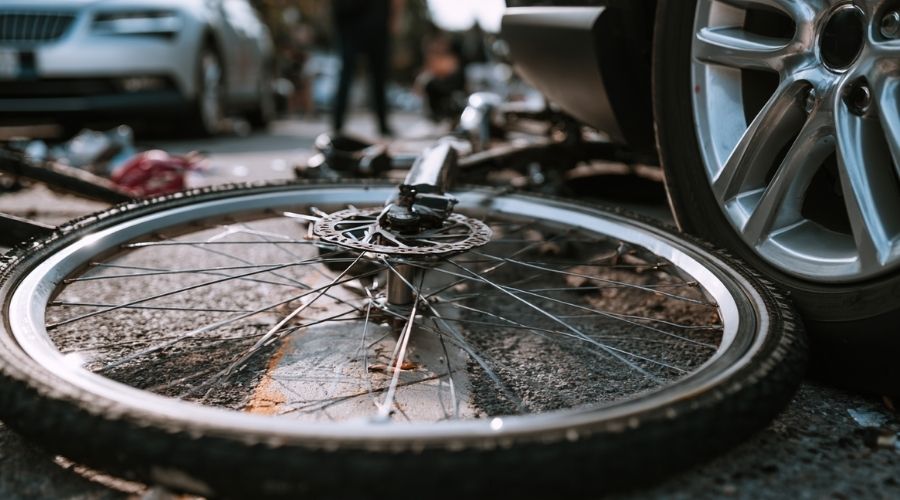
Why Bicycle Accidents in Riverside County Are So Serious
There’s a reason cyclists dread sharing the road with inattentive drivers: there’s almost nothing protecting you when a collision happens. No steel frame, no airbags, nothing between you and the pavement or the vehicle that just hit you. Even at relatively low speeds, the impact can be enough to cause broken bones, a traumatic brain injury, spinal damage, or deep lacerations that take months to heal.
In Riverside County, stretches like Van Buren Boulevard, Tyler Street, and Magnolia Avenue see heavy bicycle traffic, and they also see more than their fair share of accidents. Some of those crashes happen because a driver ran a red light or failed to yield. Others happen because someone swung a car door open without looking, or because a stretch of road was left in terrible condition — uneven pavement, missing signage, bike lane markings that had faded into nothing.
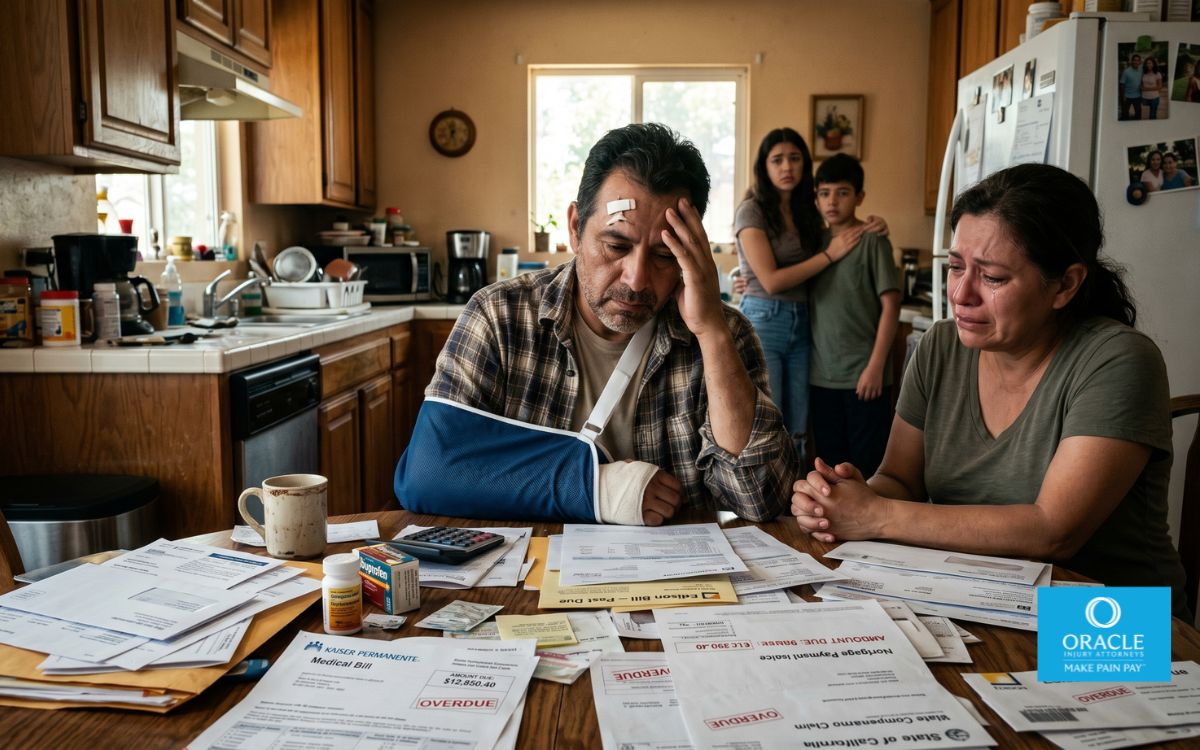
What makes these situations especially difficult is the aftermath. You’re dealing with pain, medical appointments, time away from work, and a stack of bills that keeps growing. All of that while you’re supposed to be recovering. It’s a lot. And it’s exactly why understanding your legal rights matters so much right now.
Who Is Actually Responsible for Your Injuries
One of the first questions people ask after a bicycle accident is “who’s at fault?” and the honest answer is that it depends on the specifics — and there’s often more than one party involved.
Most of the time, the driver of the vehicle that hit you carries the primary responsibility. California law holds drivers to a duty of care toward everyone on the road, and when a driver speeds, blows through a stop sign, texts behind the wheel, or makes a reckless turn, they’ve violated that duty. If their negligence caused your accident, they can be held liable for your injuries and everything that comes with them.
That said, fault doesn’t always stop with the driver. If your accident was made worse by a dangerous road condition — a pothole the county knew about and ignored, a bike lane that was never properly maintained, or a poorly designed intersection — a government entity may share responsibility. These claims come with stricter rules and shorter deadlines under California law, so if you think road conditions played a role, time is genuinely of the essence.
And in some cases, the bicycle itself is part of the problem. A brake that failed, a frame that shouldn’t have buckled, a helmet that didn’t hold up the way it was supposed to — if a defective product contributed to your injuries, the manufacturer can be brought into the picture too.
What If You Were Partly at Fault Too
This is a question a lot of people are afraid to ask, but it’s worth addressing directly: even if you made a mistake that contributed to the accident, you can still recover compensation in California.
The state follows what’s called pure comparative fault. That means your total damages get reduced by your percentage of fault, but you’re not cut off from recovering anything. If you were found to be 25% responsible and your damages totaled $80,000, you’d still be entitled to $60,000.
The reason this matters is because insurance adjusters know exactly how to use this rule against you. They’ll suggest you were riding too fast, that you ran a stop sign, that you weren’t visible enough — anything to inflate your share of the blame and reduce what they have to pay out. Having an attorney who knows how to push back on those arguments with real evidence makes a real difference in the outcome.
One more thing worth knowing: California doesn’t require adult cyclists to wear helmets. If you weren’t wearing one, the defense may try to make an issue of it — but the absence of a helmet doesn’t automatically reduce your recovery. It’s a nuance, and it’s one your attorney will be prepared to address.

What You Can Actually Recover
People are often surprised by how far compensation in a bicycle accident claim can reach. It’s not just about covering the ER visit, though that’s obviously part of it.
On the economic side, you can recover for all of your medical expenses — not just what you’ve already paid, but what future treatment is going to cost you. Lost wages while you were out of work. Loss of future earning capacity if your injuries have affected your ability to do your job the way you used to. The cost of replacing your bicycle and any other gear that was damaged. Transportation costs to medical appointments. Home care if you needed it during recovery.
Then there’s everything that doesn’t come with a price tag but is just as real. The pain you’ve lived with. The anxiety of getting back on a bike or even crossing a street. The activities you used to love that you can’t do the same way anymore. The strain the accident has put on your relationships. These non-economic damages are harder to quantify, but they’re absolutely recoverable, and they often make up a significant portion of a final settlement or verdict.
What to Do Right After the Accident
The decisions you make in the first few hours after a bicycle accident can shape everything that comes later. Here’s the straightforward version of what matters most.
Get medical attention, even if you feel okay. This is probably the most important thing on the list. Head injuries, internal injuries, and soft tissue damage don’t always announce themselves right away. Getting checked out creates a medical record that ties your injuries to the accident — and that record is critical evidence in any claim.
If you’re able to, document everything at the scene. Photos of the road, the vehicle, your bicycle, any visible injuries, skid marks, nearby signage — all of it. Get the driver’s information and collect names and contact info from anyone who witnessed what happened.
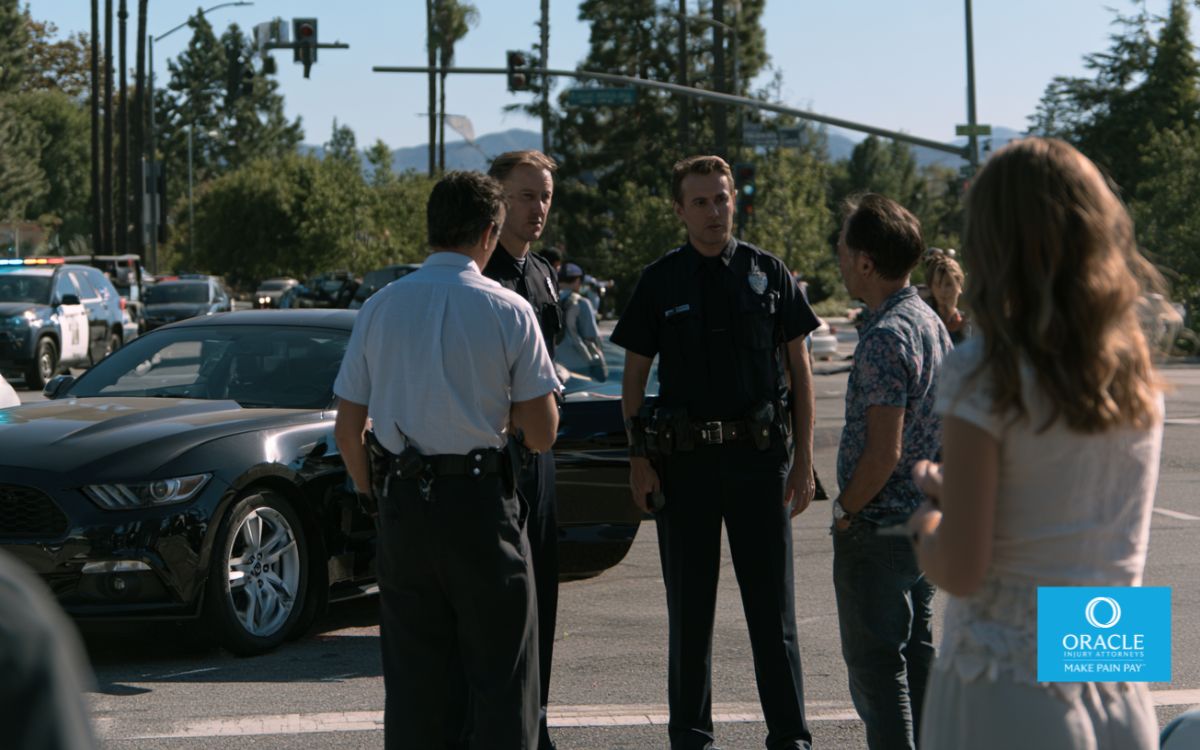
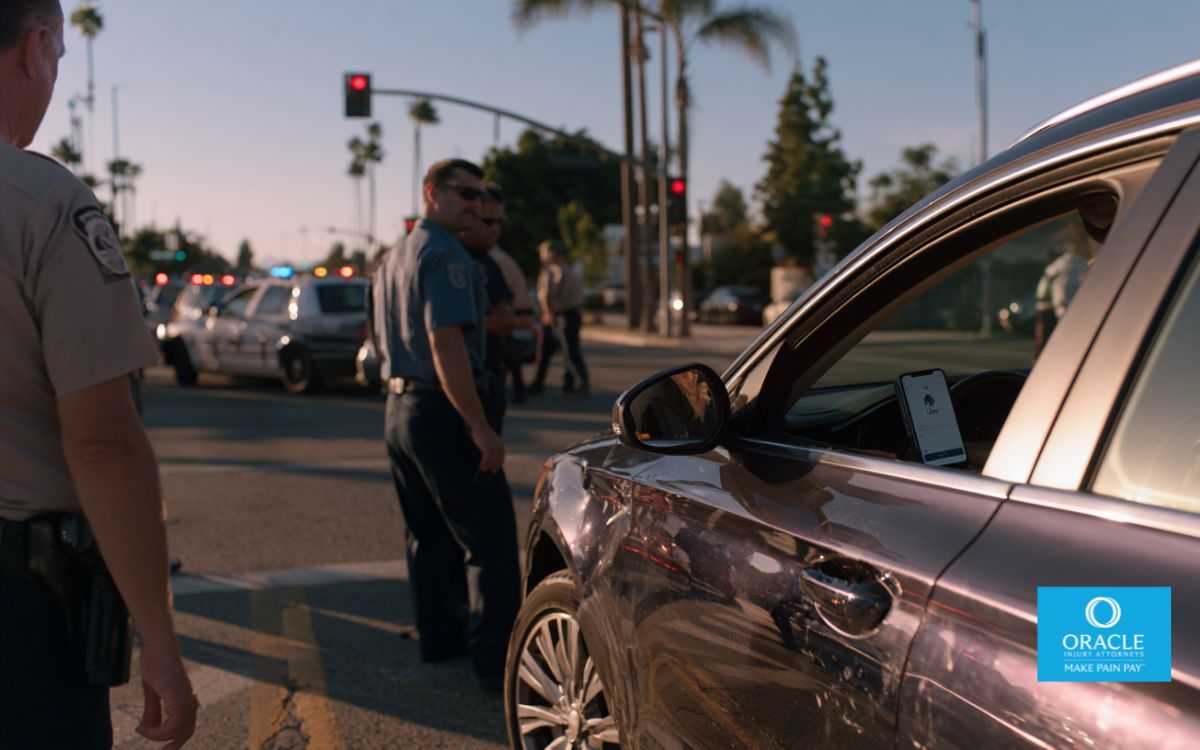
Make sure law enforcement is called and a police report is filed. That report often becomes one of the foundational documents in your case.
And when the other driver’s insurance company reaches out — and they will — don’t speak with them before you’ve talked to an attorney. They may seem helpful or sympathetic, but they’re looking for ways to limit what they pay you. Even a casual, well-meaning comment can be used to undercut your claim. One phone call to an attorney first can protect everything that follows.
The Clock Is Already Running — Here’s What You Need to Know
California gives you two years from the date of your accident to file a personal injury lawsuit. Two years sounds like a lot, but cases take time to build properly, and evidence doesn’t stay fresh forever.
More importantly, if any part of your claim involves a government entity — the county, a city, a public agency — you typically have only six months to file a formal government tort claim. Miss that window and the claim is gone, regardless of how clear-cut the liability might be.
The earlier you get an attorney involved, the better. Not because of some sales pitch, but because a good legal team needs time to do things right: investigate while the scene is still relevant, track down witnesses before memories fade, preserve surveillance footage before it gets deleted, and build the kind of case that actually holds up.

Cómo puede ayudar Oracle Law Firm
At Oracle Law Firm, we’ve worked with injured cyclists across Riverside County and the Inland Empire, and we understand that every one of these cases involves a real person going through something genuinely hard. You shouldn’t have to fight an insurance company while you’re trying to heal.
Our team handles everything — the investigation, the negotiations, the legal filings — so you can focus on getting better. We work on a contingency fee basis, which means you don’t pay us anything unless we win. No upfront costs, no hourly fees, no risk to you for making that first call.
If you or someone close to you was hurt in a bicycle accident in Riverside County, reach out to us today. Your consultation is free, and the sooner we can talk, the more we can do to help you.
Contact Oracle Law Firm for a consulta gratis — we’re here when you need us.