Understanding California pedestrian laws, common accident risks, and how right-of-way rules affect liability after a crash.
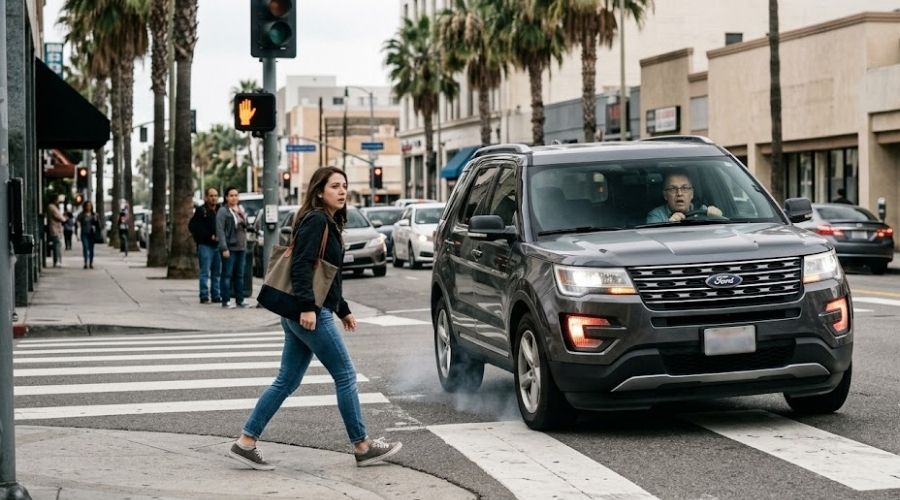
Walking should be one of the safest ways to travel, whether crossing a neighborhood street, walking through a parking lot, or using a marked crosswalk. Unfortunately, pedestrian accidents continue to cause serious injuries and fatalities throughout California, including many communities across Orange County.
From busy intersections in Anaheim and Santa Ana to coastal areas such as Newport Beach and Huntington Beach, pedestrian traffic and vehicle traffic often share limited space. When drivers fail to pay attention or misunderstand right-of-way laws, the consequences can be devastating. Unlike vehicle occupants, pedestrians have little protection during a collision, making even low-speed impacts potentially life-changing.
California law provides important protections for pedestrians, but many misconceptions remain regarding who has the right-of-way and when drivers are legally required to yield. Understanding these rules can help both pedestrians and motorists reduce risks and better understand liability when accidents occur.
For injured victims, knowing how pedestrian laws apply after a collision is often an important step toward protecting their legal rights and pursuing compensation.
A pedestrian may have the legal right-of-way, but drivers still have a duty to remain alert and take reasonable steps to avoid a collision whenever possible.
Why Pedestrian Accidents Are Often So Serious
Pedestrian accidents differ significantly from typical vehicle collisions.
When two vehicles crash, occupants benefit from safety features such as:
- Seat belts
- Airbags
- Vehicle frames
- Crumple zones
- Side-impact protection
Pedestrians have none of these protections.
As a result, even relatively low-speed accidents can cause severe injuries.
Common pedestrian accident injuries include:
- Traumatic brain injuries
- Concussions
- Spinal cord injuries
- Broken bones
- Pelvic fractures
- Internal bleeding
- Neck injuries
- Soft tissue injuries
- Permanent disabilities
The severity of injuries often increases as vehicle speed rises.
A collision that might result in vehicle damage during a car-to-car accident can produce catastrophic consequences when a pedestrian is involved.
Many victims face lengthy recoveries, multiple surgeries, rehabilitation, and significant financial losses in addition to the physical and emotional trauma caused by the accident.
Understanding California Right-of-Way Laws
One of the most misunderstood aspects of pedestrian accidents involves right-of-way rules.
Many people assume pedestrians always have the right-of-way. Others believe drivers always have priority outside of marked crosswalks.
The reality is more nuanced.
California law generally requires drivers to exercise due care for the safety of pedestrians.
Drivers must yield to pedestrians who are:
- Crossing within marked crosswalks
- Crossing within unmarked crosswalks at intersections
- Lawfully using designated crossing areas
An unmarked crosswalk exists at many intersections even when painted lines are not present.
This surprises many drivers who assume right-of-way only applies where crosswalk markings are visible.
California law also requires motorists to:
- Use caution when approaching pedestrians
- Reduce speed when necessary
- Take reasonable actions to avoid collisions
- Remain vigilant in areas where pedestrians are likely to be present
These obligations exist even when a pedestrian may not have absolute priority under every circumstance.
Common Causes of Pedestrian Accidents in Orange County
Pedestrian accidents occur for many reasons, but certain factors appear repeatedly throughout Orange County.
Distracted Driving
Drivers using cell phones, navigation systems, or other electronic devices may fail to notice pedestrians until it is too late.
Speeding
Higher vehicle speeds reduce reaction time and increase stopping distances.
Speeding also significantly increases the severity of injuries when a collision occurs.
Failure to Yield
Many pedestrian accidents occur because drivers fail to yield at:
- Crosswalks
- Intersections
- School zones
- Parking lot crossings
Left-Turn and Right-Turn Collisions
Drivers focused on vehicle traffic sometimes overlook pedestrians while turning.
These accidents frequently occur at busy intersections throughout Orange County.
Driving Under the Influence
Alcohol and drug impairment can significantly affect a driver’s judgment, reaction time, and awareness.
Poor Visibility
Accidents often occur during:
- Early morning hours
- Nighttime conditions
- Rainy weather
- Areas with inadequate lighting
Drivers are generally expected to adjust their behavior to account for reduced visibility.
Do Pedestrians Always Have the Right-of-Way?
A common misconception is that pedestrians automatically have the right-of-way in every situation.
California law does not provide unlimited protection regardless of a pedestrian’s actions.
Pedestrians also have responsibilities.
For example, pedestrians should not:
- Suddenly leave a curb and enter traffic when vehicles cannot reasonably stop
- Walk into the path of an approaching vehicle without sufficient time for avoidance
- Disregard traffic control devices
- Create unnecessary hazards for motorists
When pedestrians fail to exercise reasonable care, they may share responsibility for an accident.
This does not necessarily prevent recovery, but it may affect compensation.
California’s comparative negligence system allows fault to be divided among multiple parties when appropriate.
Comparative Negligence in Pedestrian Accident Cases
Many pedestrian accidents involve disputes regarding fault.
California follows a pure comparative negligence system.
Under this rule, injured pedestrians may still recover compensation even if they are partially responsible for the accident.
For example:
- A pedestrian is found 20% responsible.
- A driver is found 80% responsible.
- Total damages equal $100,000.
The pedestrian may still recover $80,000 after the reduction for their share of fault.
Insurance companies frequently raise comparative negligence arguments by claiming the following:
- The pedestrian crossed outside a crosswalk.
- The pedestrian was distracted.
- The pedestrian ignored traffic signals.
- The pedestrian entered traffic unexpectedly.
The strength of the evidence often plays a significant role in resolving these disputes.
Evidence That Can Help Establish Liability
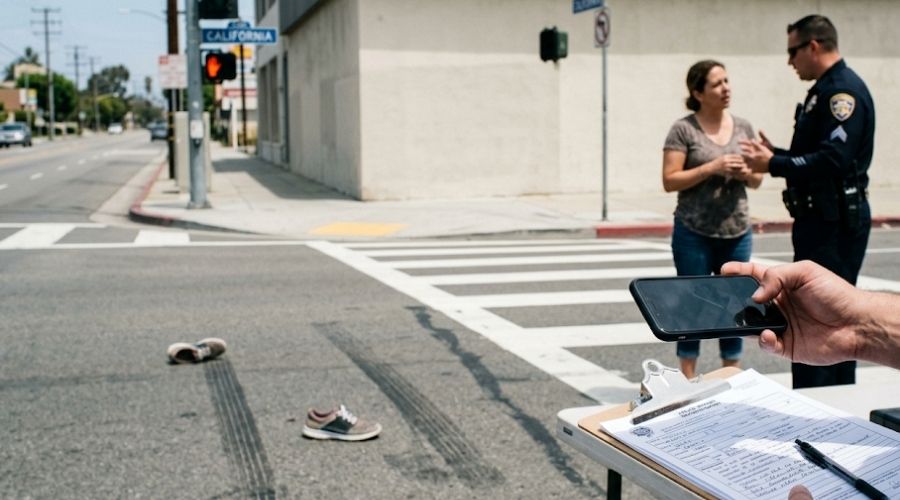
Pedestrian accident investigations often focus heavily on evidence.
Important evidence may include:
Police Reports
Officers frequently document observations, witness statements, and potential traffic violations.
Surveillance Footage
Video recordings can show:
- Vehicle movements
- Pedestrian behavior
- Traffic signal timing
- Driver actions before impact
Witness Statements
Independent witnesses often provide valuable insight regarding fault.
Photographs
Images of:
- Vehicle damage
- Skid marks
- Road conditions
- Traffic controls
- Injuries
can help support a claim.
Electronic Data
Modern vehicles may contain data regarding speed, braking, and driver inputs before a collision.
Prompt preservation of evidence is often essential because footage and physical evidence may disappear over time.
Determining liability in a pedestrian accident often depends on the details captured in the minutes and seconds before impact.
Damages Available After a Pedestrian Accident
Pedestrian accident victims may suffer substantial losses.
Compensation may include:
Medical Expenses
- Emergency treatment
- Hospitalization
- Surgery
- Rehabilitation
- Physical therapy
- Future medical care
Lost Income
Victims may recover compensation for:
- Lost wages
- Reduced earning capacity
- Future income losses
Pain and Suffering
California law may allow compensation for:
- Physical pain
- Emotional distress
- Anxiety
- Depression
- Loss of enjoyment of life
- Permanent disability
Long-Term Care Needs
Catastrophic injuries sometimes require ongoing support and future medical planning.
The severity of pedestrian injuries often makes future damages a significant component of many claims.
Safety Tips for Drivers and Pedestrians
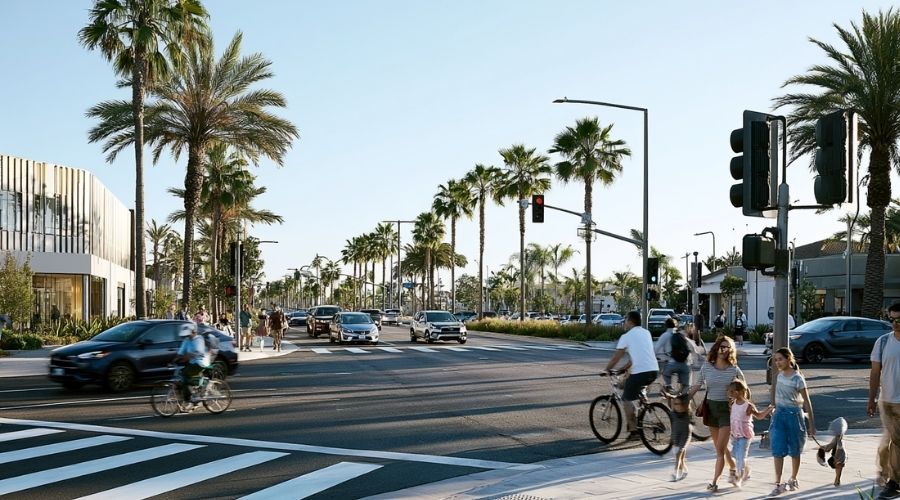
Reducing pedestrian accidents requires cooperation from both motorists and pedestrians.
Drivers should:
- Slow down near crosswalks
- Eliminate distractions
- Yield when required
- Watch for pedestrians when turning
- Exercise extra caution in school zones
Pedestrians should:
- Use designated crossings whenever possible
- Remain alert
- Avoid distractions while crossing
- Follow traffic signals
- Make themselves visible at night
Even when someone has the legal right-of-way, staying aware of surrounding traffic can help prevent serious injuries.
Frequently Asked Questions
Do pedestrians always have the right-of-way in California?
No. While pedestrians receive significant legal protections, they must also exercise reasonable care and follow applicable traffic laws.
What is an unmarked crosswalk?
Many intersections contain legal crosswalks even when painted lines are not present.
Can I recover compensation if I was partially at fault?
Yes. California’s comparative negligence laws may allow recovery even if you share some responsibility for the accident.
What should I do after a pedestrian accident?
Seek medical attention, report the incident, gather evidence when possible, and preserve documentation related to your injuries and losses.
How is fault determined in a pedestrian accident?
Investigators typically review police reports, witness statements, video footage, photographs, traffic laws, and other evidence.
Protect Your Rights After an Orange County Pedestrian Accident
Pedestrian accidents often result in serious injuries that affect victims physically, emotionally, and financially. Understanding California right-of-way laws and how liability is determined can help injured pedestrians better understand their rights after a collision.
Whether the accident occurred in a marked crosswalk, at an intersection, or elsewhere on an Orange County roadway, determining fault often requires a detailed investigation and careful analysis of the evidence.
The experienced team at Oracle Injury Attorneys helps injured pedestrians throughout California pursue compensation for medical expenses, lost income, pain and suffering, and other accident-related damages. If you or a loved one has been injured in a pedestrian accident, contact Oracle Injury Attorneys today to discuss your legal options and learn how we can help.