Understanding fault, negligence, and compensation after a pedestrian accident in California.
Pedestrian accidents are among the most serious traffic collisions that occur on California roadways. Unlike occupants of cars, trucks, and SUVs, pedestrians have little protection when struck by a moving vehicle. Even low-speed impacts can result in severe injuries, lengthy recovery periods, permanent disabilities, and significant financial hardships.
After a pedestrian accident, one of the most important legal questions is determining who is responsible for the injuries and damages that occurred. While many people assume the driver is always at fault, liability is not always straightforward. California law requires both drivers and pedestrians to exercise reasonable care, and multiple parties may sometimes share responsibility for an accident.
Determining liability is critical because it directly affects a victim’s ability to recover compensation for medical expenses, lost wages, pain and suffering, and other damages. Whether the accident occurred in a marked crosswalk, a parking lot, a residential neighborhood, or a busy Orange County intersection, understanding how California law approaches liability can help injured pedestrians protect their rights.
Liability in a pedestrian accident is determined by the facts of the case, not simply by whether a pedestrian was crossing the street or whether a driver was operating a vehicle.
Drivers Are Often Liable for Pedestrian Accidents
In many pedestrian accident cases, the driver is ultimately found responsible.
California drivers have a legal duty to operate their vehicles safely and remain alert for pedestrians.
Common forms of driver negligence include:
- Distracted driving
- Texting while driving
- Speeding
- Driving under the influence
- Running red lights
- Failing to stop at stop signs
- Unsafe turns
- Failure to yield at crosswalks
- Aggressive driving
- Drowsy driving
Many pedestrian accidents occur because drivers simply fail to see pedestrians until it is too late.
This behaviour is particularly common during:
- Left-hand turns
- Right-hand turns
- Nighttime driving
- Heavy traffic conditions
- Congested intersections
When a driver’s negligent behavior causes a pedestrian injury, the driver may be held liable for resulting damages.
Evidence such as police reports, witness statements, surveillance footage, and accident reconstruction analysis often helps establish fault.
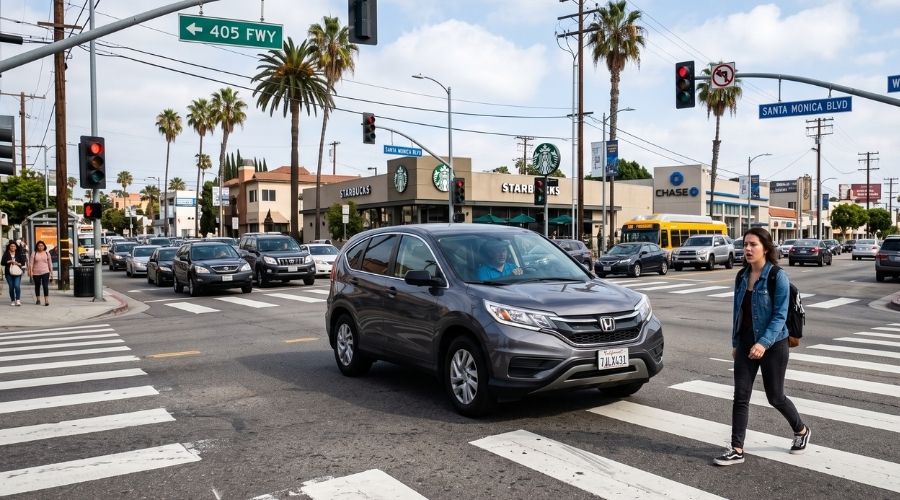
Crosswalk Accidents and Right-of-Way Rules
Crosswalk accidents frequently involve disputes regarding right-of-way.
California law generally requires drivers to yield to pedestrians crossing within the following:
- Marked crosswalks
- Unmarked crosswalks located at intersections
However, right-of-way laws do not create automatic liability in every situation.
Drivers must exercise reasonable care to avoid collisions, but pedestrians must also act responsibly.
For example, pedestrians should not:
- Suddenly leave a curb and enter traffic
- Walk directly into the path of a vehicle that cannot reasonably stop
- Ignore traffic control signals
- Create foreseeable hazards
Even when a pedestrian is crossing legally, the specific facts surrounding the accident often determine liability.
Investigators may examine:
- Traffic signal timing
- Vehicle speed
- Visibility conditions
- Driver actions
- Pedestrian behavior
These details frequently become important during settlement negotiations and litigation.
Can Pedestrians Be Partially Responsible?
Yes.
California follows a pure comparative negligence system, meaning injured pedestrians may still recover compensation even if they share some responsibility for the accident.
Examples where a pedestrian may bear partial fault include:
- Crossing against a traffic signal
- Walking while distracted by a phone
- Entering traffic unexpectedly
- Crossing outside a designated crossing area
- Walking while impaired
Comparative negligence does not automatically prevent compensation.
Instead, damages are typically reduced according to the pedestrian’s percentage of fault.
For example:
- Total damages: $200,000
- Pedestrian fault: 25%
- Driver fault: 75%
The pedestrian may still recover $150,000 after the reduction.
Insurance companies often use comparative negligence arguments to reduce settlement values, making evidence especially important in pedestrian accident cases.
A pedestrian does not lose the right to pursue compensation simply because they may share some responsibility for an accident.
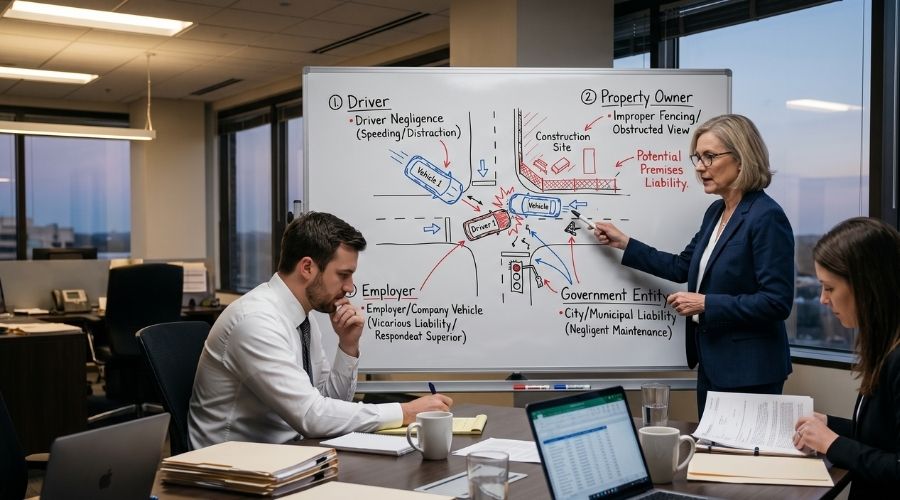
When Other Parties May Be Liable
While drivers are often responsible, other individuals or entities may also contribute to pedestrian accidents.
Employers
If a driver was working at the time of the accident, an employer may share liability.
Examples include:
- Delivery drivers
- Commercial vehicle operators
- Service technicians
- Company vehicle drivers
Employers can sometimes be held responsible for accidents occurring within the scope of employment.
Government Entities
Dangerous roadway conditions occasionally contribute to pedestrian accidents.
Examples may include:
- Malfunctioning traffic signals
- Missing crosswalk markings
- Inadequate street lighting
- Dangerous intersection design
- Obstructed signage
In these situations, a government agency may potentially bear some responsibility.
Claims against public entities often involve strict deadlines and procedural requirements.
Property Owners
Certain pedestrian accidents occur because dangerous property conditions force individuals into unsafe situations.
Examples may include:
- Blocked sidewalks
- Dangerous walkways
- Poorly maintained parking lots
- Construction hazards
Depending on the circumstances, property owners may share liability.
Vehicle Manufacturers
Although less common, defective vehicle components can sometimes contribute to accidents.
Examples include:
- Brake failures
- Steering defects
- Defective lighting systems
Product liability principles may apply when vehicle defects play a role in causing injuries.
Evidence Used to Determine Liability
Pedestrian accident claims often depend heavily on evidence.
Key forms of evidence may include:
Police Reports
Law enforcement officers frequently document the following:
- Witness statements
- Road conditions
- Traffic violations
- Initial observations
Surveillance and Traffic Cameras
Video footage can provide valuable information regarding:
- Vehicle movement
- Traffic signal status
- Pedestrian actions
- Driver behavior
Witness Statements
Independent witnesses may help clarify disputed facts.
Cell Phone Records
Evidence of texting or distracted driving can significantly impact liability determinations.
Accident Reconstruction Analysis
Experts may analyze:
- Vehicle speed
- Impact location
- Braking patterns
- Visibility factors
Strong evidence often becomes essential when fault is disputed.
Common Injuries in Pedestrian Accidents
Pedestrian accidents frequently result in severe injuries due to the lack of physical protection.
Common injuries include:
- Traumatic brain injuries
- Concussions
- Broken bones
- Pelvic fractures
- Spinal cord injuries
- Internal organ damage
- Severe lacerations
- Neck and back injuries
- Permanent disabilities
The seriousness of these injuries often leads to substantial financial and personal losses.
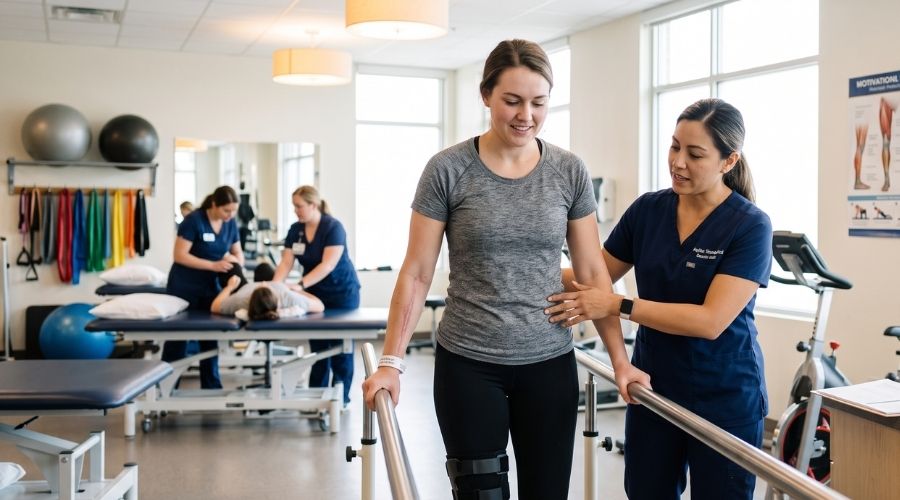
Long-term medical care, rehabilitation, and lifestyle adjustments are common after severe pedestrian collisions.
Damages Available to Injured Pedestrians
Victims may be entitled to seek compensation for both economic and non-economic damages.
Medical Expenses
These may include:
- Emergency treatment
- Hospitalization
- Surgery
- Rehabilitation
- Physical therapy
- Future medical care
Lost Income
Compensation may cover:
- Lost wages
- Reduced earning capacity
- Future income losses
Pain and Suffering
California law may allow recovery for:
- Physical pain
- Emotional distress
- Anxiety
- Depression
- Loss of enjoyment of life
Future Damages
Catastrophic injuries may require compensation for:
- Long-term care
- Home modifications
- Assistive devices
- Future medical treatment
The value of a pedestrian accident claim often depends on both the severity of injuries and the degree of fault assigned to each party.
Frequently Asked Questions
Is the driver always at fault in a pedestrian accident?
No. Liability depends on the specific facts of the accident. Drivers are often responsible, but pedestrians and other parties may also share fault.
Can I recover compensation if I was jaywalking?
Possibly. California’s comparative negligence laws may still allow recovery even if you crossed outside a designated crosswalk.
What if a government agency contributed to the accident?
Claims against public entities may be possible when dangerous roadway conditions contribute to an accident, but special legal deadlines often apply.
How is fault determined in a pedestrian accident?
Investigators review evidence such as police reports, witness statements, surveillance footage, traffic laws, and expert analysis.
What compensation may be available?
Depending on the circumstances, compensation may include medical expenses, lost income, pain and suffering, and future damages.
Protect Your Rights After a California Pedestrian Accident
Determining liability after a pedestrian accident often requires a detailed investigation into the actions of drivers, pedestrians, property owners, employers, and other potentially responsible parties. While drivers are frequently at fault, California law recognizes that multiple factors may contribute to an accident.
Understanding your legal rights and identifying all potential sources of compensation can be critical to your recovery, especially since pedestrian injuries are often severe.
If you or a loved one has been injured in a pedestrian accident, the experienced legal team at Oracle Injury Attorneys can help evaluate your case, investigate liability, and pursue the compensation you deserve. Contact Oracle Injury Attorneys today to discuss your legal options and learn how we can help you move forward after a serious accident.