Ortega Highway is the kind of road people drive for the scenery. It starts at the I-5 in San Juan Capistrano, passes through Rancho Mission Viejo and Caspers Wilderness Park, and climbs into the Cleveland National Forest on its way to Lake Elsinore.
It is also a two-lane mountain road with tight curves and steep slopes, and when something goes wrong here, the results can be severe. If you or someone you love was hurt in a crash on Ortega Highway, you probably have a lot of questions. This guide explains your rights and the steps that matter most.
Ortega Highway Crash Near San Juan Capistrano: Why This Road Is Different
Ortega Highway is State Route 74, a state highway built in the 1930s mainly for recreation. Caltrans describes it as a two-lane mountainous road with curves and steep slopes that runs alongside San Juan Creek. That setting matters in a crash. There are no wide medians, limited room to avoid another vehicle, and long stretches where you cannot see far ahead.
Add speed, trucks and trailers, motorcycles, and weekend visitors who are not used to the curves, and a small mistake can turn into a head-on collision, a rollover, or a crash into a hillside or ravine.
Other conditions can complicate things, too, such as sudden fog, rocks or debris on the road, wildlife, closures, and emergency traffic during fire season. These are not the cause of every crash, but they are part of why investigating the scene early matters.
First Steps at the Scene
Your first job is safety. Call 911 and tell the dispatcher where you are as precisely as you can. Mention the nearest cross street, landmark, mile marker, or the direction you were heading, since there are few buildings or signs on parts of this highway.
Cell service may be limited in the canyon, so if your call will not go through, try moving to a spot with a better signal, if that is safe, or ask a passing driver for help. If your car can still move, pull to a safe pullout. If not, turn on your hazard lights and stay inside with your seat belt on unless there is a fire or another immediate danger. Standing in a narrow lane on a blind curve is dangerous.
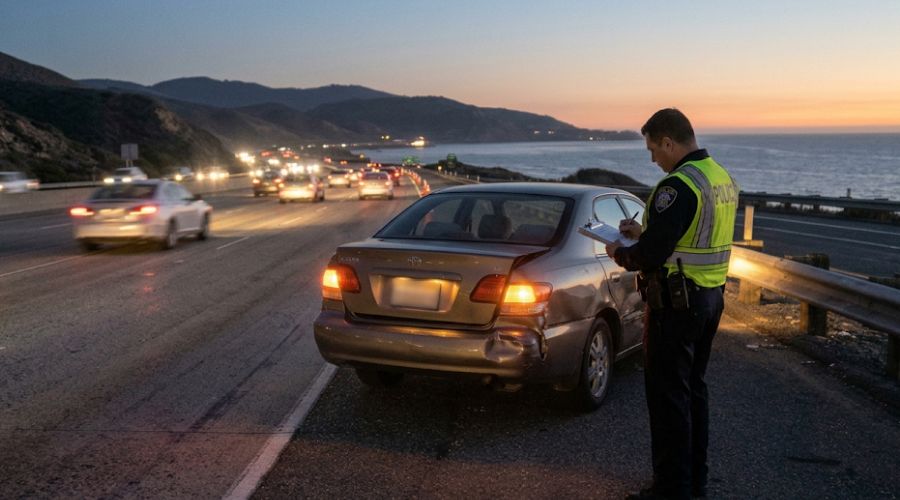
Accept medical evaluation at the scene even if you feel okay, because adrenaline hides pain. When officers arrive, give short, factual answers, avoid guessing about fault, and ask for a report number. The California Highway Patrol generally responds to crashes on state highways like this one.
Your Rights After an Ortega Highway Crash
You have the right to seek compensation from the person or people whose carelessness caused the crash. In California, that can include your medical bills, future treatment, lost income, reduced ability to earn in the future, and pain and suffering. You also have the right to get medical care of your choice and to keep every record of it, because those records connect your injuries to the crash.
You have the right to decline a recorded statement to the other driver’s insurance company. Adjusters work to limit what their company pays, and a casual phone call can be used against you later. You can tell them that you will speak with a lawyer first. You also have the right to review and understand any offer before you accept it, and you should not sign a release until you know the full cost of your injuries.
People involved in a crash can generally request a copy of the CHP report, and a lawyer can do it for you. If the driver who hit you had no insurance, or not enough, your own uninsured or underinsured motorist coverage may help. Check your policy early and speak with a lawyer, since these claims can have notice requirements of their own. And you always have the right to talk to an attorney. A consultation does not obligate you to hire anyone.
Common Causes and How Fault Works
Many cases of Ortega Highway crash come from familiar driver errors made more dangerous by the road. Driving too fast into a curve is a classic example. California’s basic speed law, Vehicle Code Section 22350, says a driver must not go faster than is safe for the conditions, even if they are under the posted limit.
Other common causes include unsafe passing, drifting over the center line, following too closely, distracted driving, and driving under the influence. Large vehicles pulling trailers can also swing wide on tight turns.
Fault does not always fall on just one person. California follows comparative fault, so your compensation is reduced by your share of responsibility instead of being denied. If a jury decided you were 20 percent at fault on a $100,000 claim, for example, you would recover $80,000. That is why the details of how and where the vehicles ended up matter so much.
Motorcycle Crashes on Ortega Highway
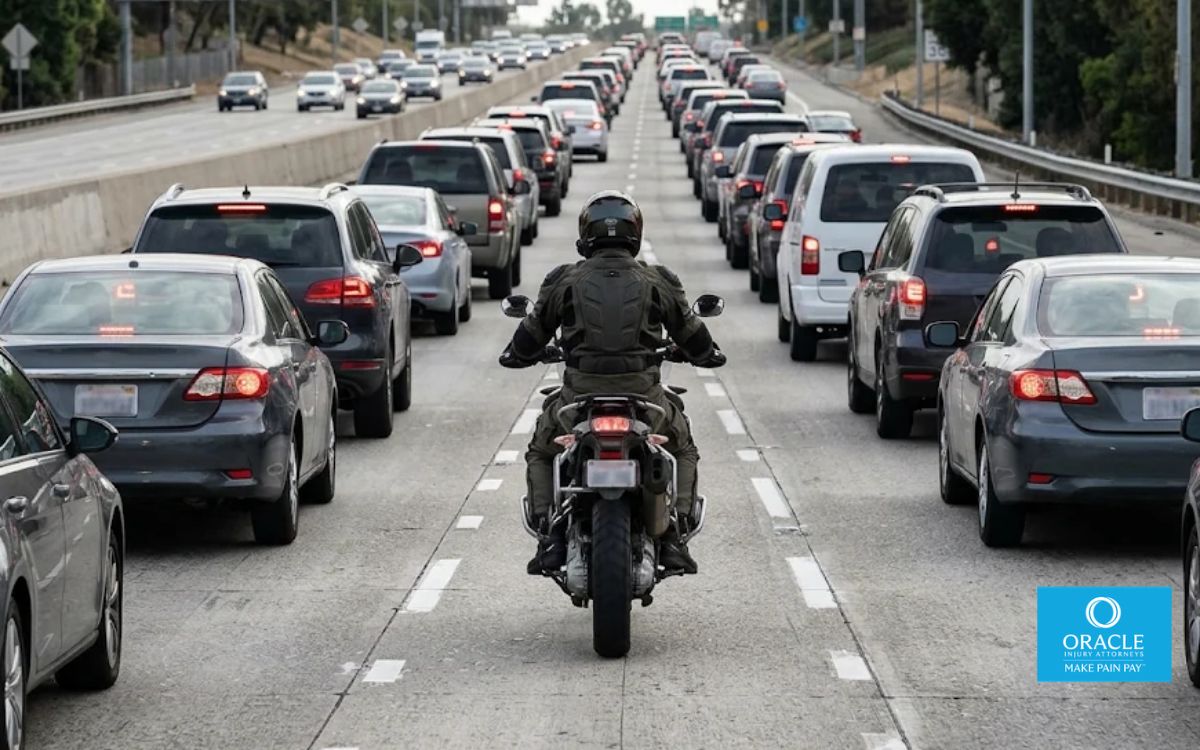
Ortega Highway is a popular riding route, and motorcyclists tend to suffer the worst injuries when a crash happens. A rider can be hurt by a driver who crosses the center line, makes a turn without looking, or cuts a curve. Insurers sometimes try to blame the rider by pointing to speed, the type of road, or whether a helmet was worn.
Those arguments can reduce a claim but do not automatically end it. For more on how fault is weighed when a rider is involved, read our guide to a lane-splitting crash on the 405 in Fountain Valley.
Evidence to Protect After an Ortega Highway Crash
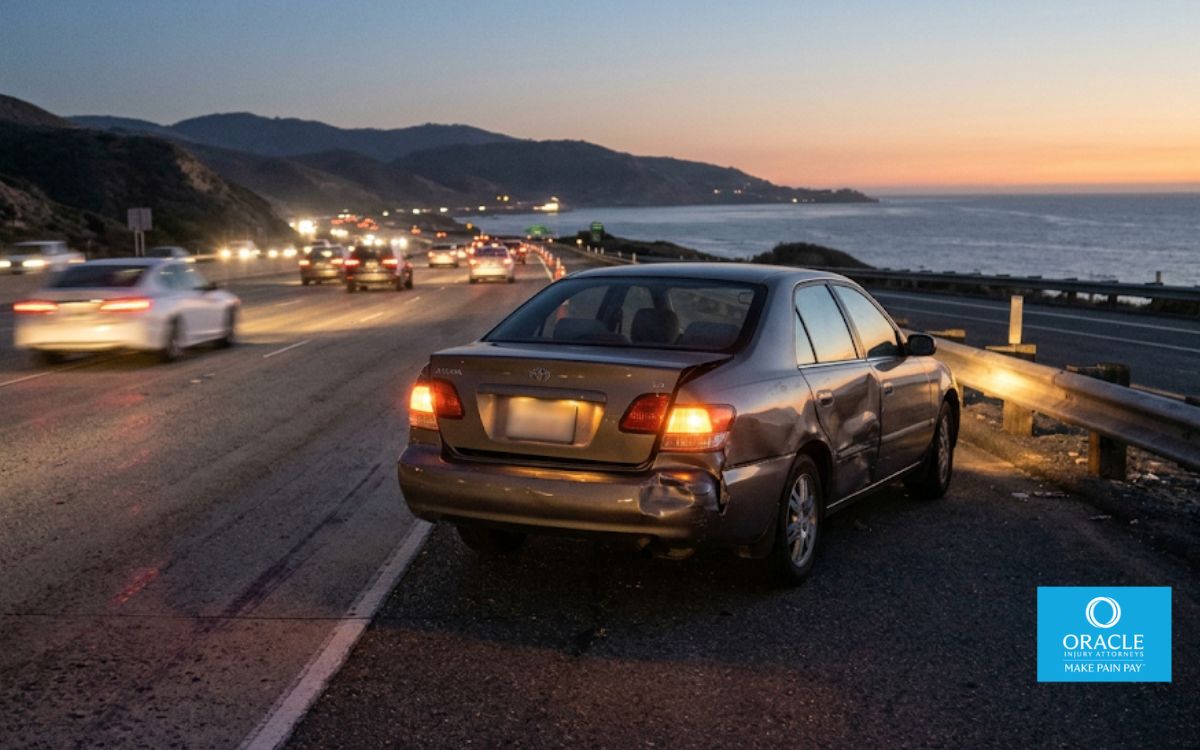
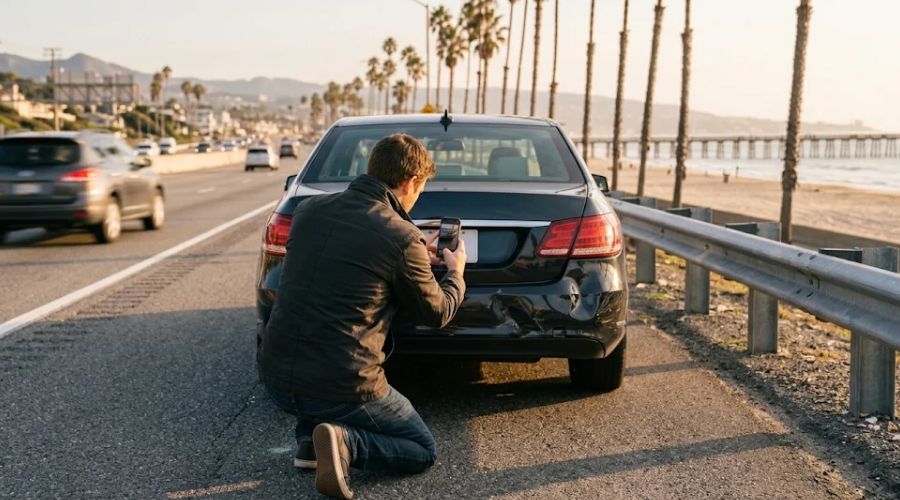
If you can do so safely, take photos of the vehicles, the damage, the road surface, skid marks, debris, guardrails, signs, and the curve itself from several angles. Note the weather and light conditions, and the exact spot using a mile marker or landmark.
Get the names and phone numbers of anyone who saw what happened, and the insurance information of the other drivers. A dashcam, either yours or another driver’s, can be some of the most valuable evidence.
Roadside evidence disappears fast. Vehicles get towed, rain washes away marks, and repair crews may change the scene. If you cannot gather any of this because you are hurt, a lawyer can later work to obtain the CHP report, request photos and records, and send preservation letters before important evidence is lost.
When Caltrans or Another Agency May Share Responsibility
Because Ortega Highway is a state highway, a crash sometimes raises a question about the road itself. California allows claims against public entities for a dangerous condition of public property, under Government Code Section 835.
In general, that means showing that a dangerous condition existed, that it created a risk of the kind of injury you suffered, and that the agency knew about it or should have known in time to fix or warn about it. A contractor working on the road may also share responsibility. Caltrans has carried out safety work on parts of the highway over the years, but that does not by itself prove a defect caused your crash. These claims need a careful look at the facts.
The key difference is time. A claim for injury against a public entity generally must be presented within six months under Government Code Section 911.2. Limited exceptions exist, but waiting and hoping for one is risky. If you think the road may have played a part, speak with a lawyer well before that six-month mark.
Handle Insurance Carefully
Tell your own insurer about the crash and stick to basic facts. With the other driver’s insurer, be careful about what you say and sign. Do not accept a quick offer before you know how serious your injuries are, because head, back, and neck injuries can take time to show their full effect. Our posts on how to talk to an insurance adjuster after an accident and 5 tactics insurance adjusters use to lower your settlement explain what to watch for.
Deadlines After an Ortega Highway Crash
Most personal injury lawsuits must be filed within two years under Code of Civil Procedure Section 335.1. As described above, a claim against a public entity usually has a six-month window instead. Reporting rules apply as well. A crash with injury or death must be reported to law enforcement within 24 hours, and the DMV generally requires an SR-1 form within 10 days if anyone was injured or killed, or if property damage was more than $1,000.
Children may have additional time on injury claims. For every California deadline in one place, see how long you have to file a claim in California. To understand how claims are valued, read what your personal injury case is worth in California, and if you are weighing whether to hire help, see do you need a personal injury lawyer in Orange County.

Frequently Asked Questions
Who responds to a crash on Ortega Highway?
Do I have to give the other driver’s insurance company a recorded statement?
Can Caltrans be responsible for a crash on Ortega Highway?
What if the other driver crossed into my lane and has no insurance?
How long do I have to file a claim after a crash on Ortega Highway?
Hurt on a Ortega Highway Crash? Know Where You Stand
Mountain road crashes raise questions about speed, road conditions, and responsibility, and the deadlines can be short. Oracle Law Firm | Accident & Injury Attorneys helps injured drivers, riders, and passengers throughout Orange County, including San Juan Capistrano, with a free, confidential consultation, no upfront fees, and no obligation. You only pay if we recover compensation.
Contact our team today before you speak with an insurance company.