Workers comp for gig drivers California is a short answer with a long list of consequences: if you drive for Uber, Lyft, or DoorDash, you are generally not covered by workers’ compensation. California voters passed Proposition 22 in 2020, the California Supreme Court upheld it in 2024, and it classifies qualifying app-based drivers as independent contractors.
What you get instead is a narrower, private accident policy. Knowing exactly what it covers, what it leaves out, and what other claims you may still have is what keeps an injury from becoming a financial crisis.
Workers Comp for Gig Drivers California: The Short Answer
Standard workers’ comp is a no-fault system for employees. Prop 22 says qualifying rideshare and delivery drivers are not employees, so the California workers’ compensation system does not apply to them in the usual way. In Castellanos v. State of California (2024), the California Supreme Court upheld the measure. A driver would have to prove employee status to get regular workers’ comp, and for drivers covered by Prop 22 that is a steep climb.
In place of workers’ comp, Business and Professions Code Section 7455 requires the platform to provide occupational accident insurance. For how the real workers’ comp system works for employees, see our guide on what benefits you are entitled to after a workplace injury in California.
What Prop 22 Accident Insurance Covers
The required coverage has two main pieces. Medical expenses are covered up to $1,000,000. Disability payments replace 66% of your average weekly earnings, for up to the first 104 weeks after the injury. Those numbers sound generous until you compare them with what workers’ comp provides.
It is a private insurance policy with a coverage limit, not a statutory benefit system. It does not include a permanent disability rating, the open-ended medical care that workers’ comp can keep available for an accepted injury, or the retraining voucher. Disability payments stop at 104 weeks. The coverage is also tied to time on the platform, and the exact window depends on the policy terms, so read the policy summary the platform gives you rather than assuming every injury behind the wheel is covered.
What to Do in the First 48 Hours After an Injury
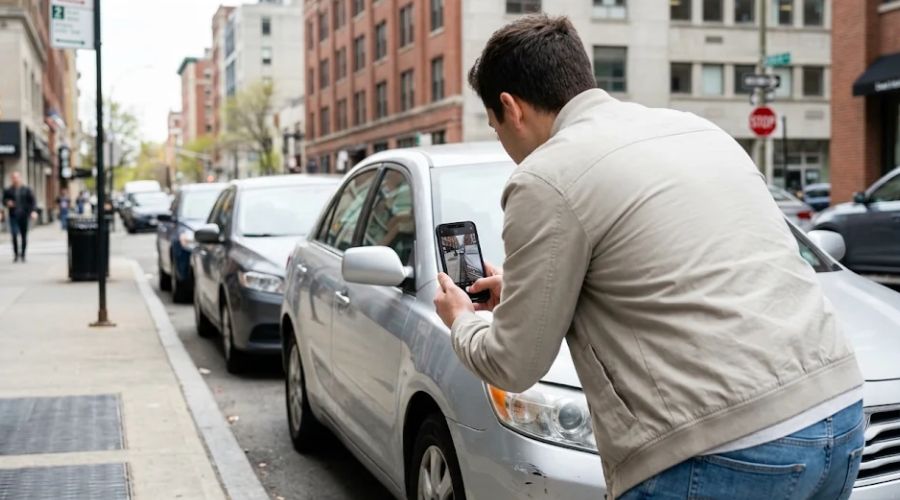
Get medical care first, then protect the paper trail. Report the injury through the platform’s safety or insurance portal right away and save a screenshot or confirmation of the report. Photograph the scene, your vehicle, and your injuries. Keep your trip data and earnings records, because your disability payment is calculated from them.
Be careful with recorded statements. The accident insurer and any other insurer involved are building a record, and gig drivers often give statements before they understand which coverage applies. Our guide on how to talk to an insurance adjuster after an accident explains what to say and what to hold back.
If Another Driver Caused Your Crash, You Have a Second Claim
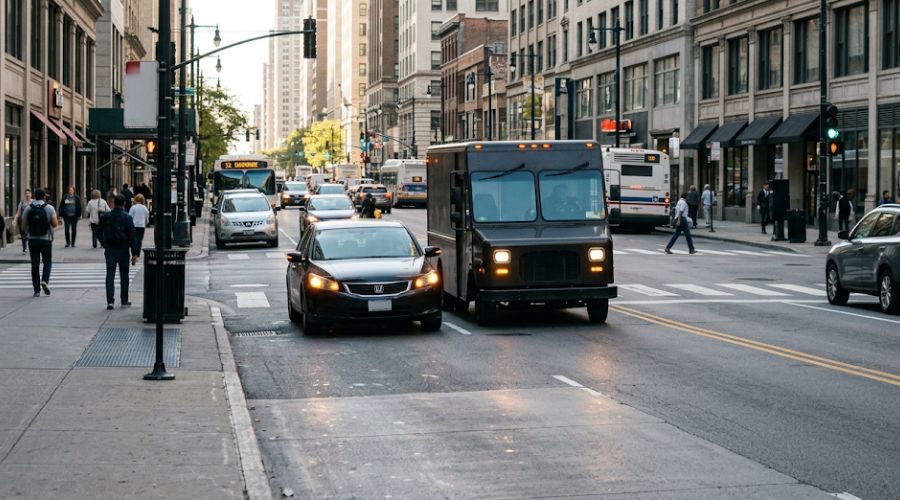
This is the part most gig drivers miss. Occupational accident insurance and a personal injury claim against the at-fault driver are separate tracks, and you can pursue both. The accident policy pays quickly but narrowly. The injury claim can recover what it does not: pain and suffering, full lost income, and vehicle damage.
If the at-fault driver is uninsured or fled, your own uninsured motorist coverage may apply, though drivers should check how their personal auto policy treats commercial use. See our posts on dealing with an accident caused by an uninsured driver and hit-and-run accidents in Orange County. For how injury claims are valued, see what your personal injury case is worth in California.
If a Gig Driver Hit You
Passengers, pedestrians, and other drivers hurt by a gig driver have a separate set of rights. The claim usually starts with the driver’s own auto insurance. Under Prop 22, the platform must also carry at least $1,000,000 in auto liability coverage for third parties injured during an active ride or delivery when the driver’s own policy does not cover the crash.
If the driver was not on an active trip, the driver’s own insurance generally applies. Which phase applied at the moment of impact is the key fact, and the platform’s trip data can disappear, so ask a lawyer to preserve it quickly. Our post on rideshare accident claims goes deeper.
Can a Gig Driver Still Be an Employee?
For drivers covered by Prop 22, reclassification as employees is difficult after the 2024 ruling. Prop 22 applies to qualifying app-based rideshare and delivery drivers, so gig workers who fall outside it are evaluated under California’s ABC test, which presumes employee status unless the company proves otherwise. Whether you are inside or outside Prop 22 depends on the work you do and the platform, which is exactly the kind of question worth a free consultation before assuming you have no workers’ comp rights.
Deadlines to Watch
A personal injury lawsuit against a negligent third party must be filed within two years under Code of Civil Procedure Section 335.1. The accident insurance policy has its own notice and filing deadlines that are not the same, so report the injury immediately. For every California deadline in one place, see our post on how long you have to file a car accident claim in California.

Frequently Asked Questions
Do Uber and DoorDash drivers get workers’ comp in California?
What does Prop 22 occupational accident insurance cover?
Can a gig driver also sue the person who caused the crash?
What if a gig driver hits me while working?
How long do I have to file a claim after a gig driving injury?
Hurt While Driving for an App? Find Out What You Can Claim
Gig drivers often leave money on the table because they stop at the platform’s accident policy. Oracle Law Firm | Accident & Injury Attorneys reviews gig driver injuries throughout Southern California to identify every available claim, with no upfront fees and no obligation.
Contact our team today before any deadline passes or any recorded statement is given.