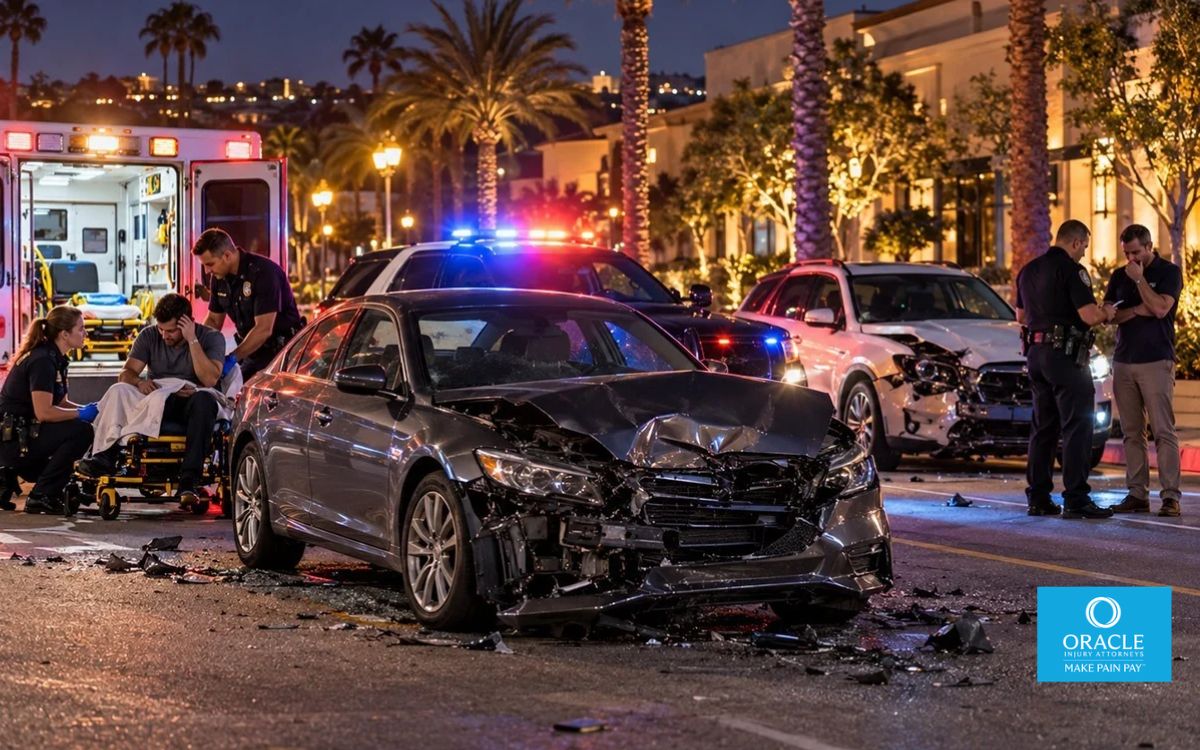
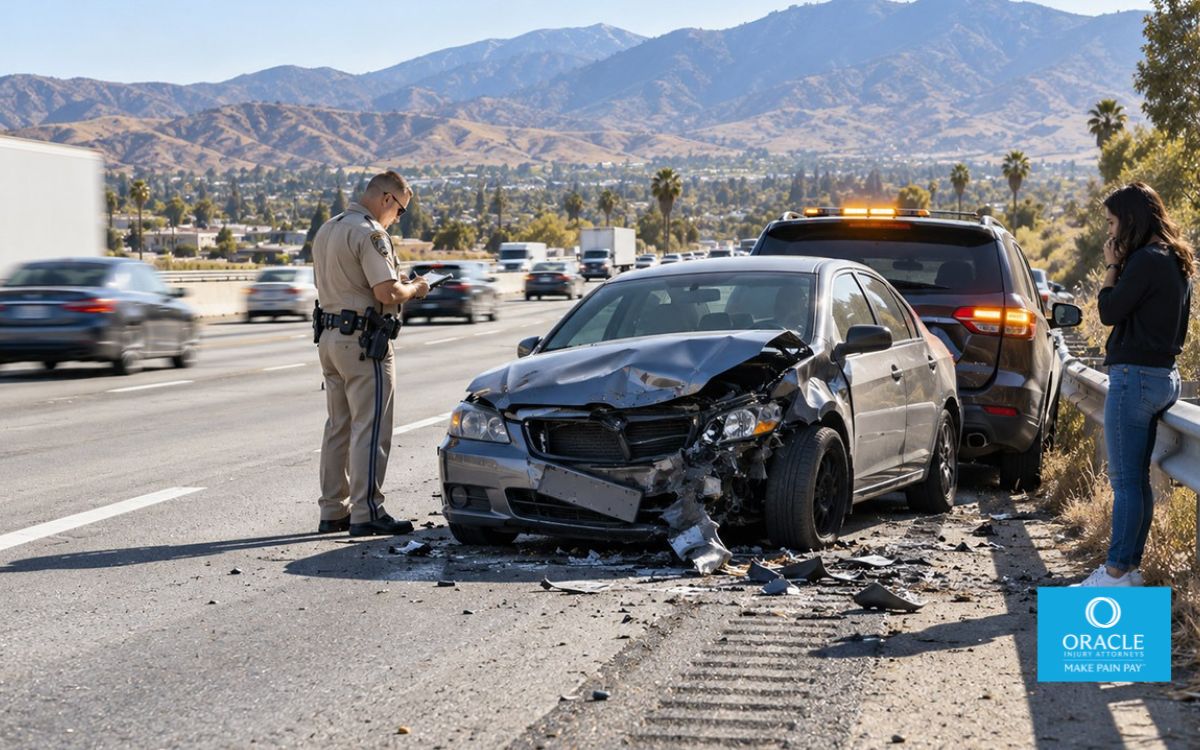
In the Inland Empire region, car accidents tend to cause more serious injuries than in other areas of Southern California. Although car accidents can happen anywhere, certain factors in the region contribute to the risk of accidents. Therefore, it is imperative for drivers to be aware of the risks involved in car accidents in the region, while the injured can understand the implications of the accident on an injury claim.
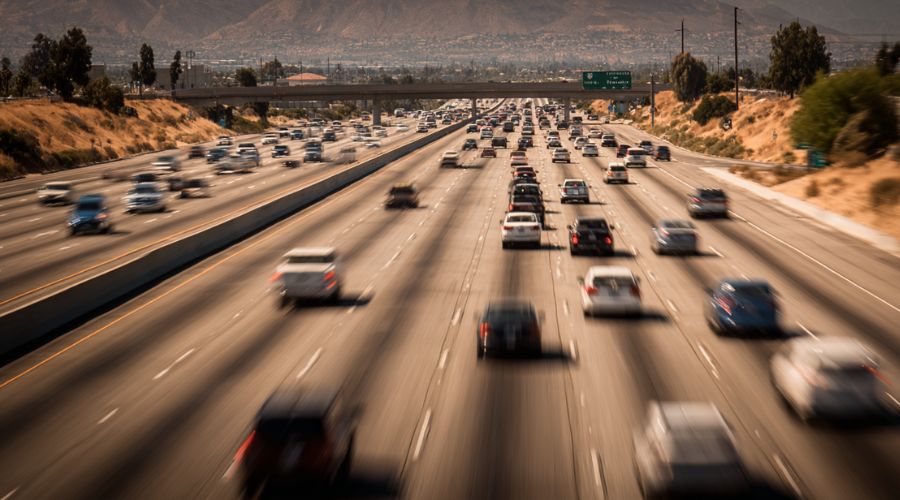
High-Speed Freeways and Long Commutes
The Inland Empire is crisscrossed by major freeways, including I-10, I-15, SR-60, SR-91, and SR-210. These highways carry heavy daily traffic from commuters traveling long distances to and from work. While congestion is common during peak hours, drivers often travel at high speeds when traffic clears, especially outside of rush hour.
Long commutes contribute to driver fatigue, slower reaction times, and reduced attention behind the wheel. When a crash occurs at freeway speeds, the results are often devastating. Victims may suffer traumatic brain injuries, spinal cord damage, internal organ injuries, or multiple fractures—injuries that can require extensive medical care and long-term recovery.
Heavy Commercial and Truck Traffic
Situated inland, the region functions as a key center for cargo movement across Southern California. Owing to clusters of storage facilities, transport pathways, along with links to maritime terminals and train depots, heavy-duty lorries move continuously through areas where private cars also travel.
Heavy trucks pose greater danger in crashes due to their size and weight. These collisions often involve heightened injury risk and added legal complexity, as federal regulations may apply. Liability can extend beyond the driver to trucking companies or maintenance providers, and insurance coverage is often layered. As a result, claims require careful documentation and timely evidence to determine responsibility and pursue full compensation.
Rapid Growth and Increasing Congestion
Despite recent growth, roads see more traffic than before. Expansion of homes, shops, and factories moves ahead, while updates to public systems lag behind. With each passing year, travel routes grow busier, yet changes meant to protect users fail to follow at the same rate.
When roads grow crowded, chances rise for vehicles striking one another from behind, erratic shifting between lanes, or mishaps where paths cross. Most often, these occur at busy travel times – moments when schedules press hard on movement and flow shifts without warning. A small lapse amid packed cars may still result in severe outcomes.
Distracted and Aggressive Driving
Frustration while driving tends to emerge when traffic halts repeatedly, waits stretch on, congestion fills major roads. Within the Inland Empire, tension transforms into forceful maneuvers – vehicles follow too closely, exceed speed limits, move past others without caution. Such choices sharply raise the chance of severe crashes occurring. When road conditions worsen, reactions grow sharper, outcomes become less predictable.
A significant issue involves distractions while operating a vehicle. Devices such as mobile telephones, route guidance tools, or built-in electronics pull focus away from traffic conditions. When traveling at high velocity on expressways, brief lapses in concentration may stop timely responses like slowing down. Such delays often result in serious harm, occasionally changing lives permanently.
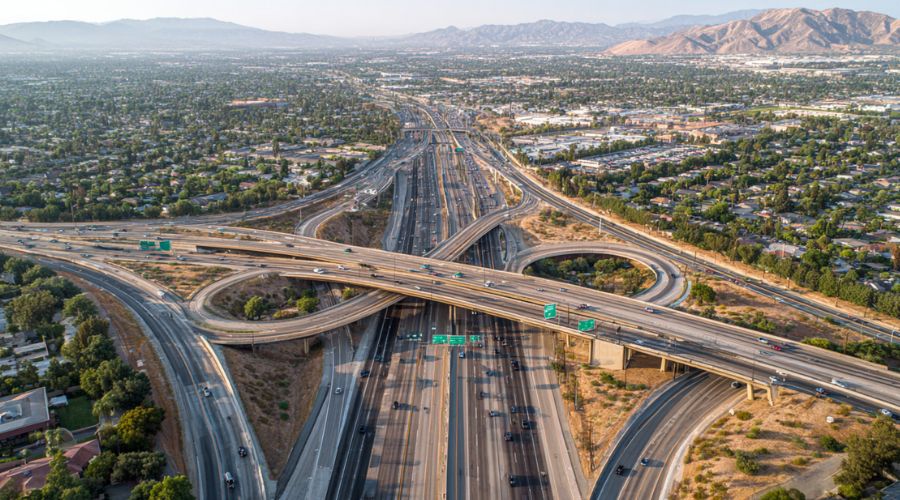
Dangerous Intersections and Highway Interchanges
Drivers often face sudden changes in road patterns across the Inland Empire, particularly where city streets connect to fast-moving highways. At these points, merging becomes difficult due to brief entry lanes that offer little time to adjust. Confusing signs add strain, making navigation harder without warning. Those who do not know the region may struggle more when routes shift unexpectedly. Complex junctions contribute heavily to incidents simply because timing matters so much.
Crashes involving many cars tend to happen most often here. With more drivers part of the incident, deciding who is responsible grows harder. Claims related to harm usually require dealing with various insurers. Stories about what actually took place frequently do not match.
Weather and Environmental Conditions
Despite Southern California’s reputation for pleasant climates, travel through the Inland Empire brings exposure to elements complicating road safety. High temperatures appear alongside gusty airflow, each contributing to unstable driving scenarios. Rain arrives in cycles, bringing slick surfaces where visibility blurs. Dust lifts into air currents, reducing sight distance unexpectedly. Bright sunlight reflects at sharp angles, often overwhelming vision during peak hours. These factors combine without warning, altering conditions rapidly.
When rain falls, surfaces become slippery, most noticeably once oil has accumulated during extended dry spells. Heat stress affects tires more, raising failure risks under extreme conditions. Visibility drops are caused by airborne particles and bright reflections, limiting how far ahead drivers detect obstacles. Avoidable collisions tend to occur where such elements combine without warning.
Delayed Emergency Response in Rural Areas
Parts of the Inland Empire are geographically spread out and more rural, which can delay emergency response times after a serious crash. When injuries are severe, even small delays in medical treatment can affect outcomes and recovery.
Prompt medical care is often critical following a collision, particularly in cases involving head trauma, internal injuries, or significant blood loss. Longer response times can increase the risk of complications and make recovery more difficult for injured victims.
How These Factors Affect Injury Claims
Factors that increase the severity of Inland Empire car crashes also affect how injury claims are evaluated. High speeds, commercial truck involvement, and multi-vehicle collisions often lead to more serious harm and longer claim timelines. Insurers closely examine evidence such as police reports, medical records, witness statements, and expert analysis when determining liability. In complex cases, thorough documentation plays a critical role in how outcomes are decided.
Steps to Take After an Inland Empire Car Accident
If you are involved in a car accident, taking the right steps early can protect both your health and your legal rights:
- Seek medical attention as soon as possible, even if symptoms seem minor
- Contact law enforcement and obtain an official accident report
- Document the scene with photos or videos if it is safe to do so
- Gather contact information from witnesses
- Avoid discussing fault or giving recorded statements to insurance companies without legal guidance
Early action helps preserve evidence and strengthens any future injury claim.

Why Legal Guidance Matters After a Serious Accident
When crashes occur in the Inland Empire, high speeds, multi-vehicle collisions, or the involvement of large commercial trucks often make fault difficult to determine. Identifying all responsible parties requires timely evidence collection and careful coordination with insurers.
When injuries are severe, experienced legal guidance can significantly affect claim outcomes by helping secure compensation that reflects the full impact of the harm. Results often depend on how clearly liability and damages are documented from the beginning.
Contact us for a free consultation or get answers to your questions.
Frequently Asked Questions
Why are Inland Empire car accidents often more severe?
High speeds, heavy truck traffic, long commutes, and rapid growth contribute to more serious crashes.
Do truck accidents require a different legal approach?
Yes. Truck cases often involve additional regulations and multiple liable parties.
Can I recover compensation if I was partially at fault?
Yes. California’s comparative negligence law allows partial recovery.
What injuries are common in high-speed crashes?
Traumatic brain injuries, spinal cord injuries, fractures, and internal injuries are common.
Should I speak to an attorney after a serious crash?
Speaking with an attorney can help protect your rights and clarify your options.