Building a Strong Claim With the Right Documentation and Proof

After a car accident in Santa Ana, the strength of your case often comes down to one key factor: evidence. While many people assume that fault is obvious, insurance companies and legal teams rely heavily on documented proof to determine liability and calculate compensation.
Even a valid claim may face challenges or undervaluation in the absence of strong evidence. On the other hand, a well-documented case supported by clear and consistent evidence can significantly improve your chances of securing fair compensation. Understanding what evidence matters most and how to preserve it is essential after any car accident.
Police Reports Provide an Official Account
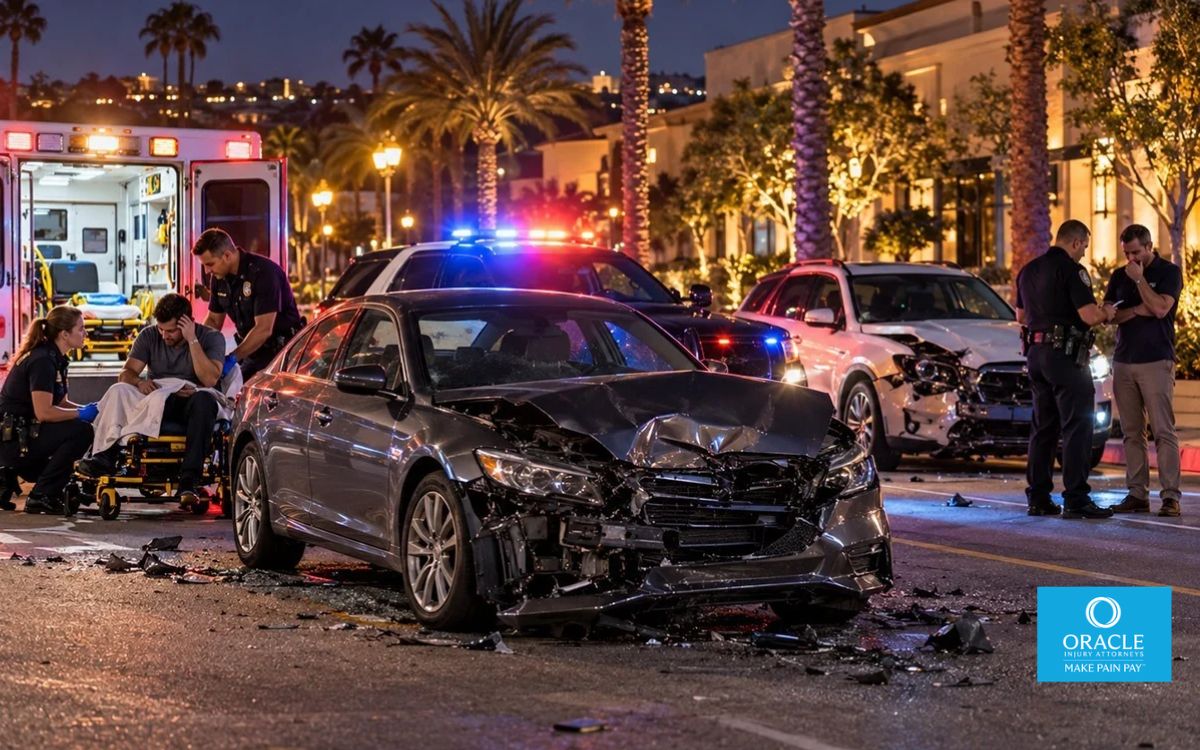
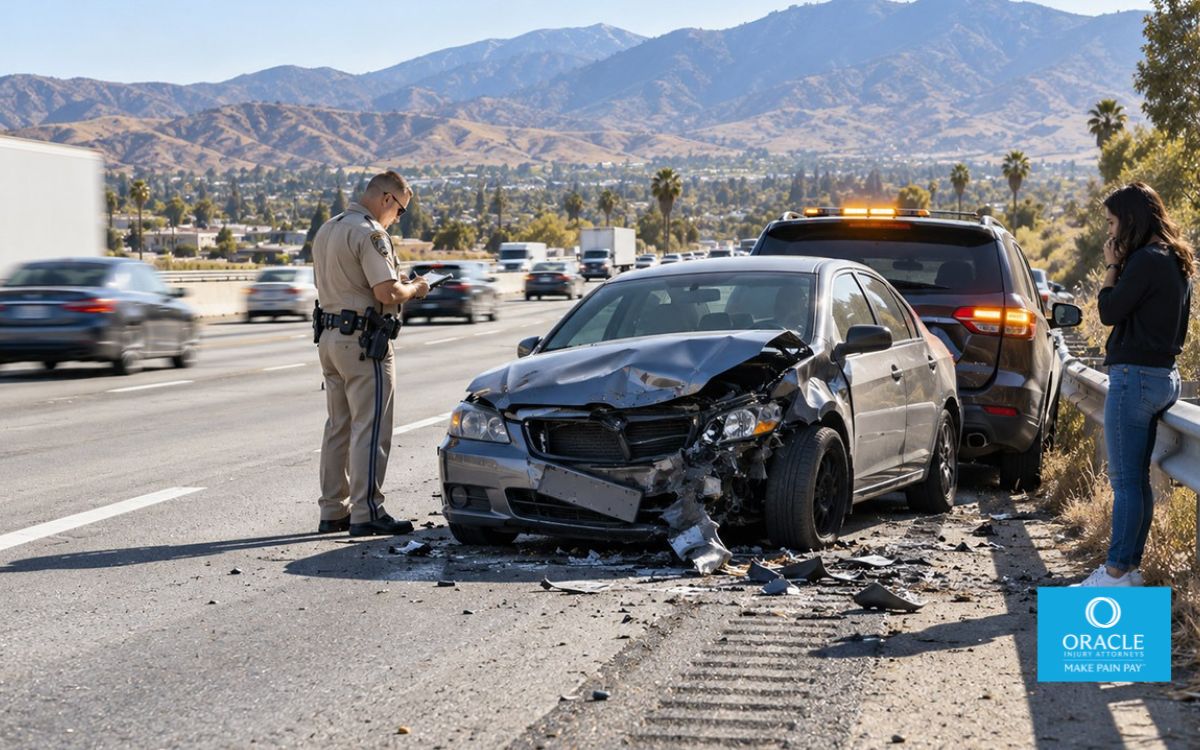
The police report is one of the most important pieces of evidence in a car accident case. When law enforcement responds to an accident in Santa Ana, they document key details about the incident.
This report typically includes a summary of how the accident occurred, statements from drivers and witnesses, diagrams of the scene, and any citations issued. While it does not legally determine fault, it serves as a credible and objective record that insurance companies rely on heavily.
Providing accurate information at the scene can help prevent discrepancies that could later impact your claim.
“A detailed police report can serve as the foundation of your case, providing an unbiased snapshot of what happened.”
Photographic and Video Evidence Captures the Scene
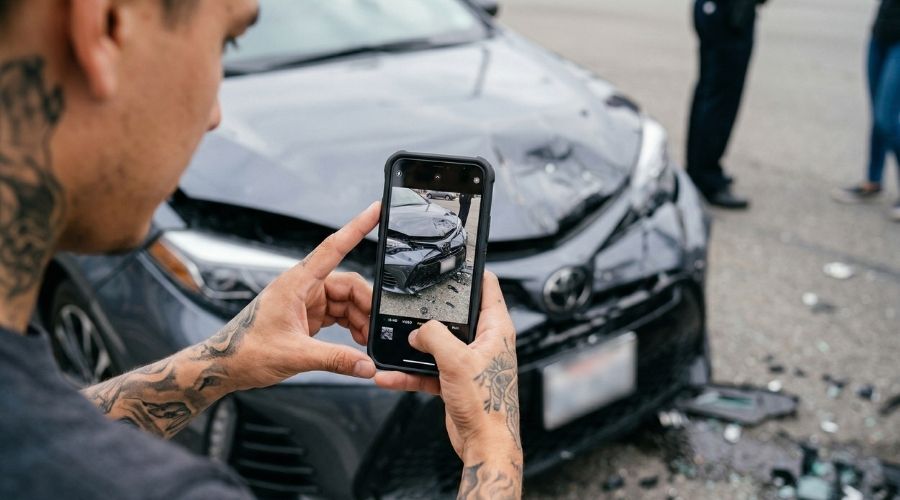
Photos and videos taken immediately after an accident can be some of the most powerful forms of evidence. They provide a visual record that can clarify details that might otherwise be disputed.
Images of vehicle damage, skid marks, traffic signals, road conditions, and surrounding areas can help reconstruct how the accident occurred. Photos of visible injuries can also demonstrate the immediate impact of the collision.
If available, dashcam footage or nearby surveillance video can offer even stronger proof by showing the accident in real time. This type of evidence is often difficult to dispute.
Capturing as much visual information as possible at the scene can make a significant difference in how your case is evaluated.
Witness Statements Add Credibility
Witnesses can provide independent accounts of the accident, which are especially valuable when there are conflicting stories between drivers. Their observations can help confirm details such as who had the right of way, whether a driver was speeding, or how the collision unfolded.
Gathering contact information from witnesses at the scene is crucial, as the claims process or court proceedings may require their statements later. Insurance companies often allocate weight to third-party perspectives because they are not directly involved in the accident.
Consistent and credible witness testimony can strengthen your position and support your version of events.
“Independent witness statements can bridge the gap when liability is disputed and provide clarity in complex cases.”
Medical Records Connect Injuries to the Accident
Medical documentation plays a crucial role in demonstrating that the accident, and not any other event, caused your injuries. Seeking prompt medical attention creates a clear timeline that links your condition to the collision.
Medical records typically include diagnoses, treatment plans, prescriptions, and notes from healthcare providers. These documents help establish the severity of your injuries and the care required for recovery.
Ongoing treatment records are equally important, as they demonstrate the continued impact of the accident on your health. Insurance companies may use gaps in treatment to argue that your injuries are not serious.
Maintaining consistent medical documentation is critical to supporting both economic and non-economic damages.
Repair Estimates and Property Damage Documentation
Evidence of vehicle damage plays a key role in illustrating the severity of an accident. Repair estimates, mechanic reports, and photos of the damage help establish the force of the collision.
In many cases, the location and extent of damage can help explain how the accident occurred. For example, rear-end damage may indicate that a driver failed to stop in time, while side-impact damage may suggest a failure to yield.
Documentation of property damage enhances the overall value of your claim by precisely accounting for repair or replacement costs.
Expert Analysis Can Strengthen Complex Cases
In more complicated car accident cases, expert analysis may be necessary to establish liability and damages. Accident reconstruction specialists can analyze evidence such as vehicle positioning, impact angles, and road conditions to determine how the collision occurred.
Medical experts may explain the long-term effects of injuries, while financial experts can calculate future losses related to reduced earning capacity or ongoing care.
Expert testimony can add credibility and depth to your case, especially when insurance companies dispute key aspects of your claim.
“Expert analysis can transform complex evidence into clear conclusions that support your case and strengthen your position.”

Documentation of Financial Losses
In addition to proving how the accident occurred, it is important to document the financial impact of your injuries. This includes medical bills, lost wages, and any other expenses related to the accident.
Pay stubs, employer statements, and receipts help establish the economic damages you have suffered. Keeping detailed records ensures that all losses are included in your claim and prevents underestimation.
This type of evidence is essential for calculating compensation and demonstrating the full extent of your damages.
Frequently Asked Questions
What is the most important evidence in a car accident case?
Police reports, photos, medical records, and witness statements are among the most important types of evidence.
Should I take photos after a car accident?
Yes, photos of the scene, damage, and injuries can provide valuable visual proof.
How do medical records help my case?
They establish a clear connection between the accident and your injuries, supporting your claim for compensation.
Can I still win a case without witnesses?
Yes, but additional evidence such as photos, reports, and expert analysis becomes even more important.
Conclusion
Building a strong car accident case in Santa Ana requires more than just stating what happened. It depends on gathering clear, consistent, and credible evidence that supports your claim from every angle. From police reports and photos to medical records and expert analysis, each piece of evidence plays a role in establishing liability and demonstrating the impact of the accident.
Taking the time to document your case properly and seeking guidance when needed can make a significant difference in the outcome. A well-supported claim improves your chances of success and helps ensure that you receive the compensation you deserve.Contact Oracle Injury Attorneys today for a free consultation and let our experienced team help you build a strong case and pursue the compensation you deserve after a car accident.