Why changing weather in California can create dangerous driving conditions and increase the risk of serious collisions.
When people think of dangerous weather-related driving, California is not always the first place that comes to mind. In contrast to states that experience snowstorms and icy roads, Southern California is typically known for its sunshine and mild weather. However, weather-related car accidents happen more often than many drivers realize.
Rain, fog, wildfire smoke, strong winds, extreme heat, and even sudden sun glare can significantly affect road safety across California. Many drivers underestimate how quickly conditions can change and fail to adjust their driving habits appropriately when visibility or traction is compromised.
In cities throughout Southern California, including Riverside, Anaheim, Corona, Santa Ana, and beyond, weather-related crashes frequently contribute to serious injuries ranging from whiplash and broken bones to catastrophic spinal injuries and traumatic brain injuries.
Understanding how weather conditions contribute to accidents may help drivers stay safer and better understand liability when crashes happen.
At Oracle Injury Attorneys, injured victims often face difficult questions after weather-related collisions, especially when insurance companies attempt to blame road conditions instead of negligent driving.
“Bad weather may contribute to accidents, but drivers still have a responsibility to adjust for dangerous conditions.”
Rain Is One of California’s Biggest Driving Hazards
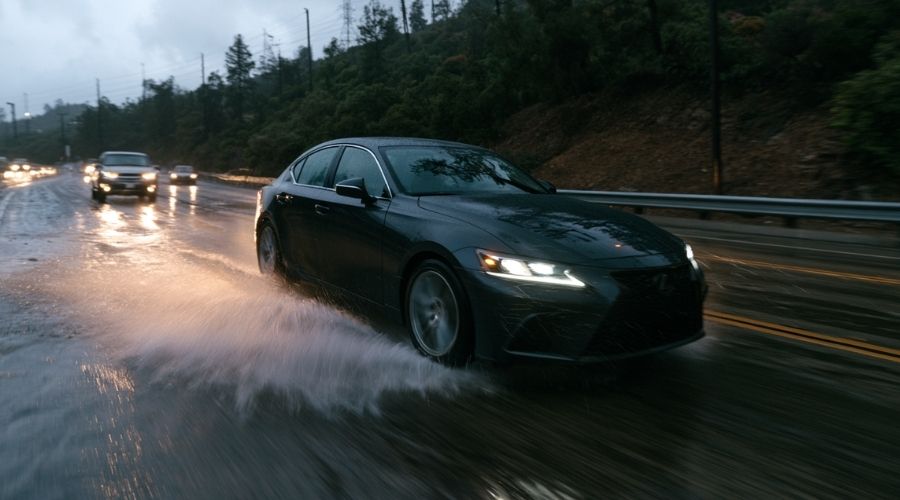
Rain may seem harmless, especially compared to snow or hurricanes, but it is actually one of the leading weather-related causes of accidents in California.
Why?
Because many California drivers are simply less accustomed to driving in wet conditions.
Even light rain may create dangerous roads.
Slick Roads and Reduced Traction
Oil, dirt, and debris often build up on California roads during dry periods.
When rain first begins, these substances mix with water and create especially slippery conditions.
This increases the likelihood of:
- Rear-end collisions
- Hydroplaning
- Loss of vehicle control
- Intersection crashes
The first rainfall after long dry periods often creates particularly dangerous road conditions.
Reduced Visibility
Heavy rain may reduce visibility, making it harder to:
- See lane markings
- Judge stopping distances
- Spot pedestrians or cyclists
- React to hazards
Drivers who fail to slow down for wet conditions may still bear responsibility after a crash.
Fog and Limited Visibility
Fog creates serious hazards in many California regions, especially during early mornings and evenings.
Areas throughout Riverside County, Orange County, and inland valleys sometimes experience dense fog that dramatically limits visibility.
Fog-related dangers include:
- Reduced reaction time
- Difficulty seeing brake lights
- Misjudging distances
- Multi-vehicle chain reaction accidents
High-speed driving in dense fog may significantly increase collision risk.
California law generally requires drivers to operate vehicles safely for existing conditions, regardless of posted speed limits.
In other words:
Driving the speed limit may still be considered unsafe if visibility becomes poor.
Wildfire Smoke and Air Quality Issues
California’s wildfire seasons have introduced another increasingly common driving danger: smoke.
Wildfire smoke may reduce visibility unexpectedly, especially near affected regions.
Smoke-related driving risks include:
- Limited sight distance
- Delayed reaction times
- Driver confusion
- Eye irritation and distraction
Heavy smoke conditions may create accident risks similar to dense fog.
Drivers who continue traveling at unsafe speeds during low visibility may still face liability.
“Weather conditions may contribute to accidents, but insurance companies cannot automatically blame the weather instead of negligent driving.”
Strong Winds and Flying Debris
California windstorms can make driving surprisingly dangerous.
Strong winds may:
- Push vehicles between lanes
- Affect high-profile vehicles like trucks and SUVs
- Blow debris into roadways
- Knock down tree branches or signs
Motorcycles and smaller vehicles are especially vulnerable during high winds.
Sudden debris-related accidents may also create chain reaction collisions.
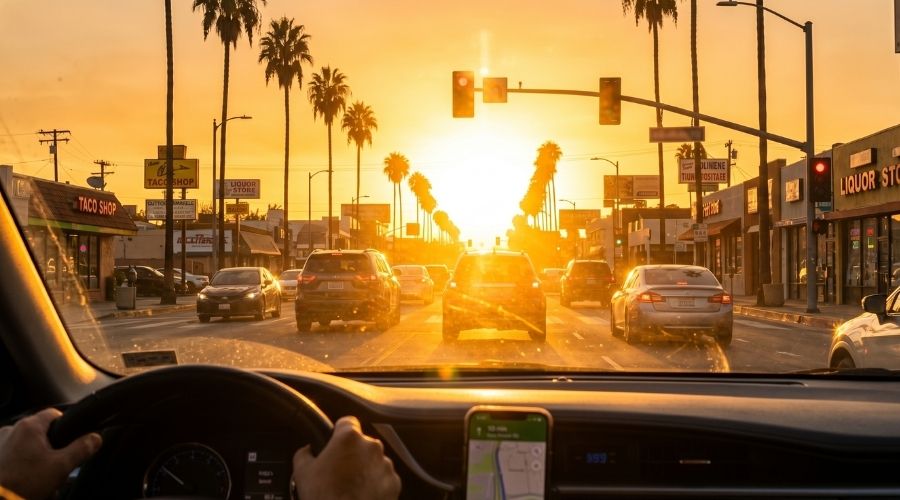
Sun Glare Can Be More Dangerous Than Many Drivers Realize
Southern California sunshine may seem harmless, but intense glare contributes to many crashes.
During sunrise and sunset, sunlight may temporarily blind drivers.
Sun glare may make it harder to:
- See traffic signals
- Spot pedestrians
- Judge braking distances
- Notice stopped vehicles
Although glare itself is not negligence, drivers are generally expected to adjust by:
- Slowing down
- Using sunglasses
- Maintaining safe following distances
Failing to adapt may still create liability after a crash.
Extreme Heat and Vehicle Problems
California heatwaves may indirectly contribute to accidents.
Extreme temperatures sometimes cause the following:
Tire Blowouts
Overheated tires may fail unexpectedly, especially during highway travel.
Engine Failures
Mechanical breakdowns may increase in hot weather.
Driver Fatigue
Heat exhaustion and dehydration sometimes reduce concentration and reaction times.
Proper vehicle maintenance becomes increasingly important during hotter months.
Who Is Liable in a Weather-Related Car Accident?
One of the biggest misconceptions about weather-related accidents is that no one can be held responsible because “the weather caused it.”
That is not always true.
Weather may contribute to conditions, but drivers still have a duty to operate safely.
Examples of negligence may include:
- Driving too fast in rain
- Following too closely on wet roads
- Failing to use headlights in low visibility
- Distracted driving during poor weather
- Unsafe lane changes during fog or wind
Insurance companies sometimes try to shift blame entirely to weather to reduce payouts.
A proper investigation may reveal driver negligence played a larger role than initially suggested.
What To Do After a Weather-Related Accident
If you are involved in a weather-related crash:
Seek Medical Attention
Even minor accidents may cause hidden injuries.
Take Photos
Document:
- Road conditions
- Visibility
- Weather
- Vehicle damage
Gather Witness Information
Witnesses may help explain driving behavior or dangerous conditions.
Request a Police Report
Official documentation may become valuable later.
Avoid Admitting Fault Too Quickly
Weather may have contributed, but fault is often more complicated than it first appears.
Frequently Asked Questions
Can someone still be liable if weather caused the crash?
Yes. Drivers are expected to adjust behavior for weather conditions.
Is hydroplaning automatically nobody’s fault?
Not necessarily. Speed and driver behavior often matter.
Are weather-related crashes harder to prove?
Sometimes, but evidence and investigation may still establish negligence.
What if multiple vehicles were involved?
Multi-vehicle accidents often involve shared fault questions.
California weather may seem mild compared to other states, but changing road conditions still contribute to serious crashes every year. Rain, fog, smoke, glare, and strong winds all create risks, especially when drivers fail to adapt appropriately.If you were injured in a weather-related accident and are unsure about your legal options, the experienced legal team at Oracle Injury Attorneys can help investigate what happened and determine whether negligence played a role. Contact Oracle Injury Attorneys today for a free consultation and learn how we may help you pursue compensation after a serious crash.