A traumatic brain injury occurs when external trauma disrupts normal brain function through a blow to the head, penetration, or rapid acceleration and deceleration forces. In California legal contexts, these injuries can arise in both workers’ compensation and personal injury cases, creating opportunities for comprehensive recovery.

Traumatic Brain Injury Claims in California Workers’ Comp & Personal Injury
A traumatic brain injury (TBI) occurs when external trauma disrupts normal brain function through a blow to the head, penetration, or rapid acceleration or deceleration forces. In California, TBIs arise in both workers’ compensation and personal injury cases, creating multiple potential pathways to compensation.
At Oracle Law Firm | Accident & Injury Attorneys, we commonly handle traumatic brain injuries caused by falls from scaffolding, freeway crashes, warehouse accidents, and other high-impact events across Orange County, and the Inland Empire.
California law provides two primary compensation systems for TBI victims:
- Workers’ compensation when the injury occurs on the job
- Personal injury claims when someone else’s negligence contributed to the accident
Many clients may qualify for both claims simultaneously—dramatically increasing their compensation potential.
TBIs can occur even without visible head wounds. The brain can sustain serious internal damage from violent shaking or rapid movement inside the skull. Even concussions—classified medically as mild TBIs—can justify significant compensation when they cause lasting symptoms such as headaches, memory issues, or mood changes.
California’s legal system recognizes that brain injuries often produce lifelong effects. Whether dealing with emergency care, months of rehabilitation, or permanent disability, both workers’ compensation and personal injury systems aim to provide the financial support injured workers and accident victims need.
Common Causes of Work-Related and Third-Party TBI in California
California workers face a high risk of TBI across construction, transportation, logistics, manufacturing, agriculture, and corporate environments. Knowing the cause of the injury is essential because many situations qualify for both workers’ compensation and third-party personal injury claims.
Frequent work-related causes include:
- Falls from heights at construction sites in Los Angeles or San Jose
- Being struck by falling inventory in Southern California warehouses
- Equipment malfunctions in Central Valley manufacturing plants
- Violence or assaults involving healthcare or security employees
- Traffic accidents involving delivery drivers or transportation workers
- Job-related head trauma that requires careful documentation for workers’ comp
Common third-party negligence scenarios include:
- Rideshare collisions on the 405 or I-5 involving on-the-clock drivers
- Defective hard hats, fall-protection systems, or machinery
- Dangerous property conditions at stores, offices, or commercial properties
- Subcontractor negligence at multi-employer worksites
- Motor vehicle collisions caused by negligent third parties during work duties
Brain injuries do not require a direct blow. A rear-end collision may cause the brain to move violently inside the skull, while industrial blast waves can cause TBI without external trauma.
Statistically, young construction workers and older healthcare workers face higher TBI risks due to strenuous environments and vulnerability to falls.
Types and Symptoms of TBI: Why They Matter Legally
Documenting the type and severity of a traumatic brain injury directly impacts:
- Workers’ compensation permanent disability ratings
- Personal injury settlement values
- Long-term medical requirements and disability evaluations
Mild TBI / Concussion
Symptoms may include headache, confusion, light sensitivity, sleep issues, and cognitive “fog.” Even mild TBIs can justify significant compensation when symptoms persist.
Moderate TBI
Loss of consciousness up to 24 hours, memory gaps, behavioral changes, and cognitive impairments. These cases typically involve long-term medical care and wage loss.
Severe TBI
Extended unconsciousness or coma, intensive care, motor deficits, and permanent impairment. Severe TBIs often lead to lifelong dependency and result in high-value settlements.
Common Symptom Categories
- Cognitive: Memory problems, concentration issues, slowed processing
- Emotional: Irritability, depression, anxiety, personality changes
- Physical: Dizziness, headaches, balance issues, seizures, fatigue
Daily symptom journals are powerful evidence in California cases and help overcome insurance company skepticism.

California Workers’ Compensation Benefits for Traumatic Brain Injury
Under California’s Labor Code, most employers must carry workers’ compensation insurance providing no-fault benefits when employees sustain work-related brain injuries. This comprehensive system ensures immediate care and financial support regardless of who caused the accident.
Medical Treatment Benefits: All reasonable and necessary care including emergency room visits, MRIs, neurology consultations, cognitive rehabilitation, medications, psychological counseling, and follow-up treatments. Care typically occurs through medical provider networks subject to utilization review processes that may require approval for expensive treatments. Workers’ compensation plays a crucial role in covering medical expenses related to traumatic brain injuries, providing financial support for both immediate and ongoing treatment needs. Medical bills can be a significant financial burden, and workers’ compensation aims to address these costs for injured employees.
Temporary Disability (TD) Benefits: Wage replacement at approximately two-thirds of the injured worker’s average weekly wage, up to state maximums that change annually (currently around $1,600 weekly). These payments continue while the worker cannot perform regular duties or remains on reduced work capacity due to brain injury symptoms.
Permanent Disability (PD) Benefits: Compensation based on physician impairment ratings under AMA Guides, adjusted for age and occupation factors. Brain injuries often involve combined cognitive, psychiatric, and physical impairments that can significantly increase disability percentages and corresponding benefit amounts. Permanent disability benefits provide financial compensation to workers whose injuries result in long-term or permanent disabilities, with the amount influenced by the severity of the disability, the worker’s occupation, and age.
Supplemental Job Displacement Benefits (SJDB): Vouchers up to $6,000 for retraining or skill enhancement when employers cannot offer suitable work within medical restrictions. This benefit helps brain injury survivors transition into appropriate roles that accommodate their new limitations.
Additional Benefits: Serious brain injury cases may qualify for lifetime medical coverage, ensuring ongoing care without financial barriers. Medical costs in these cases include both immediate and future expenses related to the injury. If workplace traumatic brain injuries result in death, dependents receive death benefits and burial expenses calculated as multiples of monthly earnings. For severe TBI recovery, long-term rehabilitation services such as speech therapy are often crucial alongside physical and occupational therapy.
The workers’ compensation system provides immediate financial security while injured workers focus on medical recovery. However, these benefits represent only baseline protection, and additional compensation may be available through personal injury claims against negligent third parties.

When a Traumatic Brain Injury Case Is Also a Personal Injury Case (Third-Party Claims)
California law frequently allows injured workers to pursue both workers’ compensation benefits and separate personal injury claims against negligent third parties. If your traumatic brain injury was caused by third-party negligence, pursuing a personal injury claim is crucial to ensure you are fully compensated for all damages not covered by workers’ compensation. Oracle Law Firm routinely coordinates these parallel legal strategies to maximize client recovery beyond standard workers’ compensation limits.
Understanding the California TBI Workers’ Comp Claims Process
A typical brain injury claim unfolds through specific stages that begin the moment workplace trauma occurs. Understanding the workers compensation process—a formal legal procedure for filing and resolving workplace injury claims—helps avoid costly mistakes that can reduce benefit entitlements by thousands of dollars.
Immediate steps following workplace head trauma:
- Report injury in writing to supervisors within 30 days of the incident or discovery of symptoms
- Request and complete DWC-1 claim forms provided by employers
- Seek prompt medical attention to ensure proper diagnosis, prevent complications, and support your claim. Immediate medical attention after a brain injury is critical to prevent serious health consequences and to ensure your injury is properly documented for legal or insurance purposes.
- Insist on prompt medical evaluation to document injury severity and treatment needs. Medical evaluations are essential for assessing the extent of your injury, estimating long-term costs, and supporting fair settlement amounts.
- Preserve evidence including incident reports, witness information, and safety documentation
Waiting to report injuries undermines both medical recovery prospects and claim credibility. Insurance companies scrutinize delayed reporting as evidence that injuries weren’t work-related or weren’t serious enough to merit immediate attention.
Insurance company obligations:
Insurers must investigate claims, accept or deny within specified timeframes, and provide up to statutory amounts in medical care while claims remain under review. However, brain injury cases face frequent challenges because symptoms often appear subjective to adjusters unfamiliar with neurological conditions.
Common dispute areas:
- Whether workers actually suffered traumatic brain injuries versus minor bumps
- Causation questions linking symptoms to workplace incidents versus pre-existing conditions
- Allegations that injuries occurred during personal activities rather than work duties
- Disagreements over work capacity and return-to-duty medical restrictions
For individuals who suffer head injuries at work, proper legal representation is crucial to secure settlements that cover medical expenses, lost wages, and potential lifelong care needs.
Workers’ Compensation Appeals Board (WCAB) hearings:
When disputes cannot be resolved through negotiation, formal hearings occur before administrative judges in cities like Anaheim, Santa Ana, and Los Angeles. Oracle Law Firm prepares clients for testimony and presents medical and lay witness evidence proving the full impact of brain injuries on work capacity and daily functioning.
Successful navigation requires understanding both medical and legal aspects of brain injury claims, making experienced legal representation essential for optimal outcomes.
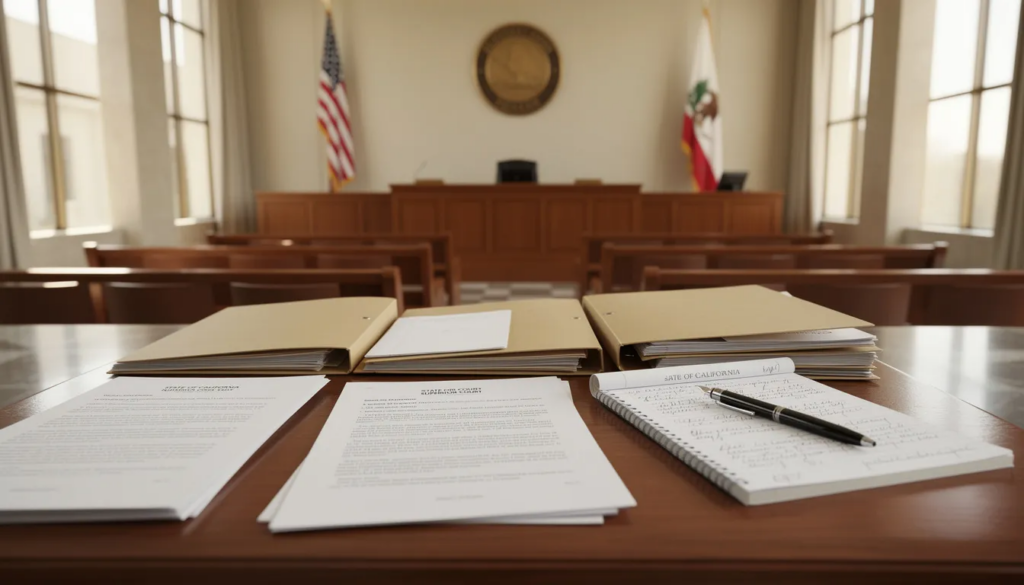
How Oracle Law Firm | Accident & Injury Attorneys Build Strong TBI Claims
At Oracle Law Firm, we approach traumatic brain injury cases through comprehensive investigation and strategic case development that addresses both immediate needs and long-term consequences. As a leading traumatic brain injury attorney, our firm has extensive expertise in representing TBI victims and guiding them through the complexities of traumatic brain injury claims in California workers comp pi. Our systematic methodology maximizes compensation while protecting clients’ legal rights throughout complex claim processes.
Investigative approach:
We obtain complete incident documentation including Cal/OSHA reports, surveillance footage, electronic data from vehicles or machinery, and detailed witness statements from coworkers and supervisors. Reconstructing exactly how brain injuries occurred provides crucial foundation evidence for both workers’ compensation and personal injury claims.
Medical expert collaboration:
Our legal team works closely with medical professionals such as neurologists, neuropsychologists, neurosurgeons, vocational rehabilitation experts, and life-care planners who provide detailed reports and testimony regarding cognitive deficits, work capacity limitations, and lifetime care cost projections. This expert network ensures comprehensive documentation of injury impacts.
Damage calculation methodology:
We carefully model future medical expenses, wage loss calculations over remaining work life expectancy, and non-economic damages including chronic pain, personality changes, and family relationship strain. Combined workers’ compensation and personal injury cases require sophisticated analysis to maximize total recovery while managing lien obligations.
Negotiation and trial preparation:
Oracle Law Firm negotiates aggressively with both workers’ compensation carriers and liability insurers, but we also prepare every case for potential trial or WCAB hearings. Our traumatic brain injury lawyers bring specialized expertise to every stage, ensuring that insurance companies recognize our thorough case preparation and willingness to take cases before judges and juries, which often results in higher settlements.
Our experience handling California brain injury cases across multiple jurisdictions provides valuable insight into local court preferences, judge tendencies, and jury attitudes that influence case strategy and settlement negotiations. Working with an experienced brain injury lawyer is essential to secure the compensation you deserve.

Long-Term Effects of TBI and How They Influence California Claims
Traumatic brain injuries often create lifelong conditions requiring decades of ongoing care and support. These injuries can have life altering consequences, fundamentally changing a person’s quality of life and daily functioning.
Cognitive and occupational consequences:
Many brain injury survivors cannot multitask effectively, process information at previous speeds, or handle complex decision-making responsibilities. Heavy equipment operators may lose commercial driving privileges, while ICU nurses might be unable to handle emergency situations requiring split-second judgments. These functional limitations directly impact permanent disability ratings and earning capacity expert analyses.
Emotional and relational impacts:
Depression, anxiety, irritability, and personality changes commonly follow traumatic brain injuries. These symptoms strain marriages, affect parenting capabilities, and reduce quality of life in measurable ways. Spouse and family testimony often proves crucial in WCAB trials and civil jury cases, demonstrating real-world impacts beyond medical test results.
Comprehensive care requirements:
Serious brain injuries frequently necessitate assistive devices, home modifications, attendant care services, and extensive vocational retraining. Thorough life-care plans developed by rehabilitation specialists help justify higher settlement demands or court awards by documenting specific future needs and associated costs.
Financial planning considerations:
Catastrophic cases may require structured settlements ensuring lifetime income streams and continued medical care access. This approach becomes particularly important when injured workers lose employer-sponsored health insurance coverage following their injuries.
California’s legal framework recognizes that brain injury consequences extend far beyond initial medical treatment, making comprehensive damage assessment essential for adequate compensation.
Oracle Law Firm | Accident & Injury Attorneys | Make Pain Pay
Oracle Law Firm represents TBI victims throughout California, providing:
- Expert coordination of workers’ comp + PI dual claims
- No-upfront-cost representation
- Home and hospital visits for severely injured clients
- Access to leading California brain injury specialists
Our attorneys have a strong track record of securing high-value settlements and verdicts for TBI victims across Inland Empire, Orange County, Riverside, San Bernardino, and San Diego counties.
Frequently Asked Questions
Do I have a case if I didn’t lose consciousness or my CT scan was normal?
Many traumatic brain injuries do not involve loss of consciousness and may not appear on CT scans. Brain injury diagnosis often relies on symptom patterns, neuropsychological testing, and clinical medical judgment rather than imaging alone. Cases involving persistent headaches, memory problems, mood changes, or cognitive difficulties can still qualify for significant compensation even with normal initial scans. Advanced imaging like MRI or specialized testing may reveal injuries not visible on emergency CT scans.
How long do I have to file a California workers’ compensation claim for a brain injury?
California workers must generally report workplace injuries within 30 days of the incident or discovery of symptoms and file formal claims within one year of the injury date or last benefit payment. However, brain injury cases may involve delayed symptom onset, potentially extending these deadlines under discovery rules. Third-party personal injury claims typically must be filed within two years of the accident date. Prompt legal consultation helps preserve all available remedies regardless of timing concerns.
Can my employer fire me for filing a TBI workers’ comp claim?
California law strictly prohibits employer retaliation against workers who file workers’ compensation claims or exercise related legal rights. Wrongful termination, discrimination, harassment, or adverse employment actions taken because of brain injury claims violate state labor codes and may result in separate legal remedies including reinstatement, back pay, and additional damages. Workers experiencing retaliation should immediately contact experienced legal counsel to protect their employment and compensation rights.
What if I already had migraines or learning difficulties before the accident?
California workers’ compensation law allows benefits when workplace accidents aggravate or accelerate pre-existing conditions, even if workers had prior health issues. Insurance companies often challenge these cases more aggressively, but Oracle Law Firm gathers comprehensive prior medical records and expert medical opinions to demonstrate how workplace brain trauma worsened existing conditions. The key legal standard focuses on whether work activities contributed to current symptoms and limitations, not whether workers had perfect health before their accidents.
How soon should I contact a lawyer after a suspected workplace TBI?
Contact an experienced brain injury attorney immediately, ideally within days of the incident, to preserve crucial evidence, coordinate appropriate medical care, and avoid potentially damaging statements to insurance companies. Early legal intervention helps establish proper medical documentation, protects against insurance company tactics, and ensures compliance with strict reporting deadlines. Even if significant time has passed since the injury, consultation remains valuable to assess remaining legal options and potential claim strategies.