What injured visitors should know after a theme park accident in Buena Park and the legal steps that may help protect their rights.
Buena Park is known for entertainment, attractions, and family fun, drawing millions of visitors each year to destinations like Knott’s Berry Farm and nearby amusement venues. While most visits end with memories and excitement, accidents sometimes happen, and when they do, the injuries can be serious.
Theme park injuries may involve ride malfunctions, slip and fall accidents, poor maintenance, inadequate safety procedures, food-related injuries, falling objects, negligent security, or unsafe property conditions. Because theme parks are large commercial properties with extensive legal teams and insurance carriers, injury claims can quickly become more complicated than many people expect.
Many injured visitors are unsure whether they actually have a legal case or assume that signing a ticket waiver automatically prevents them from pursuing compensation. In reality, California law may still allow injured individuals to seek recovery when negligence contributed to the accident.
If you or a loved one suffered an injury at a theme park in Buena Park, understanding what steps to take immediately afterward may help protect both your health and your potential legal claim.
At Oracle Injury Attorneys, injured visitors often need help navigating complex premises liability claims against large businesses and insurers after serious accidents.
“A theme park ticket does not automatically excuse negligence when unsafe conditions lead to serious injuries.”
Common Types of Theme Park Accidents
Theme parks involve moving rides, crowds, food vendors, water features, and thousands of daily guests, which creates many opportunities for preventable accidents.
Some of the most common causes of injuries include:
Ride Malfunctions or Mechanical Failures
Although rides undergo inspections and maintenance, problems can still occur.
Possible issues include:
- Faulty restraints
- Sudden ride stops
- Mechanical breakdowns
- Operator mistakes
- Improper maintenance
Even smaller ride issues may cause whiplash, back injuries, concussions, or fractures.
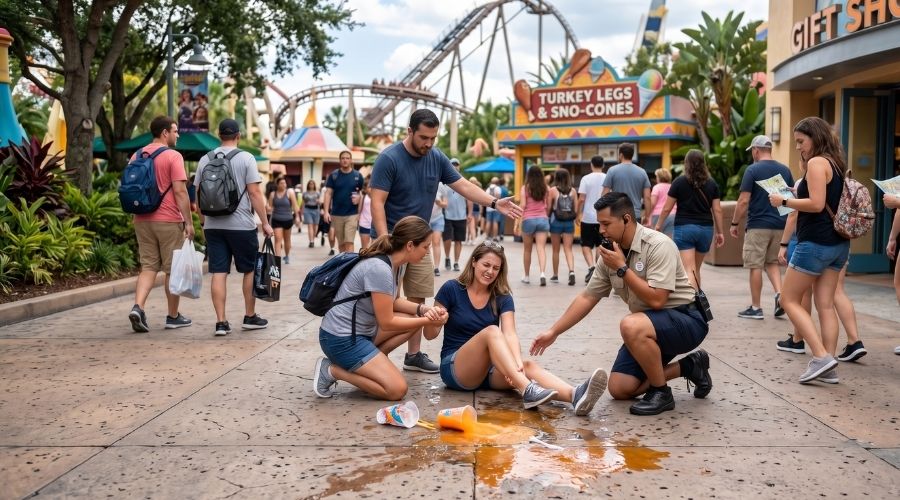
Slip and Fall Accidents
Slip and falls are among the most common theme park injuries.
Hazards may include:
- Wet walkways
- Spilled drinks or food
- Uneven pavement
- Poor lighting
- Loose flooring
- Water attraction overspray
Property owners generally have a duty to maintain reasonably safe conditions for visitors.
Inadequate Security
Large crowds sometimes create dangerous situations involving:
- Assaults
- Crowd surges
- Fights
- Poorly supervised areas
If inadequate security contributed to injuries, liability may exist.
Falling Objects or Unsafe Conditions
Decorations, ride components, signs, or poorly maintained structures may sometimes cause injury.
Food-Related Illnesses or Allergic Reactions
Improper food handling or inaccurate allergy information may occasionally result in serious medical situations.
What To Do Immediately After a Theme Park Injury
The steps taken immediately after an accident can significantly affect both medical recovery and a future injury claim.
Seek Medical Attention Right Away
Even if symptoms initially seem minor, medical evaluation is important.
Some injuries, especially concussions, neck trauma, or internal injuries, may not fully appear until later.
Prompt medical care also creates important documentation linking the injury to the incident.
Report the Incident to Theme Park Staff
Notify management or staff immediately.
Ask for an incident report to be created.
When possible:
- Request a copy
- Write down employee names
- Note exact locations
- Record the time of the incident
Many parks maintain internal reporting systems.
However, reporting the incident does not mean the park automatically accepts responsibility.
Take Photos and Videos
Evidence disappears quickly.
If possible, photograph:
- The accident location
- Hazardous conditions
- Ride equipment
- Warning signs (or lack thereof)
- Visible injuries
Photos often become valuable evidence later.
Gather Witness Information
Other guests or employees may have seen what happened.
Try to collect:
- Names
- Phone numbers
- Brief statements about what they observed
Witnesses may later help support disputed facts.
Avoid Signing Documents Too Quickly
In some situations, businesses or insurers may request statements or documents.
Be cautious before agreeing to anything that may affect your rights.
“Large businesses often begin protecting themselves immediately after an accident, which is why preserving evidence early matters.”
Can You Sue a Theme Park in California?
Possibly, yes.
Theme parks generally owe visitors a duty of care to maintain reasonably safe premises.
A claim may exist if negligence contributed to the injury.
Examples of negligence may include:
- Poor maintenance
- Failure to repair hazards
- Inadequate inspections
- Improper employee training
- Failure to warn about known dangers
- Unsafe crowd control
However, simply getting hurt at a theme park does not automatically mean the park is legally responsible.
Evidence must typically show that negligence played a role.
California’s comparative negligence laws may also affect claims if the injured person is alleged to share fault.
What Compensation May Be Available?
Depending on the circumstances, injured victims may pursue compensation for the following:
Medical Bills
Emergency care, surgeries, rehabilitation, physical therapy, and ongoing treatment.
Lost Income
If injuries prevent returning to work, compensation may help cover missed earnings.
Pain and Suffering
Injuries often affect emotional well-being, daily activities, and overall quality of life.
Future Medical Expenses
Some injuries require long-term treatment or rehabilitation.
Permanent Disability or Impairment
Severe injuries may result in lasting limitations.
Every case depends on the severity of injuries and available evidence.
Challenges With Theme Park Injury Claims
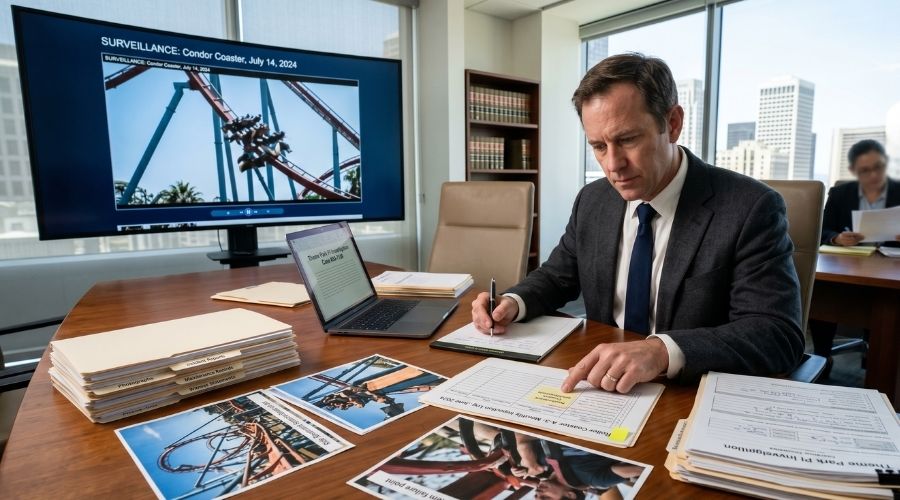
Claims involving major attractions often become more difficult because parks typically have:
- Large insurance companies
- Corporate legal teams
- Surveillance systems
- Internal investigators
Businesses may argue:
- The injury was unavoidable
- Proper warnings existed
- The guest ignored instructions
- The hazard was obvious
This is one reason evidence becomes especially important in premises liability claims.
Frequently Asked Questions
Can I still file a claim if I signed a waiver?
Possibly. Waivers do not automatically eliminate liability when negligence exists.
What if my child were injured at a theme park?
Parents may often pursue legal claims on behalf of injured minors.
How long do I have to file a claim?
California deadlines vary depending on the circumstances.
What if I slipped and fell at a theme park?
You may still claim unsafe conditions contributed to the accident.
A trip to a theme park should be about making memories, not dealing with medical bills, missed work, and painful injuries. When negligence contributes to an accident, understanding your legal options becomes important, especially when facing large corporations and insurance companies.If you or a loved one suffered an injury at a theme park in Buena Park, the experienced legal team at Oracle Injury Attorneys can help investigate what happened and explain your legal options. Contact Oracle Injury Attorneys today for a free consultation and learn whether you may claim a theme park injury.