Personal Injury · California Law
The Most Overlooked Injuries After a Rear-End Collision
What you don’t feel right away can still cost you everything — and California law has a deadline.
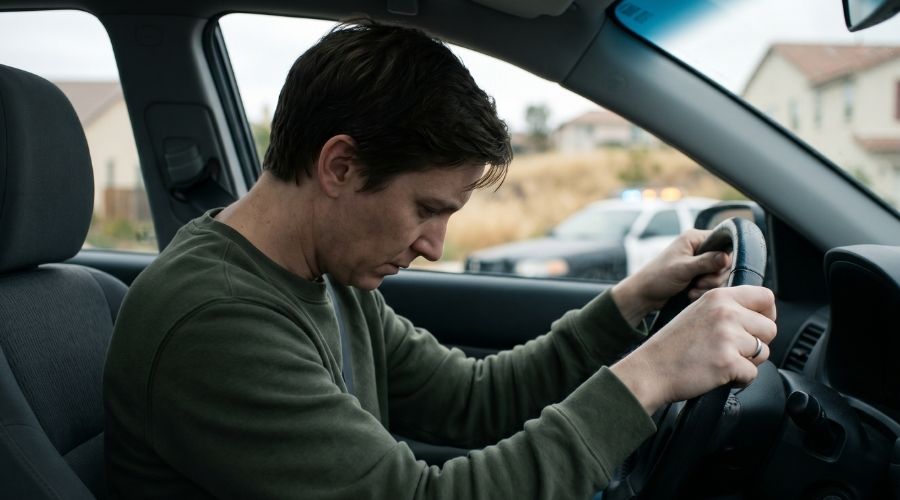
You walk away from the accident. The other driver apologizes. You feel shaken but okay — so you wave it off, skip the emergency room, and go home. Three days later, you can barely turn your head.
Rear-end collisions are one of the most common types of traffic accidents in California, and they are routinely underestimated. The sudden, forceful impact can set off a chain of physical responses that your body masks with adrenaline — sometimes for hours, sometimes for days. By the time symptoms emerge, the connection to the crash may feel less obvious, which can seriously complicate both your medical treatment and any legal claim you may have.
At Oracle Law Firm, our accident and injury attorneys have seen firsthand how delayed symptoms derail otherwise strong cases — simply because victims didn’t know what to look for, or waited too long to seek help. This article is designed to change that.
Why symptoms are often delayed
Immediately after a collision, your body floods with adrenaline and cortisol. These stress hormones act as natural painkillers — suppressing the signals your nervous system would otherwise send to tell you something is wrong. This is not weakness or imagination. It is biology, and it is well-documented in trauma medicine.
Soft tissue injuries tend to worsen over the 24 to 72 hours following impact as inflammation builds around damaged structures. Neurological injuries can be even more insidious, presenting subtly at first and intensifying over weeks.
A note from Oracle Law Firm: In California, the statute of limitations for personal injury claims is generally two years from the date of the accident. However, medical documentation gathered early — ideally within 72 hours — is far stronger evidence than records created weeks later. Insurance adjusters will use gaps in care against you. Our attorneys can help you build a timeline that protects your claim from day one.
Six injuries you may not notice at first
Whiplash and soft tissue damage
Whiplash is the most recognized rear-end injury, yet it remains consistently underestimated. The rapid back-and-forth motion of your neck during impact can overstretch muscles, tendons, and ligaments without immediately causing pain. Symptoms — stiffness, headaches, reduced range of motion, and shoulder aching — often peak 24 to 48 hours after the crash. Left untreated, whiplash can develop into a chronic condition that disrupts daily function for months.
Traumatic brain injury (TBI) and concussion
Your brain does not need to strike a surface to sustain injury. The rapid acceleration and deceleration of your skull can cause your brain to shift inside the cranial cavity, damaging neural tissue. Mild TBI may present as subtle cognitive fog, light sensitivity, irritability, sleep disruption, or difficulty concentrating — symptoms easy to attribute to stress, which is why they so often go undiagnosed until they become severe.
Herniated or bulging discs
The vertebral discs cushioning the bones of your spine are vulnerable to sudden compressive force. A rear-end impact can push disc material outward — or rupture it entirely — in ways that may not cause immediate pain. As surrounding tissue swells in the days following the crash, displaced disc material may begin pressing on spinal nerves, producing radiating pain, numbness, or tingling through the neck, shoulders, arms, back, or legs.
Post-traumatic stress disorder (PTSD)
Psychological injury is real, documentable, and fully compensable under California law — yet it is the injury people are least likely to report. PTSD following a collision can manifest as driving anxiety, intrusive memories, heightened startle responses, avoidance behaviors, and persistent emotional distress. Oracle Law Firm regularly works with clients whose psychological suffering was not accounted for in an early settlement — and who had no legal recourse afterward.
Internal injuries and organ damage
Seatbelt restraint — which saves lives — can also cause significant blunt force trauma to the chest and abdomen. Bruising to internal organs, laceration of the spleen or liver, and internal bleeding do not always produce visible external signs. Symptoms such as abdominal tenderness, dizziness, unexplained fatigue, or dark bruising appearing a day or two after the crash should be treated as medical emergencies requiring immediate evaluation.
Facet joint injuries
The small joints connecting adjacent vertebrae — known as facet joints — can be sprained or badly irritated by the jolt of a rear-end collision. Unlike herniated discs, facet joint injuries are rarely visible on standard MRI or CT imaging, making them notoriously difficult to diagnose and easy for insurers to dispute. A qualified spine specialist using targeted diagnostic injections may be necessary to confirm the injury and create the medical record your claim requires.
What California law allows you to recover
If another driver’s negligence caused your rear-end collision, California law entitles you to pursue compensation for all injury-related losses — including those that emerge after the date of the crash. This encompasses medical expenses (past and future), lost wages, diminished earning capacity, pain and suffering, and emotional distress.
California follows a pure comparative fault standard, meaning you can recover damages even if you were partially at fault, though your compensation is reduced proportionally to your share of responsibility. The attorneys at Oracle Law Firm are experienced in navigating comparative fault disputes and maximizing recovery for our clients.
Do not accept a quick settlement before you have a full picture of your injuries. Insurance companies often contact accident victims early — while symptoms are still developing — and offer settlements that close out your claim before the true extent of your injuries is known. Once you sign a release, you typically cannot reopen the claim. Oracle Law Firm offers free consultations precisely to help you avoid this outcome.
Steps to take after a rear-end collision in California
Seek medical attention within 24 to 72 hours. Even if you feel fine, a physician can document the baseline state of your body, order appropriate imaging, and establish a medical record tied directly to the date of the accident — the foundation of any future claim.
Follow through with all recommended treatment. Gaps in medical care can be interpreted by insurers as evidence that your injuries were not serious. Consistency in treatment strengthens your case significantly.
Keep detailed records. Save all medical bills, prescription receipts, and documentation of time missed from work. A daily symptom journal gives our legal team at Oracle Law Firm what it needs to build a complete picture of your damages.
Do not give recorded statements to the at-fault driver’s insurer without speaking to an attorney first. Statements made early — before you fully understand your injuries — can be used to minimize or deny your claim.
Contact Oracle Law Firm. Our personal injury attorneys work on a contingency basis: you pay nothing unless we recover compensation for you. There is no risk to reaching out, and every day you wait is a day your evidence grows harder to preserve.

Injured in a rear-end collision? Oracle Law Firm can help.
Our California accident and injury attorneys offer free, no-obligation consultations. We handle the legal complexity so you can focus on recovering. No fees unless we win.
Frequently Asked Questions
How long after a rear-end collision can injuries appear?
Some injuries may not show symptoms immediately. Conditions like whiplash, concussions, herniated discs, and soft tissue damage can take hours or even days to fully develop after a rear-end collision.
Should I see a doctor even if I feel fine after the accident?
Yes. Adrenaline can temporarily mask pain after a crash. Seeking medical attention quickly helps identify hidden injuries and creates medical documentation that may support your personal injury claim.
Can I still recover compensation if my symptoms appeared days later?
Yes. California law allows accident victims to pursue compensation for injuries that develop after the collision, as long as there is evidence connecting the injuries to the crash.
What damages can I recover after a rear-end accident in California?
You may be able to recover compensation for medical bills, lost wages, future treatment costs, pain and suffering, emotional distress, and reduced earning capacity.
Why should I avoid accepting an early insurance settlement?
Insurance companies often make quick settlement offers before the full extent of your injuries is known. Once you sign a release, you usually cannot seek additional compensation later if your condition worsens.
This article is provided for general informational purposes only and does not constitute legal advice. Reading this content does not create an attorney-client relationship with Oracle Law Firm.