Being injured in an Uber or Lyft in California can feel overwhelming. With millions of rideshare trips happening each day statewide, accidents involving rideshare drivers occur more often than many realize. When sudden injuries lead to medical bills, lost income, and pain, knowing how to protect your rights becomes essential — especially when dealing with personal injury in California.
California’s laws designed for rideshare passengers involve multiple insurance layers, fault investigations, and strict timelines that can significantly affect your recovery. Whether you were hurt as a passenger, struck by a rideshare vehicle, or involved in a crash while using the service, the right steps can make a major difference in your future financial outcome.
We will explain what to do after the crash, how insurance coverage works in California, and how to strengthen your claim to help ensure you receive fair compensation.

Immediate Steps to Take After Your Rideshare Accident
Taking quick action supports your claim and protects your health:
- Call 911 to report the crash and get medical help.
- Move to safety and check for injuries.
- Document everything — take photos of the vehicles, injuries, location, road signs, and traffic.
- Report the incident in the Uber or Lyft app to activate insurance coverage.
- Get contact information from drivers, passengers, and witnesses.
- Seek medical care right away — delayed symptoms are common.
- Avoid admitting fault or making recorded statements before speaking with an attorney.
Oracle Law Firm | Accident & Injury Attorneys can communicate with insurers on your behalf to prevent your words from being used against you.
Understanding California Rideshare Insurance Coverage
California requires rideshare companies like Uber and Lyft to carry $1 million in liability insurance when a passenger is in the vehicle. This coverage can pay for:
- Medical expenses
- Lost wages
- Pain and suffering
- Property damage
There is also $1 million in uninsured/underinsured motorist coverage, which is crucial if the at-fault driver has limited insurance.
Your own auto or health insurance may also contribute depending on the circumstances.
Because several policies can overlap, proper claim handling is key to maximizing compensation.
Determining Fault and Liability in Your California Rideshare Accident
Establishing liability in a rideshare accident requires careful analysis of all contributing factors and parties involved. California’s comparative negligence system allows you to recover compensation even if you bear partial responsibility for the accident, though your recovery is reduced by your percentage of fault.
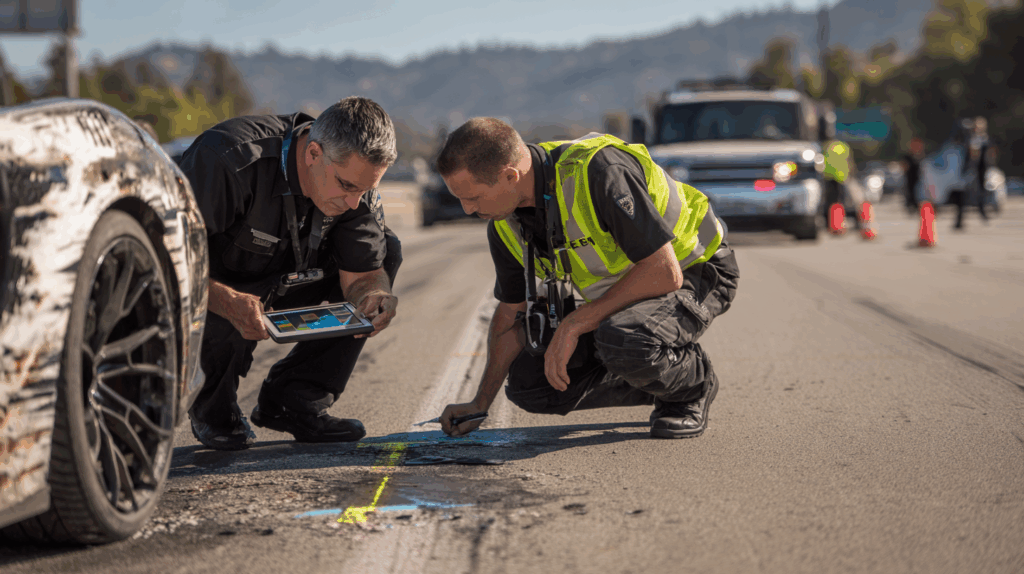
Multi-Party Analysis: liability coverage investigations must examine whether the uber or lyft driver, another motorist, pedestrians, cyclists, or multiple parties contributed to causing the crash. Professional accident reconstruction specialists often reveal contributing factors that aren’t immediately apparent, such as driver fatigue, distracted driving, mechanical failures, or poor road conditions.
Evidence Gathering: Determining fault requires comprehensive evidence collection including the police report, witness statements, traffic camera footage, driver’s rideshare app data, cell phone records, and vehicle maintenance records. The driver’s status at the time of the accident – whether they were en route to pick up passengers, actively transporting riders, or driving for personal purposes – significantly impacts which insurance policies apply.
California’s Comparative Fault Rule: Under California law, even if you contributed to the accident, you can still seek compensation from other responsible parties. For example, if you’re found 20% at fault for the accident, you can still recover 80% of your total damages from the other parties responsible for the crash.
When the Rideshare Driver Causes Your Injuries
When the uber or lyft driver is determined to be at fault for your injuries, the company’s comprehensive insurance coverage typically provides the primary source of compensation. The rideshare company’s insurance policy includes $1 million in liability coverage during active rides, which covers medical expenses, lost wages, pain and suffering, and property damage.
Coverage Hierarchy: You typically file claims against the driver’s personal insurance first, with the rideshare company’s insurance serving as backup coverage. However, during active rides, the rideshare company’s insurance often becomes the primary coverage due to the substantial policy limits compared to standard personal auto insurance.
Independent Contractor Status: While uber and lyft drivers are classified as independent contractors rather than employees, this classification doesn’t eliminate the companies’ insurance obligations to injured passengers. The rideshare companies maintain substantial liability coverage specifically to protect passengers during rides, regardless of the driver’s employment status.
Comprehensive Damages: When the rideshare driver causes the accident, you can pursue comprehensive compensation including immediate and future medical expenses, rehabilitation costs, lost wages and reduced earning capacity, pain and suffering, and property damage. The $1 million coverage limit typically provides sufficient resources to cover serious injuries without forcing victims to exhaust personal insurance policies.
When Another Driver Causes the Rideshare Accident
When a third-party driver causes the uber or lyft accident, you have multiple potential sources of compensation, creating opportunities for full recovery even when the at fault driver has minimal insurance.
Primary Claims Against At-Fault Driver: You can pursue compensation directly from the responsible driver’s personal insurance. However, California’s minimum liability coverage requirements of $15,000 per person are often insufficient for serious injuries, creating significant coverage gaps.
Rideshare UM/UIM Coverage: Uber and lyft’s uninsured/underinsured motorist coverage becomes crucial when the at fault driver’s insurance is inadequate. This coverage can provide up to $1 million to bridge the gap between the other driver’s insufficient insurance and your actual damages.
Strategic Claim Management: When multiple insurance policies are involved, proper claim management becomes essential for maximizing recovery. Filing claims in the correct order and coordinating between insurance companies requires understanding each policy’s terms, coverage limits, and potential conflicts between insurers.
Comprehensive Recovery Options: The combination of the at fault driver’s insurance and rideshare UM/UIM coverage often enables full compensation even in severe accident cases where medical expenses and lost wages exceed standard insurance limits.
Types of Compensation Available to Injured Passengers in California
California law provides comprehensive compensation options for injured passengers in uber or lyft accidents, covering both economic and non-economic damages through various insurance sources and legal remedies.
Medical Expenses: Full compensation for all reasonable and necessary medical treatment including emergency room care, surgery, hospitalization, rehabilitation, physical therapy, prescription medications, medical equipment, and ongoing care. California Civil Code Section 3333 ensures recovery for both past medical expenses and reasonably anticipated future medical costs based on expert medical testimony.
Lost Wages and Earning Capacity: Compensation for income lost due to inability to work during recovery, reduced earning capacity from permanent disabilities, lost opportunities for career advancement, and benefits lost due to extended absence from work. Economic experts often calculate lifetime earning losses for permanently disabling injuries.
Pain and Suffering: Non-economic damages compensating for physical discomfort, emotional distress, mental anguish, loss of enjoyment of life, and reduced quality of life resulting from the accident. California places no statutory caps on pain and suffering awards in most personal injury cases, allowing juries to determine appropriate compensation based on the severity and impact of injuries.
Property Damage: Compensation for personal items damaged in the crash including clothing, electronics, luggage, and other personal property. While often relatively minor compared to bodily injury claims, property damage compensation ensures you don’t bear these additional costs.
Future Damages: Expert projections of long term medical costs, ongoing care requirements, future lost income, and permanent lifestyle modifications required due to the injuries. These forward-looking damages often represent the largest component of serious injury settlements.
Punitive Damages: In cases involving particularly egregious conduct such as drunk driving or reckless behavior, California law allows punitive damages designed to punish the wrongdoer and deter similar future conduct.
California’s Two-Year Deadline for Rideshare Injury Claims
California’s statute of limitations creates a strict two-year deadline for filing personal injury lawsuits stemming from rideshare accidents, making prompt action essential for protecting your legal rights and preserving your ability to recover compensation.
Lawsuit Filing Deadline: You must file any personal injury lawsuit within two years of the accident date. Missing this deadline typically results in permanent loss of your right to pursue compensation through the court system, regardless of the strength of your case or severity of your injuries.
Insurance Claims Timeline: While insurance claims don’t face the same strict deadline as lawsuits, filing promptly preserves crucial evidence and witness testimony. Insurance companies often use delays in reporting as grounds for questioning the validity or severity of claimed injuries.
Evidence Preservation: Early action ensures critical evidence remains available including accident scene conditions, vehicle damage, surveillance footage, witness memories, and driver app data. This evidence often degrades or disappears over time, weakening claims filed months after accidents occur.
Medical Documentation: Prompt medical attention and consistent treatment create stronger medical records that support your injury claims. Gaps in treatment or delayed medical care provide insurance companies with arguments that injuries weren’t serious or weren’t caused by the accident.
Legal Consultation Benefits: Early consultation with experienced rideshare accident attorneys helps identify all potential sources of compensation, ensures proper claim procedures are followed, and prevents strategic mistakes that could jeopardize your recovery.
Common Challenges in California Rideshare Accident Claims
Rideshare accident claims present unique challenges that distinguish them from standard auto accident cases, requiring specialized knowledge and strategic approaches to overcome common obstacles encountered during the claims process.
Insurance Company Tactics: Insurance companies often attempt to minimize settlements through various strategies including questioning the severity of injuries, disputing medical necessity of treatments, arguing that pre-existing conditions caused symptoms, offering quick but inadequate settlements before the full extent of injuries is known, and using recorded statements to find inconsistencies that support claim denials.
Complex Coverage Determinations: Determining which insurance policies apply requires analyzing the driver’s status at the time of the accident, whether they were logged into the rideshare app, if they had accepted a ride request, and whether passengers were in the vehicle. These determinations significantly impact available coverage amounts and claim procedures.
Limited Access to Information: Rideshare companies often restrict access to driver app data, internal accident reports, driver background information, and vehicle maintenance records. This information can be crucial for establishing liability and supporting injury claims, but obtaining it typically requires legal action and formal discovery procedures.
Arbitration Clauses: User agreements for uber and lyft often include arbitration clauses that may limit your ability to file lawsuits and require disputes to be resolved through binding arbitration rather than traditional court proceedings. Understanding these clauses and potential exceptions becomes essential for protecting your legal rights.
Corporate Legal Teams: Uber and lyft employ sophisticated legal departments dedicated to minimizing liability and reducing settlements. These corporate legal teams have extensive experience in rideshare accident claims and use this expertise to protect company interests, often at the expense of injured passengers seeking fair compensation.
Driver Status Disputes: Rideshare companies may argue that drivers were acting outside the scope of their rideshare activities to avoid coverage obligations. These disputes can significantly delay claims resolution and require detailed investigation of driver activities and app usage at the time of the accident.

Why Work With Oracle Law Firm | Accident & Injury Attorneys
Our experienced legal team:
- Identifies all possible sources of compensation
- Handles communication and negotiation with insurers
- Collects medical and expert evidence to prove damages
- Fights to prevent lowball settlement offers
- Only gets paid if you win — no upfront fees
We advocate aggressively for injured passengers across California to ensure they receive full and fair compensation.
Protect Your Right to Compensation
Avoid:
- Quick settlement offers intended to close the claim cheaply
- Gaps in medical treatment
- Recorded statements with insurers
- Waiting too long to seek legal help
Your financial future and recovery should not be jeopardized by insurance tactics.
Contact us for a free consultation, or get answers to your questions.
Frequently Asked Questions
Who pays for my injuries if I’m hurt in an Uber or Lyft accident in California?
In most cases, Uber or Lyft’s $1 million insurance policy covers injured passengers during an active ride. If another driver caused the accident, their insurance pays first, and rideshare UM/UIM coverage can cover the remaining damages. Your own health or auto insurance may also apply depending on the situation.
Can I file a claim against Uber or Lyft directly after a rideshare accident?
Typically, passengers file claims through the rideshare company’s insurance rather than suing Uber or Lyft directly. Because drivers are independent contractors, lawsuits against the platform itself can be complex, but claims involving negligence, poor driver vetting, or unsafe practices may create grounds for direct action.
How long do I have to file a rideshare injury claim in California?
California’s statute of limitations gives injured passengers two years from the date of the accident to file a personal injury lawsuit. Acting early is essential for preserving evidence, securing witnesses, and preventing delays that insurers may use to weaken your claim.
What compensation can I receive after an Uber or Lyft accident?
Injured passengers may recover medical expenses, lost wages, reduced earning capacity, pain and suffering, property damage, and long-term future costs. In cases involving DUI or reckless driving, punitive damages may also apply.
Do I need a lawyer for an Uber or Lyft accident claim?
While not required, an attorney can protect your rights from insurance tactics, identify all available coverage, gather crucial evidence, and negotiate for full compensation. Rideshare claims involve multiple insurers and complex coverage layers, making legal representation extremely valuable.