Getting hit by another driver is traumatic enough on its own. Discovering that driver has no insurance can make an already devastating situation feel completely hopeless. If you have been injured by an uninsured driver in Garden Grove, you need to know one thing immediately: you are not out of options. California law and several legal strategies exist specifically to help injured victims recover compensation even when the at-fault driver carries no coverage at all.
At Oracle Law Firm, we represent accident victims throughout Garden Grove and Orange County who find themselves in exactly this situation. This guide breaks down every realistic path to compensation available to you so that you can make informed decisions from the moment the accident happens.
How Common Is This Problem in Garden Grove and Orange County?
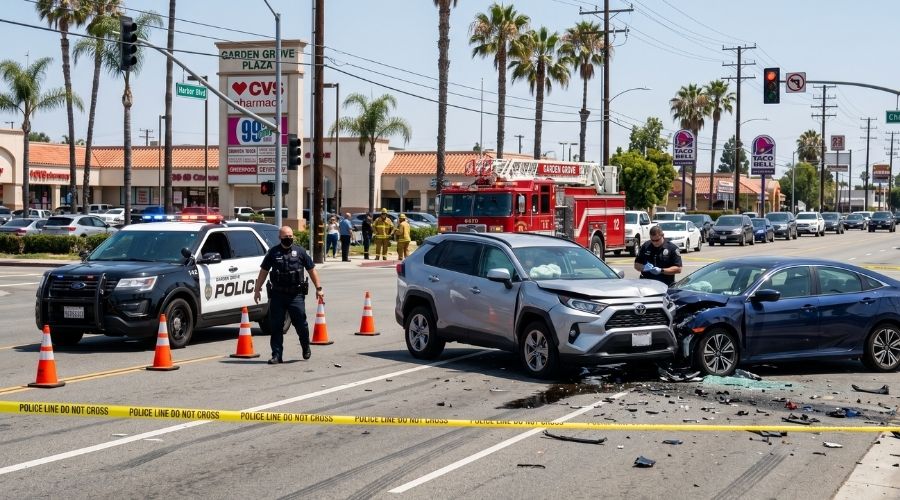
Uninsured driving is not a rare edge case in California — it is a widespread problem. The Insurance Research Council estimates that roughly one in eight drivers nationwide is uninsured at any given time. In California, that number trends higher, and in densely populated urban areas like Garden Grove, the risk of encountering an uninsured motorist on any given drive is statistically meaningful. Garden Grove’s busy corridors — Euclid Street, Brookhurst Street, Garden Grove Boulevard, and the I-22 freeway — see high volumes of daily traffic, and with that volume comes elevated risk.
Many uninsured drivers are not reckless by nature. Some simply cannot afford coverage or have allowed a policy to lapse. But their financial circumstances do not reduce your injuries, your medical bills, or your right to be made whole. Understanding your options before an accident happens — or immediately after — is the most powerful tool you have.
Step One: What You Must Do at the Scene
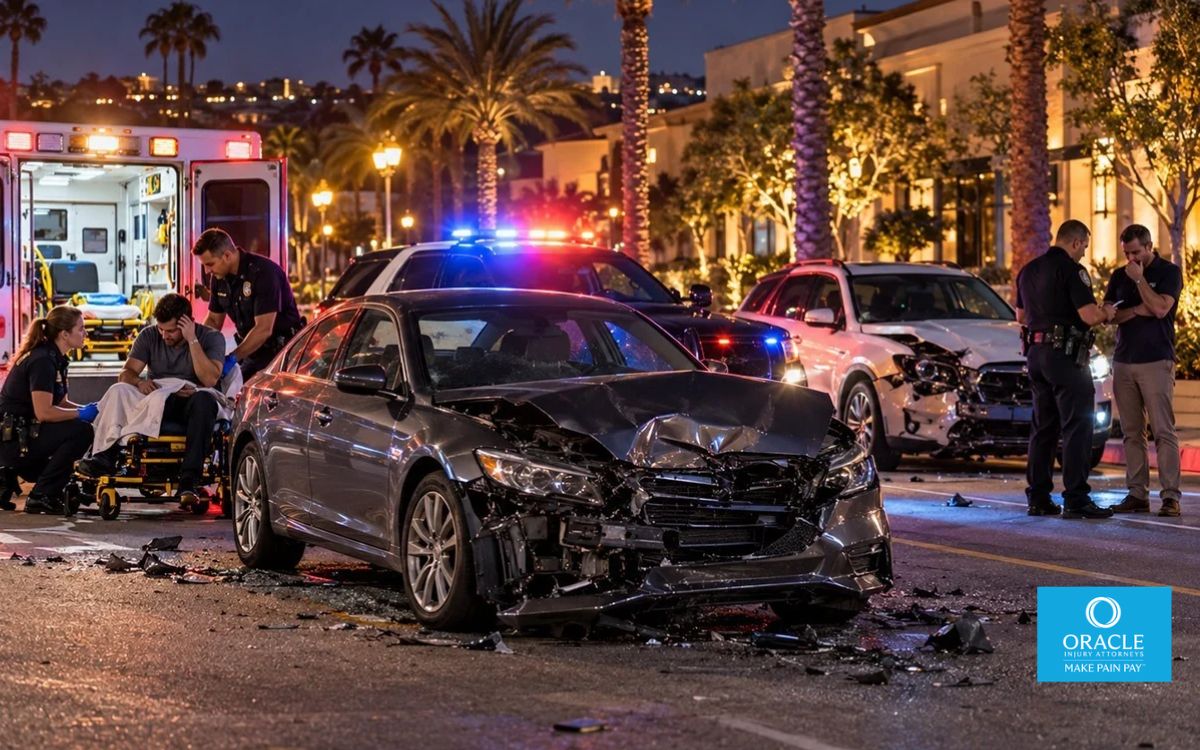
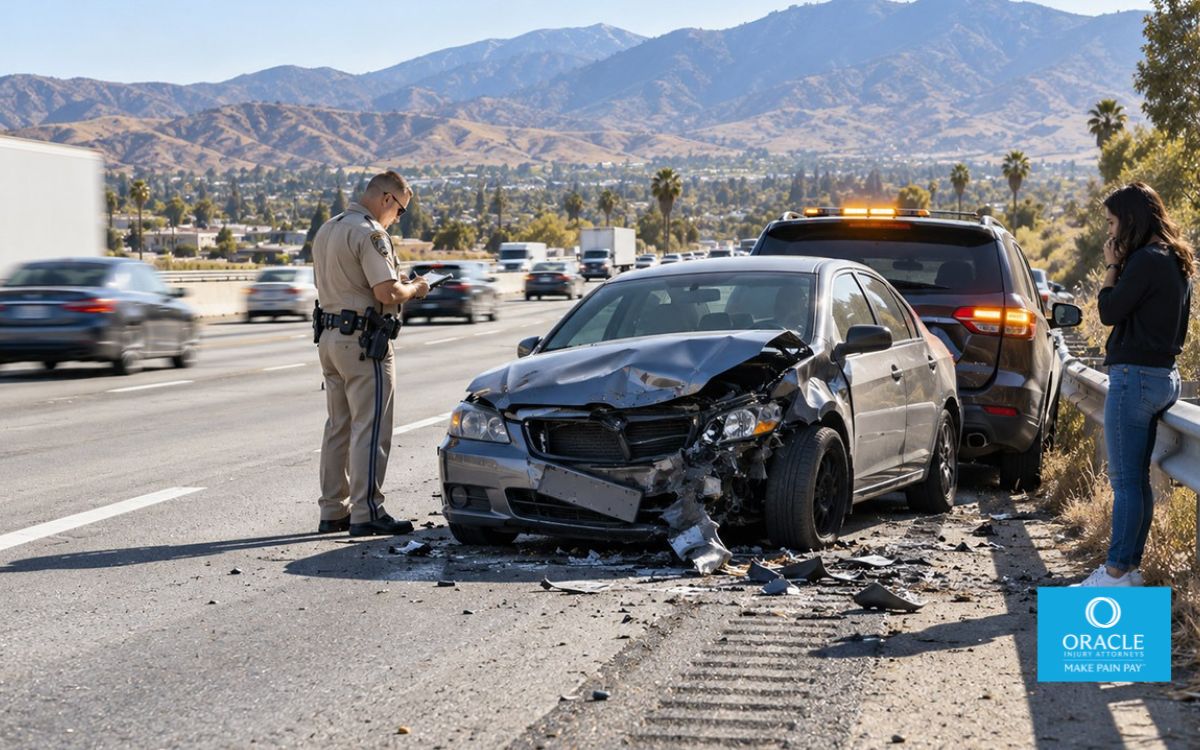
The actions you take in the minutes and hours after a crash with an uninsured driver directly affect your ability to recover compensation later. First and most importantly, call 911 and get a police report filed. This is always important in any accident, but it becomes critical when the other driver lacks insurance because the official report documents their identity, their lack of coverage, and the basic facts of the collision before anyone has a chance to leave or dispute the narrative.
Photograph everything — the damage to both vehicles, the position of the cars, any skid marks, traffic signals, road conditions, and your visible injuries. Get the other driver’s name, driver’s license number, license plate, and any contact information, even if they claim not to have insurance. If there are witnesses, collect their names and phone numbers. The more documentation you gather at the scene, the stronger your position becomes in every avenue of recovery that follows.
Do not accept cash offers from the other driver at the scene, and do not sign anything. What feels like a fair amount in a panicked roadside moment rarely covers the full cost of your medical treatment, lost income, and long-term recovery. Contact an attorney before making any decisions about accepting payment directly from an at-fault driver.
Your Own Insurance Policy: The Most Important Coverage You May Have
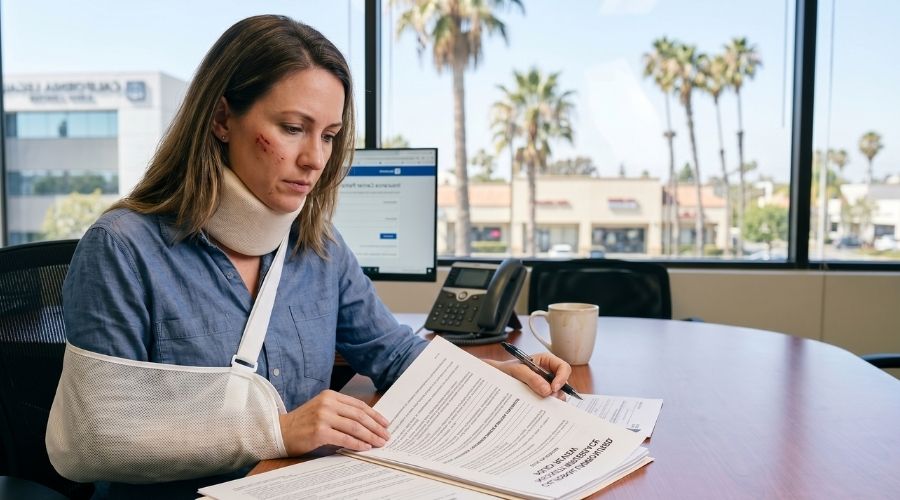
If you carry uninsured motorist coverage on your own auto policy — commonly abbreviated as UM coverage — this is your most direct and reliable path to compensation after being hit by an uninsured driver. California law requires insurance companies to offer uninsured and underinsured motorist coverage to every policyholder, though drivers may decline it in writing. If you did not specifically decline it, there is a strong possibility you already have it.
UM coverage works by stepping into the shoes of the at-fault driver and paying what their insurance would have paid if they had any. This can include your medical expenses, lost wages, pain and suffering, and other damages — up to the limits of your policy. The process of making a UM claim with your own insurer can be more adversarial than most people expect, however. Even though it is your own insurance company, they are still motivated to settle your claim for as little as possible. Having an attorney negotiate on your behalf can make a significant difference in the amount you ultimately recover.
Underinsured Motorist Coverage and Why It Also Matters
A related but distinct type of coverage is underinsured motorist protection, or UIM coverage. This applies when the at-fault driver has some insurance, but their policy limits are too low to cover the full extent of your damages. California’s minimum liability requirement is relatively modest — just $15,000 per person for bodily injury — and in any serious accident, that amount can be exhausted by a single emergency room visit.
If the at-fault driver’s policy pays out its maximum and you are still left with uncovered losses, your UIM coverage bridges the gap. Garden Grove accident victims frequently find themselves in this position, particularly in cases involving broken bones, spinal injuries, or any injury requiring surgery, extended physical therapy, or specialist care. Understanding both UM and UIM coverage and how they work together is essential to protecting your full financial recovery.
Can You Sue an Uninsured Driver Directly?
Yes — and in some cases, pursuing the at-fault driver personally in civil court is worth considering. If the uninsured driver was clearly negligent and caused your injuries, you have every legal right to file a personal injury lawsuit against them regardless of whether they carry insurance. A court can enter a judgment in your favor that the driver is legally obligated to pay.
The practical challenge is collectability. Many uninsured drivers lack significant assets or income, which means that even a favorable court judgment can be difficult to enforce in the near term. However, a judgment does not expire quickly — in California, judgments can be renewed and can attach to future assets the defendant acquires, including wages, bank accounts, and real property. For younger defendants or those with some earning capacity, a personal lawsuit can ultimately result in meaningful recovery over time.
An experienced attorney can assess the at-fault driver’s likely financial situation and advise you honestly on whether a direct lawsuit is worth pursuing alongside your insurance claims or as a standalone strategy.
Third-Party Liability: When Someone Else May Also Be Responsible
One of the most valuable things an attorney does in uninsured driver cases is look beyond the obvious. In many accidents, the uninsured driver is not the only party that bears legal responsibility for what happened. Other potential defendants may have insurance — and pursuing them can open entirely new channels of compensation.
If the at-fault driver was operating a vehicle owned by someone else, the vehicle owner may carry liability insurance that covers the accident. If the driver was operating a company vehicle or running an errand for an employer at the time of the crash, the employer may be liable under the legal doctrine of respondeat superior. If defective road design, poor signage, or inadequate lighting contributed to the collision, a government agency responsible for road maintenance in Garden Grove may bear partial responsibility. If a mechanical defect in either vehicle played a role, the manufacturer could be named as a defendant.
None of these avenues are guaranteed, but each one must be investigated. An attorney who only looks at the uninsured driver and stops there is leaving potential compensation on the table.
MedPay Coverage: A Smaller but Immediate Resource
Medical payments coverage, or MedPay, is another optional add-on to California auto policies that many drivers carry without fully understanding its value. Unlike UM coverage, MedPay pays for your medical expenses regardless of who was at fault — and it pays quickly, without the negotiation process that can delay UM settlements. It typically covers ambulance fees, emergency room treatment, hospital stays, surgeries, and follow-up care up to the policy limit.
MedPay limits are generally modest — often between $1,000 and $10,000 — so it will rarely cover all of a serious injury’s medical costs. But it can be a critical bridge that helps you access treatment immediately, before a longer insurance negotiation or lawsuit concludes. In cases involving uninsured drivers where the UM process takes time, MedPay coverage provides breathing room.
California’s MICRA and Damage Caps: What Garden Grove Victims Should Know
California has specific laws governing personal injury claims that every accident victim in Garden Grove should understand before settling any case. In 2023, California significantly updated the Medical Injury Compensation Reform Act, raising the cap on non-economic damages — things like pain and suffering — in cases involving catastrophic injury or death. For accidents occurring after January 1, 2023, the cap on non-economic damages in most personal injury cases is now $350,000 and is scheduled to increase incrementally over the coming years.
This matters in uninsured driver cases because it affects how your total damages are calculated and negotiated, particularly when you are dealing with your own UM carrier. Insurance companies are well aware of these limits and structure their offers accordingly. An attorney who understands the current California damage framework can push back effectively when an insurer undervalues the non-economic component of your claim.
The Statute of Limitations in California: Do Not Wait
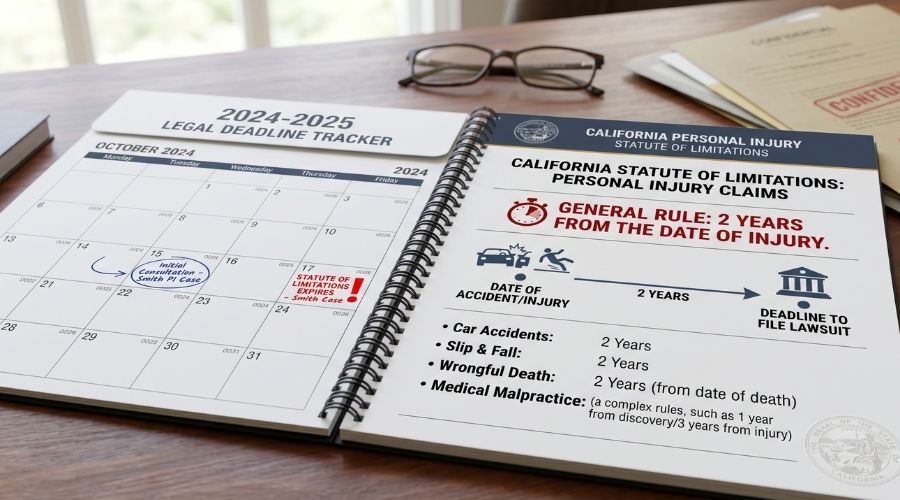
California gives injured accident victims two years from the date of the collision to file a personal injury lawsuit. This deadline applies whether you are suing the uninsured driver directly or pursuing other liable parties. Missing it — even by a single day — almost always results in losing your right to compensation entirely, regardless of how clear-cut your case is.
UM insurance claims have their own contractual deadlines that can be even shorter, depending on the specific language in your policy. Some policies require that you notify your insurer of a potential UM claim within a much shorter window after the accident. If you are unsure what your policy requires, an attorney can review it and make sure every deadline is met without jeopardizing your recovery.
Oracle Law Firm Helps Garden Grove Accident Victims Fight Back
Being injured by an uninsured driver feels like losing before the fight even starts. At Oracle Law Firm, we have built our practice around proving that wrong. We know every avenue of compensation available under California law, and we pursue all of them simultaneously so that nothing is left unexplored. From negotiating your UM claim to investigating third-party liability and filing suit when necessary, our team handles every piece of the legal puzzle on your behalf.
If an uninsured driver in Garden Grove has injured you or someone you love, contact Oracle Law Firm today for a free consultation. The other driver may not have insurance — but you still have rights, and we will fight to enforce them.
Frequently Asked Questions
What happens if the driver who hit me in Garden Grove has no insurance?
You still have options. Your own uninsured motorist (UM) coverage can compensate you up to your policy limits. You may also be able to sue the at-fault driver personally, pursue third parties who share liability, or use MedPay coverage for immediate medical expenses. An attorney can identify which paths apply to your specific situation.
Do I have uninsured motorist coverage if I never specifically asked for it?
Possibly. California law requires insurers to offer UM and UIM coverage to every policyholder. If you did not sign a written waiver declining it, it may be included in your policy. Review your declarations page or contact your insurer to confirm. An attorney can also review your policy for you.
Can I still get compensation if I was partially at fault for the accident?
Yes. California follows a pure comparative fault rule, meaning you can recover compensation even if you were partially responsible for the accident. Your total damages are simply reduced by your percentage of fault. For example, if you were found 20 percent at fault, you recover 80 percent of your total damages.
How long does an uninsured motorist claim take to resolve?
It varies significantly depending on the severity of your injuries, the complexity of your case, and how cooperative your insurer is. Straightforward UM claims can resolve in a few months. Cases involving serious injuries, disputed liability, or uncooperative insurers can take a year or longer — and may require arbitration or litigation.
Should I give a recorded statement to my insurance company after being hit by an uninsured driver?
Not before speaking with an attorney. Even your own insurer — when handling a UM claim — is acting in an adversarial capacity trying to minimize your payout. A recorded statement made without legal guidance can be used to reduce or deny your claim. Consult an attorney first.