Understanding Liability, Evidence, and Your Rights After a Crash

Car accidents in Santa Ana are an everyday reality, especially with busy roads, dense traffic, and constant commuter flow throughout Orange County. When a collision occurs, one of the most important questions that follows is, “Who is at fault?” The answer to this question plays a critical role in determining who is responsible for damages, medical bills, lost wages, and other losses.
California’s legal framework for car accidents is based on fault, but determining liability is not always straightforward. It often involves a detailed review of evidence, legal standards, and insurance policies. Understanding how fault is determined in Santa Ana can help you protect your rights and make informed decisions after an accident.
What Does “Fault” Mean in a California Car Accident?
In legal terms, “fault” refers to responsibility for causing an accident. California operates under a fault-based system, meaning the party responsible for the accident is also responsible for covering the damages.
Fault is not always assigned to just one driver. In many cases, multiple parties may share responsibility. For example, one driver may have been speeding while another failed to yield. In such situations, liability is divided based on each party’s contribution to the accident.
This system makes it essential to carefully analyze all aspects of the incident rather than relying on assumptions.
“Fault is not always black and white. In many Santa Ana accidents, multiple factors contribute, making proper investigation essential.”
The Role of Police Reports in Determining Fault
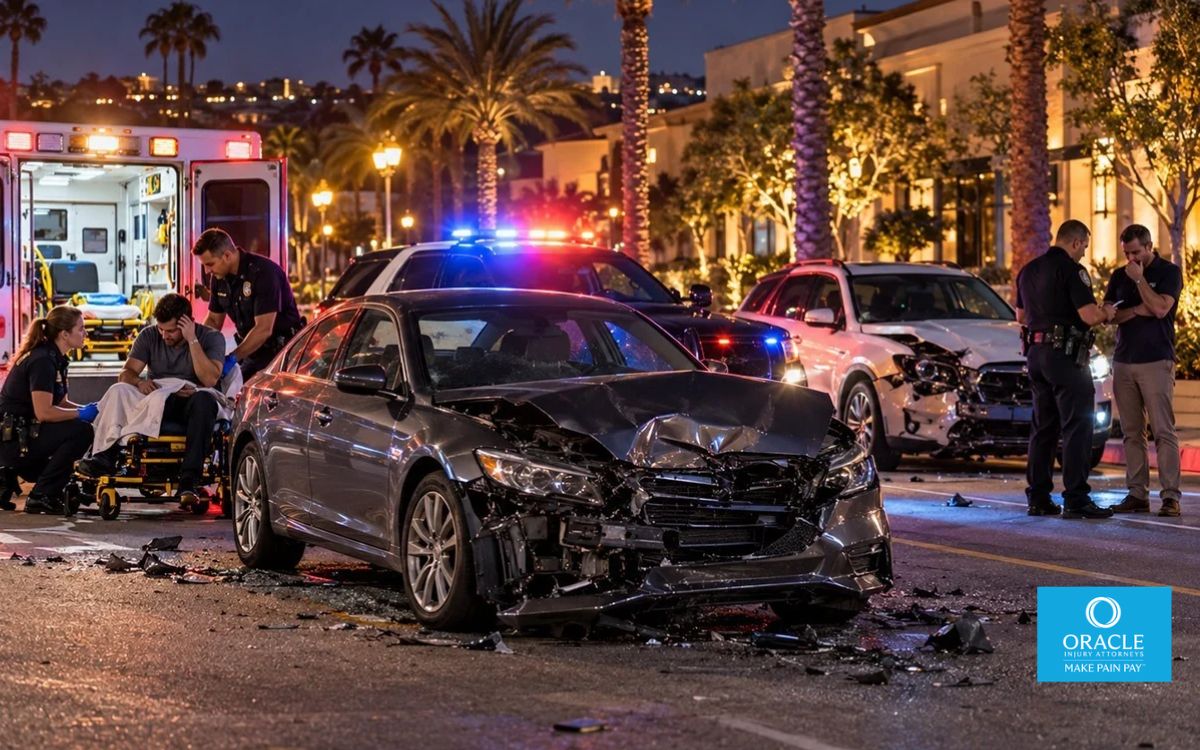
After a car accident in Santa Ana, law enforcement officers often respond to the scene and create an official police report. This report is one of the most important pieces of evidence in determining fault.
Police reports typically include:
- A summary of how the accident occurred
- Statements from drivers and witnesses
- Diagrams of the scene
- Observations about road conditions and vehicle damage
- Any citations issued for traffic violations
While the police report itself does not legally decide fault, insurance companies and attorneys heavily rely on it when evaluating claims.
Providing clear and accurate information to officers at the scene can help ensure the report reflects the facts correctly.
How Insurance Companies Investigate Fault
Insurance companies conduct their own investigations to determine liability. Their goal is to assess the claim and decide how much they are willing to pay.
During this process, insurers may review:
- Police reports
- Photos and videos from the scene
- Vehicle damage
- Medical records
- Statements from involved parties and witnesses
- Traffic laws and applicable violations
Insurance adjusters analyze this information to assign a percentage of fault to each party involved. However, it is important to remember that insurance companies are businesses. Their primary objective is often to minimize payouts, which can influence how fault is interpreted.

Key Evidence That Helps Establish Liability
Strong evidence is the foundation of any successful car accident claim. In Santa Ana, several types of evidence are particularly valuable when determining fault.
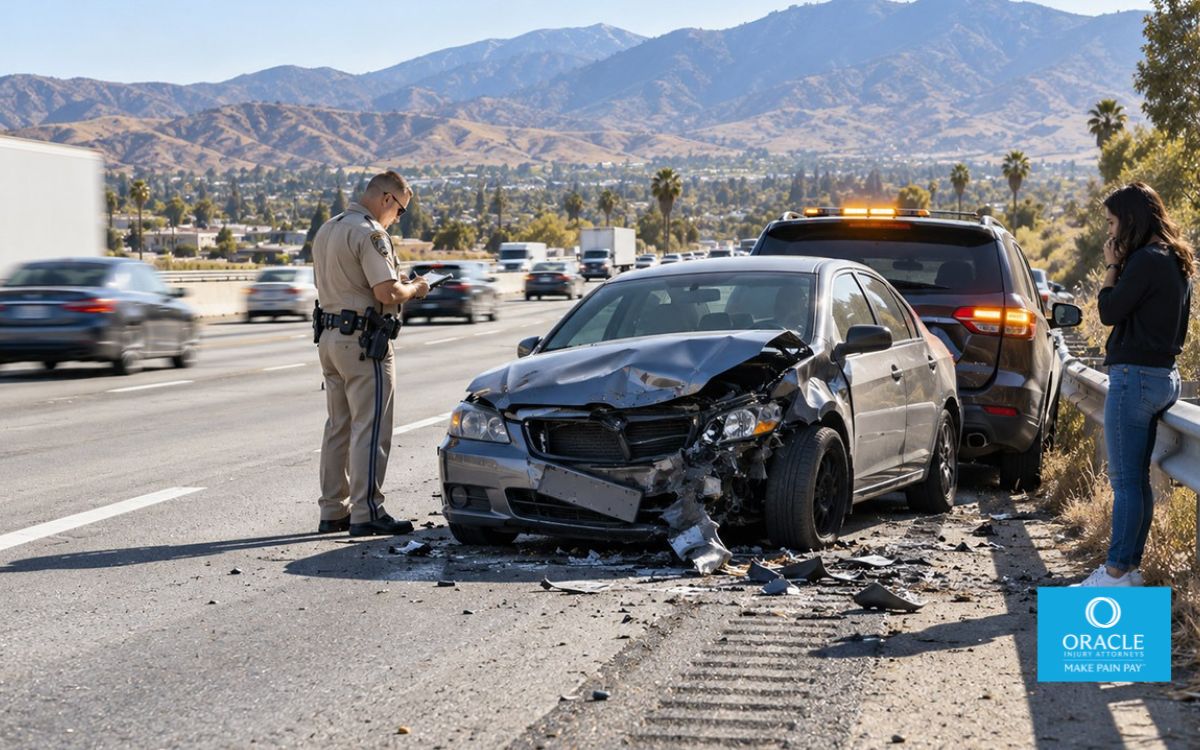
Photographic evidence can show the position of vehicles, damage patterns, and road conditions. For example, rear-end damage may indicate that one driver failed to stop in time.
Witness statements provide independent accounts of what happened, which can be especially valuable when drivers have conflicting versions of events.
Traffic camera footage or nearby surveillance video can offer objective proof of how the accident occurred. This type of evidence is often highly persuasive.
Medical records also play a role by linking injuries directly to the accident, helping establish the impact of the collision.
When evaluating fault, the more comprehensive and consistent the evidence, the stronger your position becomes.
Understanding Comparative Negligence in California
California follows a pure comparative negligence rule. This means that even if you are partially at fault for an accident, you can still recover compensation.
However, your compensation will be reduced based on your percentage of fault. For example, if you are found to be 20 percent responsible for the accident, your total compensation would be reduced by 20 percent.
This system makes fault determination especially important. Even small changes in fault percentages can significantly affect the outcome of a claim.
“Under California’s comparative negligence law, even partial fault does not eliminate your right to compensation, but it does impact how much you can recover.”
Common Factors That Influence Fault in Santa Ana Accidents
Several common factors frequently play a role in determining fault in Santa Ana car accidents.
Traffic violations are one of the most significant indicators. Running a red light, speeding, or failing to yield can strongly suggest negligence.
Distracted driving, such as texting or using a mobile device, is another leading cause of accidents and often results in liability.
Driving under the influence of alcohol or drugs almost always results in assigning fault to the impaired driver.
Road conditions and vehicle maintenance may also be considered. In some cases, third parties such as municipalities or manufacturers could share responsibility.
Each accident is unique, and determining fault requires a detailed evaluation of all contributing factors.
Key Evidence That Helps Establish Liability

Why Legal Representation Matters in Fault Disputes
Disputes over fault are common in car accident cases, especially when injuries and significant damages are involved. Having an experienced personal injury attorney can make a substantial difference in how fault is determined.
An attorney can:
- Conduct an independent investigation
- Gather additional evidence
- Work with accident reconstruction experts
- Challenge unfair fault assessments by insurance companies
- Negotiate for a more favorable outcome
Without proper legal representation, individuals may find themselves accepting a higher percentage of fault than they actually deserve, which can reduce their compensation.
Frequently Asked Questions
How is fault determined after a car accident in Santa Ana?
Fault is determined through evidence such as police reports, witness statements, photos, and insurance investigations.
Can both drivers be at fault in California?
Yes, California’s comparative negligence system allows multiple parties to share fault.
Does a police report decide who is at fault?
No, but it is a key piece of evidence used by insurance companies and attorneys.
What if the other driver denies fault?
Additional evidence, including witnesses and video footage, can help establish the truth.
Conclusion
Determining fault in a car accident in Santa Ana involves more than just identifying who caused the crash. It requires a careful review of evidence, legal standards, and insurance practices. From police reports to witness statements and comparative negligence laws, each element plays a role in shaping the outcome of a claim.
By comprehending the workings of this process, you can prevent costly errors and safeguard your rights. If you have been involved in a car accident, having the right legal support can be the difference between a denied claim and fair compensation.
Contact Oracle Injury Attorneys today for a free consultation and let our experienced team help you navigate fault determination and fight for the compensation you deserve.