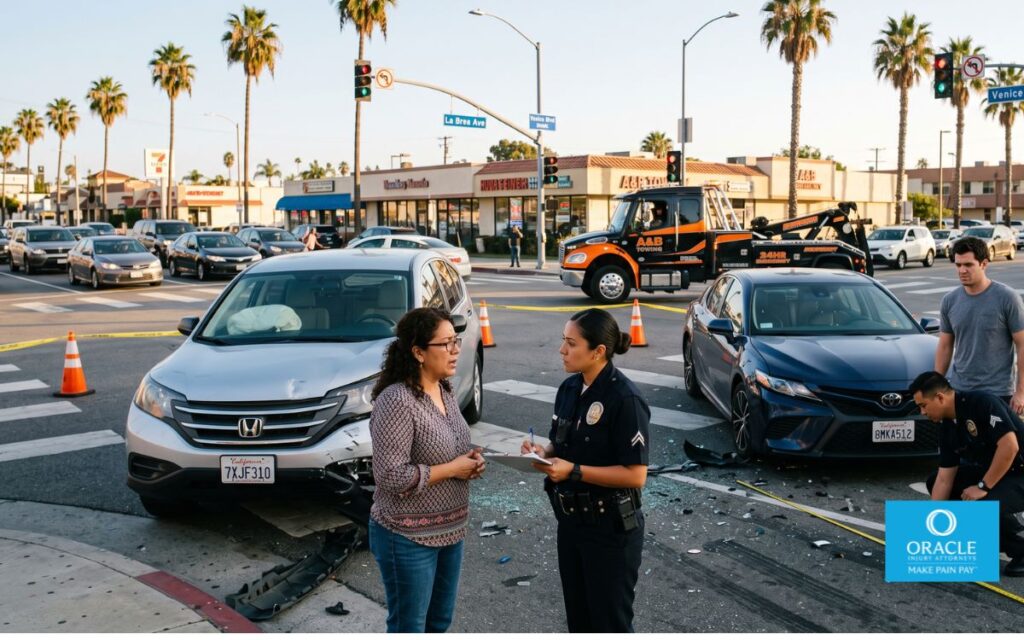
Understanding fault, insurance coverage, and legal responsibility after an accident involving an unlicensed driver in California.
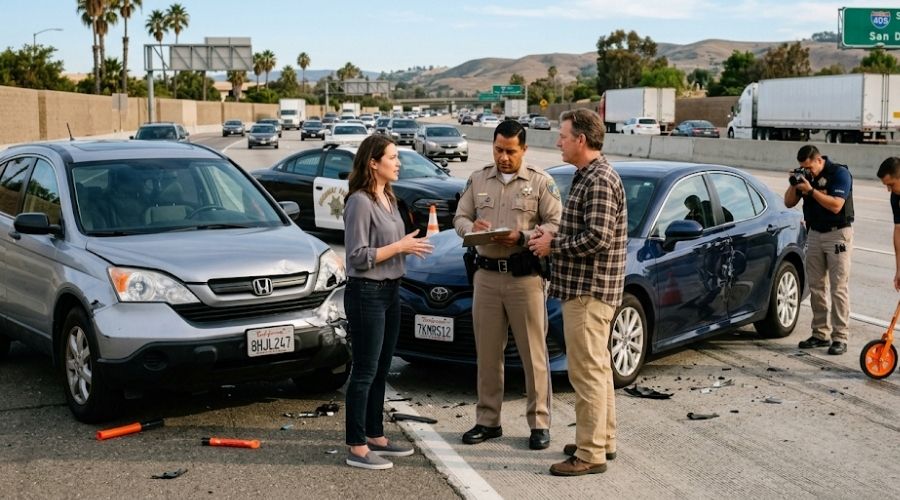
When an accidente involves an unlicensed driver, one of the first questions people ask is whether the driver is automatically responsible for the crash. It is a reasonable assumption. After all, driving without a valid license violates California law. However, liability in a personal injury case is not determined solely by whether someone had legal permission to drive.
California courts and insurance companies focus on negligence, fault, and causation when evaluating accident claims. While an unlicensed driver’s status may influence certain aspects of a case, the key question remains whether that driver’s actions caused or contributed to the collision.
For victims, accidents involving unlicensed drivers can create additional concerns about insurance coverage, compensation, and the ability to recover damages. In some cases, multiple parties may share liability, including vehicle owners, employers, or other negligent drivers.
Understanding how liability is determined can help accident victims protect their rights and make informed decisions after a crash.
An unlicensed driver may have broken the law by getting behind the wheel, but liability for an accident depends on who acted negligently and caused the collision.
Being Unlicensed Does Not Automatically Make Someone Liable
One of the most common misconceptions in personal injury law is that an unlicensed driver is automatically at fault for any accident they are involved in.
That is not how California law works.
Liability is generally based on whether a person’s actions caused the accident. An individual may be driving without a valid license yet still operate their vehicle safely. Conversely, a licensed driver may engage in negligent behavior that directly causes a collision.
Por ejemplo:
- A licensed driver who runs a red light may be liable for a crash involving an unlicensed driver.
- A distracted licensed driver who rear-ends an unlicensed motorist may still bear responsibility.
- A speeding driver who loses control and strikes an unlicensed driver may be primarily at fault.
In each of these situations, the lack of a driver’s license does not determine liability.
Instead, investigators focus on the conduct of each party and how that conduct contributed to the accident.
How California Determines Liability After a Crash
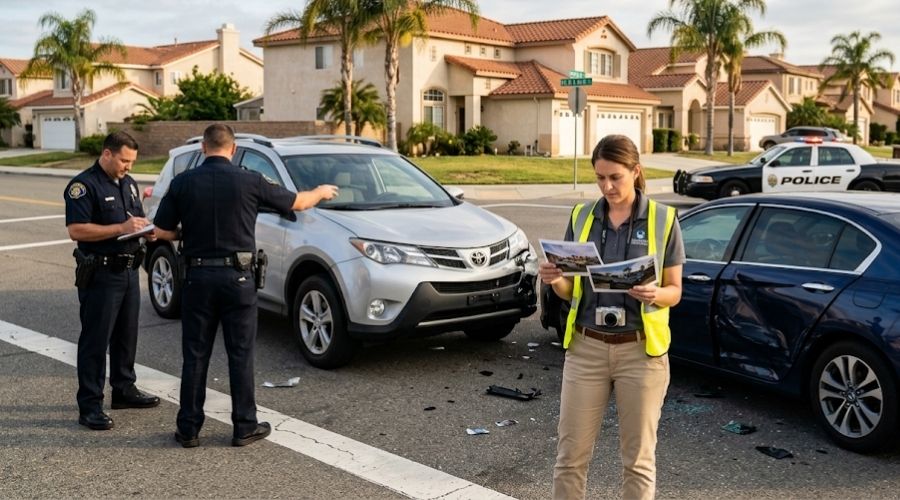
Insurance companies and courts examine evidence to determine fault.
Common forms of evidence include:
- Informes policiales
- Declaraciones de los testigos
- Fotografías y vídeos
- Imágenes de cámaras de tráfico
- Análisis de daños del vehículo
- Informes de reconstrucción de accidentes.
- Cell phone records
- Datos electrónicos del vehículo
The goal is to determine what happened and who acted negligently.
Negligence may involve:
- Conducción distraida
- Exceso de velocidad
- Running stop signs or red lights
- Cambios de carril inseguros
- Conducir bajo la influencia
- Siguiendo demasiado de cerca
- No ceder
If the evidence shows that the unlicensed driver committed one or more of these negligent acts and caused the accident, they may be held liable.
However, if another driver’s negligence caused the crash, the unlicensed driver may not be responsible despite their licensing violation.
California’s Comparative Negligence Rules
Many accidents involve more than one contributing factor.
California follows a pure comparative negligence system, meaning multiple parties can share responsibility for an accident.
Under this system, compensation may be reduced according to a person’s percentage of fault.
Por ejemplo:
- Driver A is 80% responsible.
- Driver B is 20% responsible.
If Driver B suffered $100,000 in damages, they may still recover $80,000 after the 20% reduction.
This principle often becomes important in cases involving unlicensed drivers because insurance companies frequently attempt to argue that the driver’s lack of a license reflects inexperience or poor judgment.
However, simply being unlicensed does not automatically establish negligence.
There must be evidence showing that the driver’s actions contributed to the collision.
Can the Vehicle Owner Be Liable?
In some situations, liability extends beyond the driver.
California law may allow injured victims to pursue claims against a vehicle owner who knowingly allowed an unlicensed person to drive.
This legal concept is commonly known as negligent entrustment.
Negligent entrustment may occur when a vehicle owner:
- Knows the driver is unlicensed
- Knows the driver has a history of unsafe driving
- Knows the driver is impaired
- Allows someone incapable of safely operating a vehicle to drive
For example, if a parent knowingly allows an unlicensed teenager to use the family vehicle and that teenager causes a crash, the parent may face potential liability.
Similarly, a vehicle owner who knowingly lends a car to a person with a revoked license could potentially face responsibility under certain circumstances.
These cases often require a detailed investigation into what the owner knew and whether their actions contributed to the accident.
Liability may extend beyond the driver when another person knowingly creates an unreasonable risk by allowing an unqualified individual to operate a vehicle.
What Happens if the Unlicensed Driver Was Working?
Accidents involving commercial or work-related driving situations can introduce another layer of liability.
If an unlicensed driver was acting within the scope of employment when the crash occurred, an employer may also be responsible.
Examples might include:
- Conductores de reparto
- Construction vehicle operators
- técnicos de servicio
- Commercial transportation workers
Employers generally have a duty to verify that employees who operate vehicles possess valid licenses and appropriate qualifications.
Failure to do so could expose the employer to liability.
In these situations, injured victims may have access to larger insurance policies than would otherwise be available through an individual driver.
Identifying all potentially responsible parties is often a critical step in maximizing available compensation.
Insurance Issues in Unlicensed Driver Cases
One reason accidents involving unlicensed drivers become complicated is that insurance coverage questions often arise.
Many people assume an unlicensed driver automatically lacks insurance, but that is not always true.
Possible sources of coverage include:
Seguro de automóvil personal
Some unlicensed drivers may still be listed on insurance policies.
Household Policies
Coverage may exist through a family member’s policy.
Commercial Insurance
Commercial policies may cover business-owned vehicles.
Vehicle Owner Insurance
In certain situations, the vehicle owner’s policy may provide coverage.
Insurance companies frequently investigate:
- Whether the driver had permission to use the vehicle
- Si se aplican exclusiones de la póliza
- Whether coverage limitations exist
- Whether additional insured parties are involved
Coverage disputes often become a major factor in settlement negotiations.
Damages Victims May Recover
If an unlicensed driver causes an accident, injured victims may be entitled to pursue compensation for various losses.
Gastos médicos
Estos pueden incluir:
- Tratamiento de urgencia
- Hospitalización
- Cirugía
- Fisioterapia
- Rehabilitación
- Atención médica futura
Ingresos perdidos
Victims may recover damages for:
- Salarios perdidos
- Lost business income
- Capacidad de ganancia reducida
- Pérdidas de ingresos futuras
Daño a la propiedad
Compensation may include vehicle repairs or replacement costs.
Dolor y sufrimiento
La ley de California puede permitir la recuperación de:
- Dolor físico
- Estrés emocional
- Ansiedad
- Depresión
- Pérdida del disfrute de la vida
- Incapacidad permanente
The severity of injuries often plays a significant role in determining the value of these damages.
Why These Cases Often Require Thorough Investigation
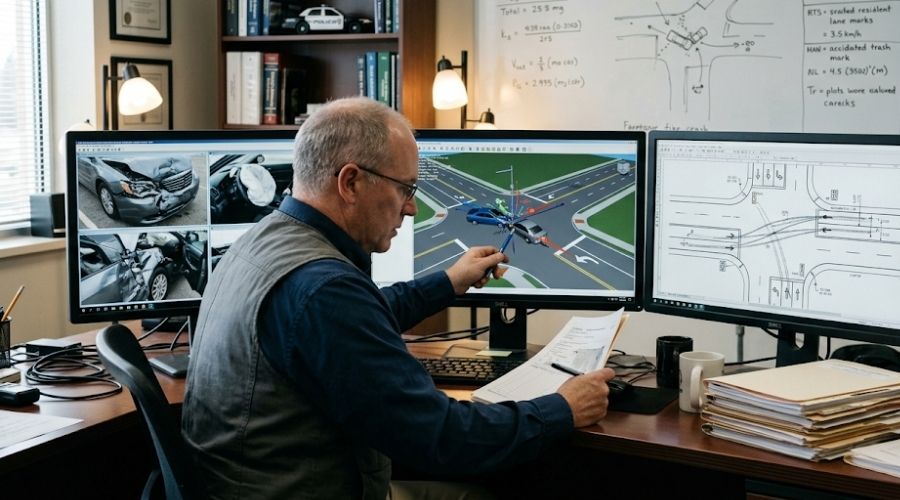
Accidents involving unlicensed drivers frequently involve more questions than standard car accident claims.
Investigators may need to determine:
- Why the driver lacked a valid license
- Whether the driver was negligent
- Whether the vehicle owner knew about the licensing issue
- Whether an employer bears responsibility
- What insurance coverage is available
- Whether additional parties contributed to the crash
The answers to these questions can significantly affect both liability and compensation.
A comprehensive investigation often helps identify opportunities for recovery that may not be immediately obvious.
Preguntas frecuentes
Is an unlicensed driver automatically responsible for a crash?
No. Liability depends on negligence and fault, not simply whether the driver possessed a valid license.
Can a vehicle owner be held liable for an unlicensed driver’s accident?
Possibly. If the owner knowingly allowed an unlicensed driver to use the vehicle, negligent entrustment laws may apply.
What if the unlicensed driver was working when the accident occurred?
An employer may share liability if the driver was acting within the scope of employment.
Can I still recover compensation if the at-fault driver was uninsured?
You may be able to pursue compensation through uninsured motorist coverage or other liable parties.
Does an expired license affect liability?
Not necessarily. The primary issue remains whether the driver’s conduct caused the accident.
Protect Your Rights After an Accident Involving an Unlicensed Driver
Determining liability after an accident involving an unlicensed driver is often more complicated than many people expect. While driving without a license may violate California law, liability is generally based on negligence, fault, and the specific circumstances of the crash.
Victims may have claims against the unlicensed driver, the vehicle owner, an employer, or other responsible parties. Identifying all available sources of compensation is often essential when serious injuries and significant financial losses are involved.
If you have been injured in an accident involving an unlicensed driver, the legal team at Oracle Injury Attorneys can help evaluate your case, investigate liability, and pursue the compensation you deserve. Contacte hoy mismo con los abogados especializados en lesiones de Oracle. to discuss your options and learn how experienced legal representation can help protect your rights.