California regulators approved Waymo in August 2026 to expand driverless rides into Orange, Riverside, and San Bernardino counties. When a self-driving car causes a crash, there is no driver to blame. Responsibility may fall on the operating company, the maker of defective software or parts, or another human driver. California’s two-year filing deadline and comparative fault rules still apply. The company controls the crash data, so preserving evidence early is critical.
When a self-driving car hits you, there is no driver to swap insurance cards with. No one apologizes. No one tells the officer what happened. There is a technology company, its insurance team, and the crash data sitting on its servers. If you are ever in a self-driving car accident in Orange County, that imbalance is the first thing you need to understand.
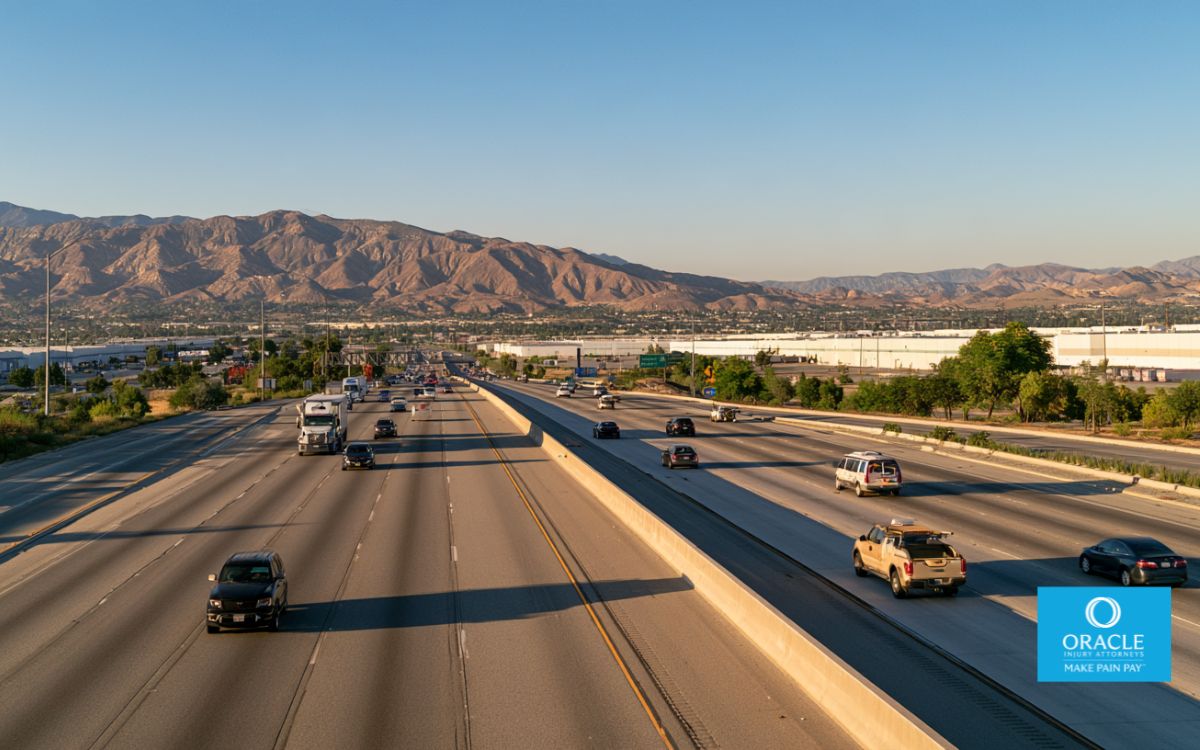
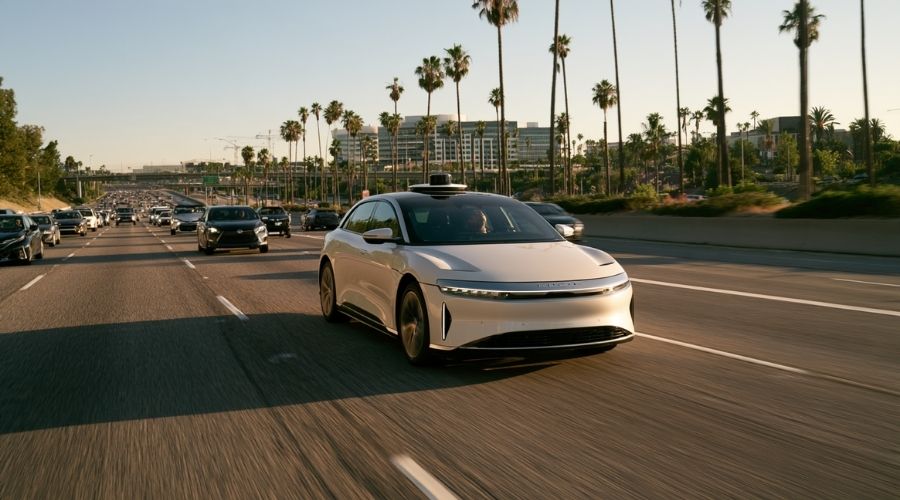
For years, robotaxis felt like something that was happening somewhere else. That is changing. In August 2026, California regulators cleared Waymo to expand into 18 counties, including Orange, Riverside, and San Bernardino. Driverless cars may soon share the I-405 in Irvine, the 91 through Corona, and the I-10 through Ontario with everyone else.
Most rides will end without a problem. But when one does not, the injured person is left confused and often in pain, with no idea who to call. This article explains how these cases work, who can be held responsible, and how to protect yourself before the first robotaxi ever pulls up to your curb.
Robotaxis Are Heading to Orange County and the Inland Empire
In August 2026, the California Public Utilities Commission approved Waymo’s request to expand driverless ride service across 18 counties, including Orange, Riverside, and San Bernardino. The approval covers city streets and freeways, day and night. As of early October 2026, paid rides had not yet launched in these counties.
De acuerdo a Electrek’s report on the decision, the approval allows operation on freeways, highways, city streets, parking lots, and driveways in rain and fog, with only widespread snow or ice excluded. That is a big deal for a region built around freeways.
Think about what that could mean locally. Robotaxis picking up travelers at John Wayne Airport and Ontario International. Driverless cars merging onto the 55 at rush hour or navigating the Spectrum on a Friday night. Commuters in Riverside and San Bernardino sharing the 215 with cars that have no one behind the wheel.
Robotaxis are already a familiar sight just across the county line, and their crash history there shows these cars are not perfect. They follow rules well most of the time. But “most of the time” is not much comfort to the person who gets hurt.
Why a Self-Driving Car Accident Is Different From a Normal Crash
In a normal crash, you deal with another driver and their insurance company. In a self-driving car accident, you deal with a company that controls the vehicle, the video, and the sensor data. That changes how evidence is gathered and who can be held responsible.
Consider what usually proves fault. Witness statements, the police report, photos, and what each driver says happened. In a robotaxi case, one of those drivers does not exist. The car’s “memory” lives in cameras, lidar, and software logs that the company owns.
That data can be incredibly useful. It can show speed, braking, what the car detected, and the split-second decisions it made. But you do not automatically receive it. The company decides what to share, and its insurer will review that data with its interests in mind.
There is also the paperwork. If you were a passenger, you accepted the company’s terms of service in the app. Those terms may include rules about how disputes get resolved. Before you assume you know your options, you should have a lawyer read them.
Who Can Be Held Responsible After a Self-Driving Car Accident in Orange County?
Depending on the facts, responsibility may fall on the company operating the robotaxi, the manufacturer of a defective part or software system, or another human driver who caused the crash. Many cases involve more than one of these at the same time.
The most direct target is usually the operating company. A company that puts driverless cars on public roads has a duty to test, maintain, and monitor them responsibly. If the car made an unsafe turn, failed to yield, or did not react to a pedestrian, the operator may be responsible much like an employer is responsible for a careless employee.
The second path is Responsabilidad del producto. If a design flaw, software defect, or faulty sensor caused the crash, the maker of that system may be held responsible even without proof that anyone was careless. Software recalls can be important evidence here, because they can show a company knew about a type of problem.
Third, do not overlook human drivers. Many robotaxi crashes involve a person who rear-ends or sideswipes the driverless car. If you were riding in a robotaxi when someone else hit it, your claim may be against that driver’s insurance.
Finally, paying passengers may have added protection. Under California Civil Code section 2100, companies that carry passengers for hire must use the utmost care and diligence for their safety. Whether a court treats a robotaxi company as this kind of “common carrier” depends on the facts, and your attorney can evaluate it.
The New California Rules That Can Help Build Your Case
California added new tools in 2026 that create a record when driverless cars break the rules. Police can now issue a “notice of noncompliance” to the company, companies must report these incidents to the DMV, and collision reports involving autonomous vehicles are posted publicly.
Before July 1, 2026, a car with no human driver could not get a traffic ticket. Under AB 1777, that loophole closed. As NBC Bay Area reported, police can now issue a notice to the company when its vehicle runs a red light or fails to yield, and companies must report these notices to the DMV within 72 hours, or within 24 hours for serious incidents. Repeated problems can put a company’s permit at risk.
That matters in an injury case. A notice of noncompliance issued at the scene of your crash is an official record that the car broke a traffic law. Under California’s negligence rules, a safety-law violation that causes the kind of harm the law was meant to prevent can create a presumption of carelessness.
There are other records, too. The California DMV publishes autonomous vehicle collision reports filed by companies. Federal regulators also require companies to report many driverless car crashes under NHTSA’s Standing General Order. And under SB 480, these cars may display marker lamps that show when the computer is driving, which helps witnesses describe what they saw.
What to Do After a Self-Driving Car Accident
Call 911, get medical care, and document the scene, including the robotaxi’s license plate and any fleet number. Ask police whether a notice of noncompliance will be issued. Save your ride receipt if you were a passenger, and do not sign anything or accept a payment through the app before talking to a lawyer.
Start with your health. Adrenaline hides injuries, and some, like concussions and soft tissue damage, take hours or days to show up. A prompt medical record also links your injuries to the crash, which insurers will try to question later.
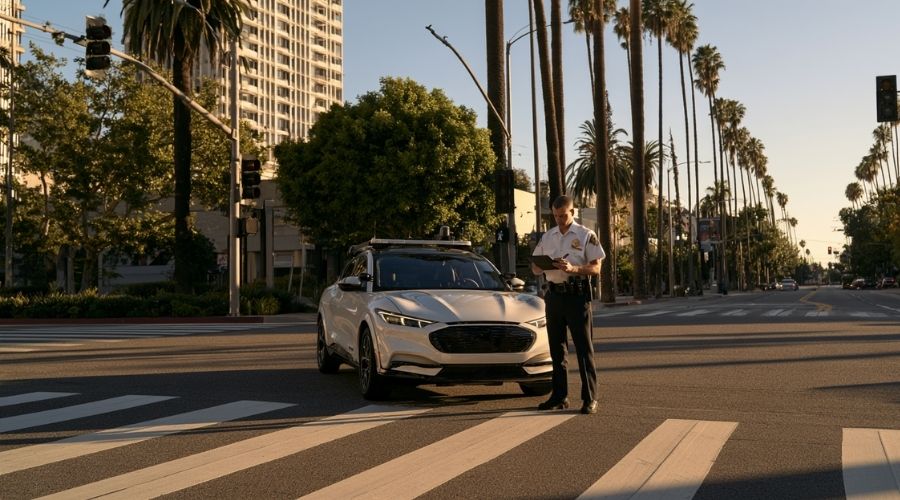
Next, make sure there is an official record. Call 911 and ask the responding officer, whether it is the CHP on the freeway or a city police department, to document the robotaxi’s involvement. Ask directly whether the officer will issue a notice of noncompliance to the company.
Then preserve what you can. This scenario is the one place a checklist helps:
- Photos of every vehicle, including the robotaxi’s plate, roof sensors, and any fleet number
- The intersection, traffic signals, and nearby business or doorbell cameras
- Names and phone numbers of witnesses
- Your app ride receipt, trip details, and any in-app messages
- Medical records, bills, and notes about missed work
The robotaxi recorded everything. The only question is whether that data gets used for you or against you.
The most important step is the one most people skip: a formal request that the company preserve its crash data. A public DMV report is not the same as the full video and sensor logs from your crash. An attorney can send a preservation letter right away, so key evidence is not lost or overwritten.
Passengers, Pedestrians, and Drivers: Where You Were Changes Your Claim
Your role in the crash shapes your claim. A passenger may have claims against the robotaxi company and any other driver. A pedestrian or cyclist usually claims against the company directly. A driver hit by a robotaxi deals with the company’s insurer instead of an individual motorist.
If you were a passenger, you were not driving, so you are rarely at fault. The main questions are which vehicle caused the crash and what the company’s terms say about resolving disputes.
If you were a pedestrian or cyclist, you would be among the most vulnerable people on the road. Injuries are often serious and can change your life. Our abogados de lesiones catastróficas understand what long-term care can cost.
Si tu fueras conduciendo and a robotaxi hit you, your claim looks more like a standard caso de accidente de coche. The difference is that you are dealing with a company that has substantial financial resources and experienced lawyers from the start.
No matter your role, California’s “comparative fault” rule applies. You can recover compensation even if you were partly at fault, but your share of blame reduces your recovery. Expect the company to use its footage to argue you were careless.
What Changes When You Have a Lawyer in Your Corner
A lawyer evens out a fight that is lopsided from the start. The company has engineers, data, and insurance professionals. You have injuries and questions. An attorney can demand the evidence, bring in experts to read it, and push back when the insurer tries to shift blame onto you.
Deadlines still apply. Most California personal injury lawsuits must be filed within two years under Artículo 335.1 del Código de Procedimiento Civil. That window shrinks fast once you factor in medical treatment, data requests, and negotiations with a corporate insurer.
New technology does not change one basic truth. If someone else’s choices hurt you, you have the right to hold them accountable, whether that someone is a person or a company.
The Bottom Line
Robotaxis are coming to Orange County and the Inland Empire, and the companies behind them will arrive with their data, their own experts, and their own interests. If a self-driving car hurts you, you need someone who can put that data to work for you instead of against you.
Whether a crash happens near the Spectrum in Irvine, on the 91 in Orilla, or anywhere in between, our team knows these roads and these claims.
¿Ha sufrido un accidente o se ha lesionado en el trabajo? No tiene por qué lidiar solo con las compañías de seguros. El bufete de abogados Oracle lucha para que usted obtenga la indemnización, el control y la claridad que merece.
Obtén una consulta gratuita o llame al 888.597.4099.
Disclaimer: This article is for general information only and is not legal advice. Reading it does not create an attorney-client relationship. Every case depends on its own facts, and past results do not guarantee future outcomes. For advice about your situation, speak with a licensed California attorney.
Preguntas frecuentes
Are robotaxis operating in Orange County?
In August 2026, California regulators approved Waymo’s request to expand driverless ride service into Orange, Riverside, and San Bernardino counties. As of early October 2026, paid rides had not yet launched in these counties, but the approval clears the way for service on both city streets and freeways.
Who is responsible if a self-driving car hits me in California?
Responsibility depends on what caused the crash. The company operating the vehicle may be responsible for how its car behaved, the maker of a defective part or software system may be liable under product liability law, and another human driver may be at fault if they caused the collision. Many cases involve more than one party.
Can a driverless car get a ticket in California?
Starting July 1, 2026, police can issue a “notice of noncompliance” to the company when its driverless car breaks a traffic law. Companies must report these notices to the DMV, and repeated problems can affect their permits. A notice issued at your crash can be useful evidence in an injury claim.
Can I sue a robotaxi company if I was a passenger?
Often, yes, but have a lawyer review the terms of service you accepted in the app, since they may include rules about how disputes are resolved. Passengers are rarely at fault, and California law holds companies that carry paying passengers to a very high standard of care.
How long do I have to file a self-driving car accident claim in California?
Most California personal injury lawsuits must be filed within two years of the injury. Because these cases often require data requests and expert review, it is smart to speak with an attorney well before that deadline. Claims involving a government agency can have much shorter deadlines.