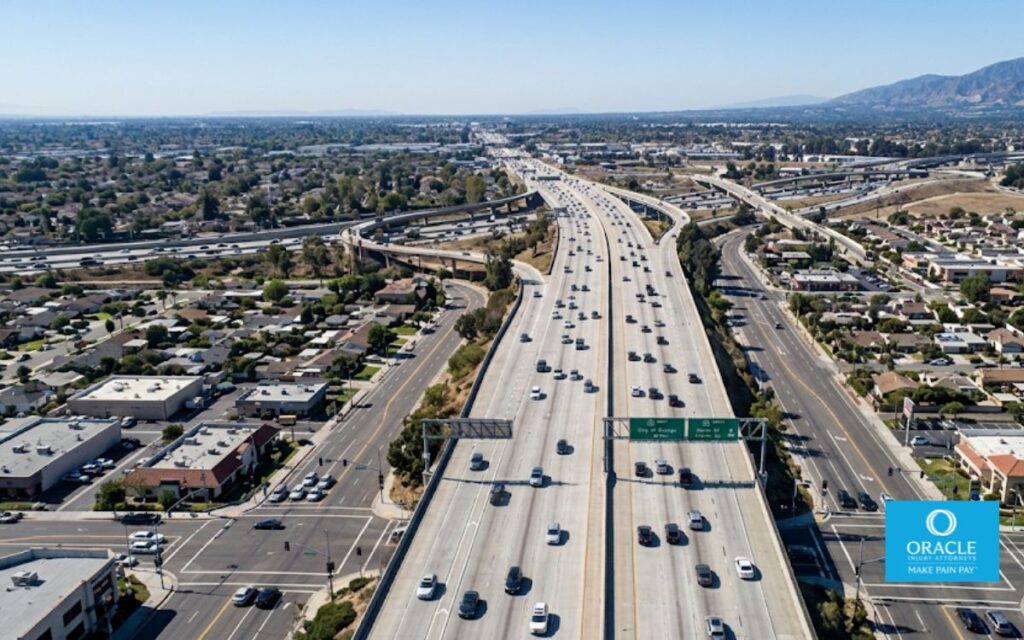
An Orange car accident lawyer handles something specific that a general abogado de lesiones personales may not encounter every day: the particular crash patterns, liability dynamics, and insurance disputes that come with accidents on and around the 22 Freeway and the Orange Crush interchange. If you were injured in this corridor, you are not dealing with a typical fender-bender claim. You are dealing with one of the most complex road environments in Southern California — and the legal and insurance questions that come with it deserve the same level of specificity.
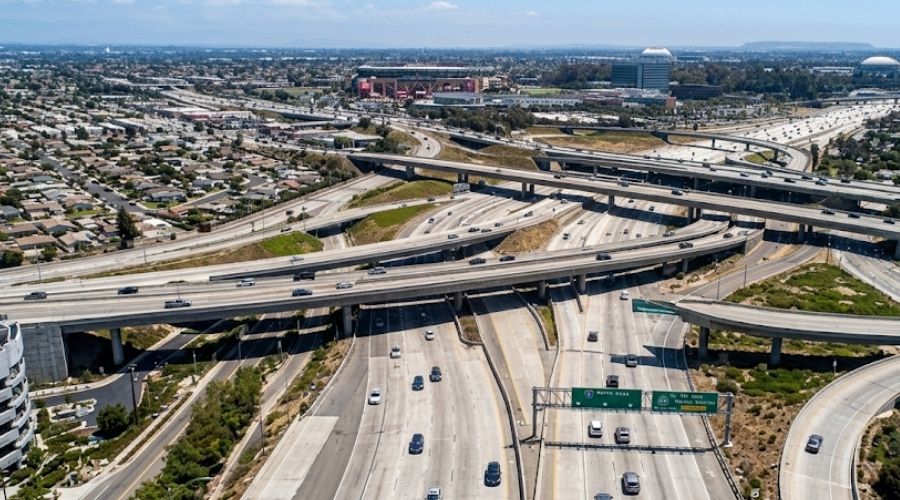
The 22 Freeway Corridor — Why Crashes Happen Here
The State Route 22 runs east-west through the city of Orange, connecting Garden Grove to the west with the city of Orange and beyond to the east. It is one of the primary commuter arteries in central Orange County, carrying high volumes of traffic through a corridor that includes dense residential neighborhoods, commercial centers, and the region’s most complex freeway interchange. From 2010 to 2019, Orange County intersections and interchanges saw nearly 60,000 collisions, resulting in 328 deaths — numbers that underscore why the Orange Crush tops most dangerous lists.
Orange County recorded over 28,000 traffic collisions in the most recent full reporting year, resulting in more than 19,000 injuries and over 200 fatalities. A significant share of those crashes concentrate in the freeway corridors, and the 22 and its connecting ramps to the 5 and 57 represent one of the county’s densest collision zones. According to the California Highway Patrol’s SWITRS crash database, freeway ramp areas consistently account for a disproportionate share of serious injuries in Orange County due to the speed differentials between merging and through traffic.
The Orange Crush — The World’s Most Complex Interchange
At the heart of the 22 Freeway’s danger profile sits the Orange Crush, the interchange where Interstate 5, State Route 22, and State Route 57 converge in a configuration so complex it earned a place in the Guinness World Records in 2002. The Orange Crush intersects 34 different interchanges across the three freeways. The ramp system involves mismatched speeds, tight merge windows, confusing one-way configurations, and sudden lane drops that create conditions for predictable crash patterns.
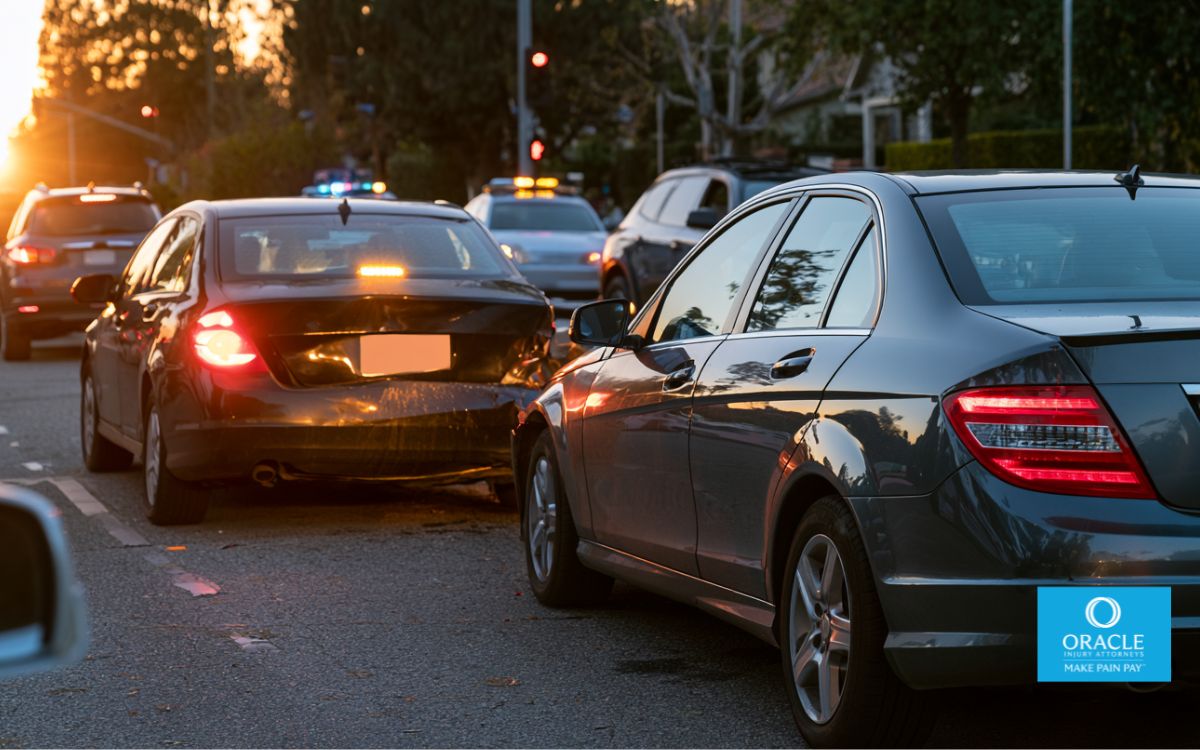
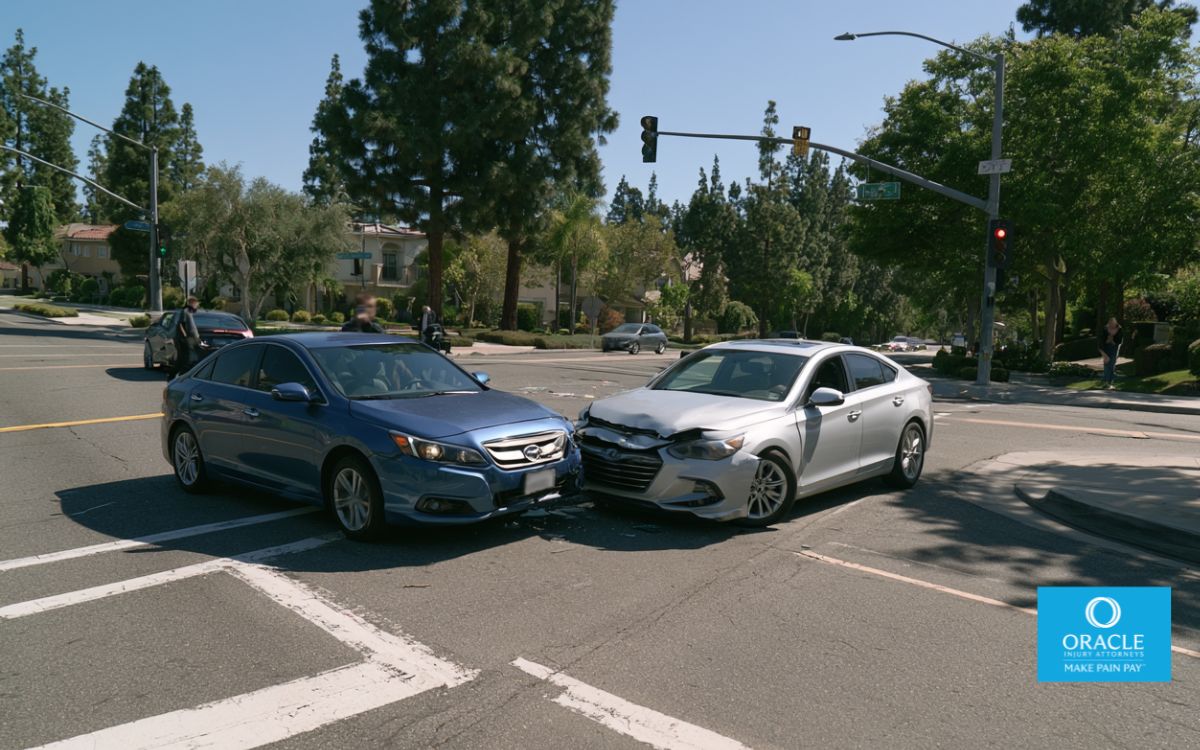
Rear-end collisions dominate due to sudden stops in congested merges. Side-impact wrecks occur at ramp junctions where speeds do not match, while wrong-way driving on confusing one-way ramps has led to head-on collisions. Multi-vehicle chain-reactions are common. Recent incidents include a fatal motorcyclist crash on the 22 Freeway section in May 2025 and a multi-vehicle pileup on the 57 in September 2025. For injury claims, the interchange’s complexity is significant: it creates more contested liability disputes than a simple two-car collision on a surface street, and it increases the likelihood that multiple parties and multiple insurance policies are involved.
Dangerous Surface Streets in Orange — Beyond the Freeway
Accidents in Orange are not limited to the 22 itself. The surface streets feeding into and out of the freeway corridor carry their own significant crash history. Chapman Avenue is one of the city’s primary east-west arterials and a consistent high-collision corridor, particularly at intersections near freeway on-ramps where drivers accelerate suddenly or make last-minute lane changes. Katella Avenue, which runs through the southern edge of the city and connects to Anaheim’s entertainment district to the west, sees heavy commercial and recreational traffic that creates rear-end and turn-related crash patterns.
The SR-55 connecting the I-405 to the SR-91 through Costa Mesa, Santa Ana, and Orange is a frequent accident corridor, particularly at the SR-55/SR-22 merge areas. The merge point where the 55 feeds into the 22 is one of the more consistently dangerous ramp junctions in the city, where drivers from the 55 must navigate a tight merge under highway speeds. Crashes at this specific junction frequently involve disputed lane-change liability — exactly the type of fault argument that benefits from an attorney familiar with this specific stretch of road.
Orange Car Accident Lawyer: What Makes These Cases Legally Complex
An Orange car accident lawyer who regularly handles 22 Freeway and Orange Crush claims understands several legal dynamics that distinguish these cases from standard surface-street collisions. The first is multi-vehicle liability. Chain-reaction crashes involving three or more vehicles — common at the Orange Crush under congested conditions — involve multiple at-fault parties, multiple insurance policies, and the Proposition 51 apportionment rules that govern how liability is divided across defendants. Identifying every party with potential liability, and understanding how Proposition 51 affects the recovery of economic versus non-economic damages, requires case-specific legal analysis.
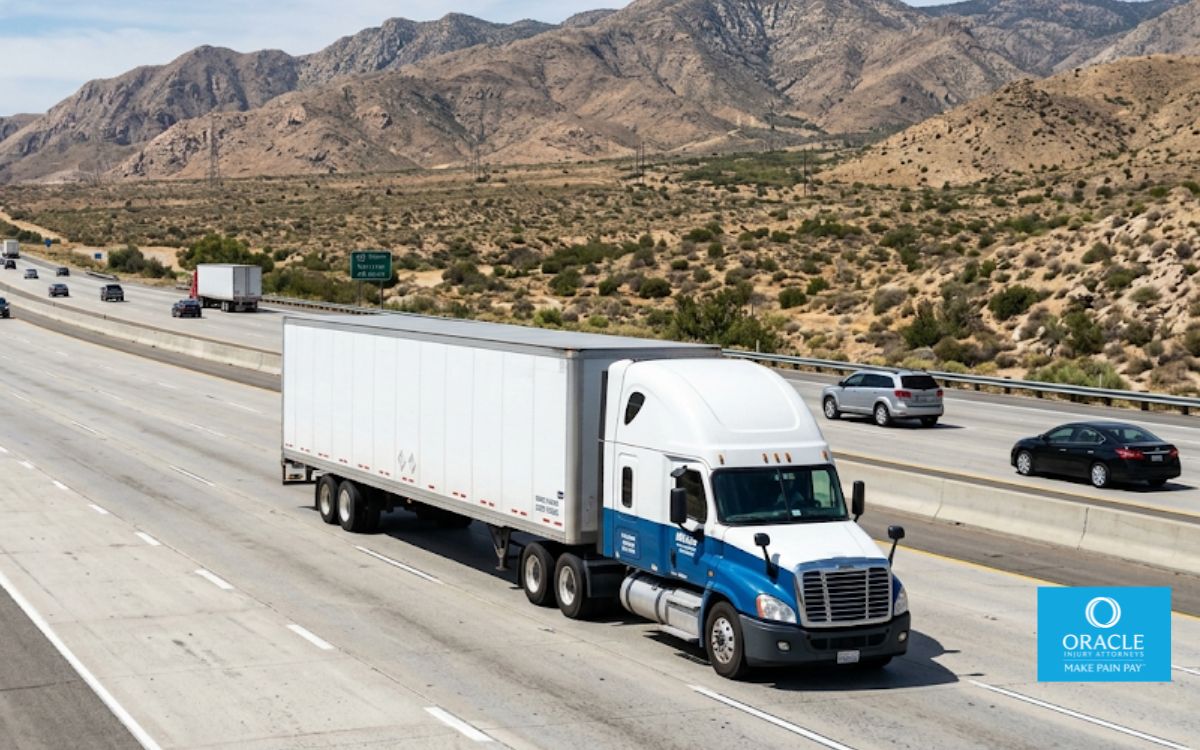
The second complexity is the commercial vehicle factor. The 22 and connecting freeways carry significant commercial truck traffic moving freight between Los Angeles, the Inland Empire, and Orange County’s port-adjacent distribution network. When a commercial truck is involved, federal FMCSA regulations, employer liability theories, and commercial insurance minimums all apply — creating a claims framework dramatically different from a standard two-car collision. The third complexity is Caltrans infrastructure liability. When a crash results from a poorly designed merge lane, inadequate signage, or a known road hazard that Caltrans had been notified of and failed to correct, a government entity claim may apply — with the six-month filing deadline that comes with it.
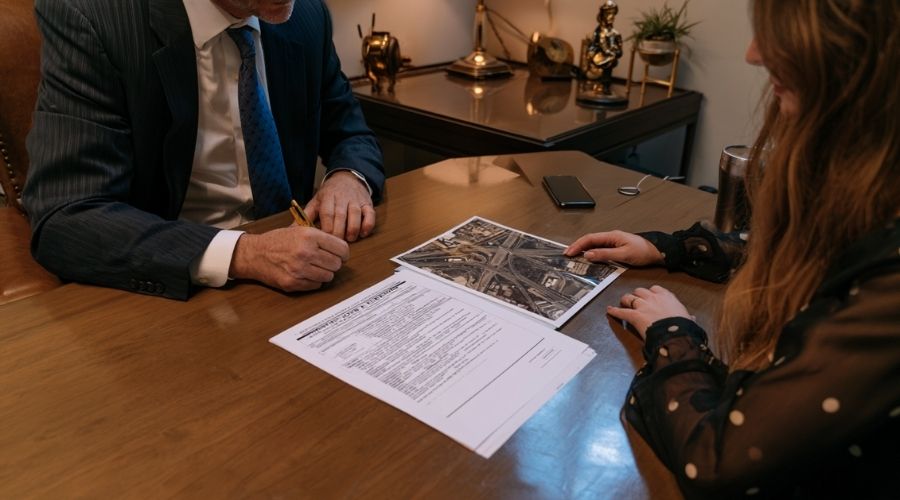
How Insurance Companies Approach 22 Freeway Claims
Insurance adjusters handling claims from the Orange Crush and 22 Freeway corridor are familiar with the complexity of these crash environments — and they use that complexity strategically. In a confusing ramp or merge situation, there is almost always room to argue that the injured party bore some share of fault for their lane position, their following distance, or their speed relative to merging traffic. California’s comparative negligence system means every percentage point of fault they assign to you reduces their payout by the same amount.
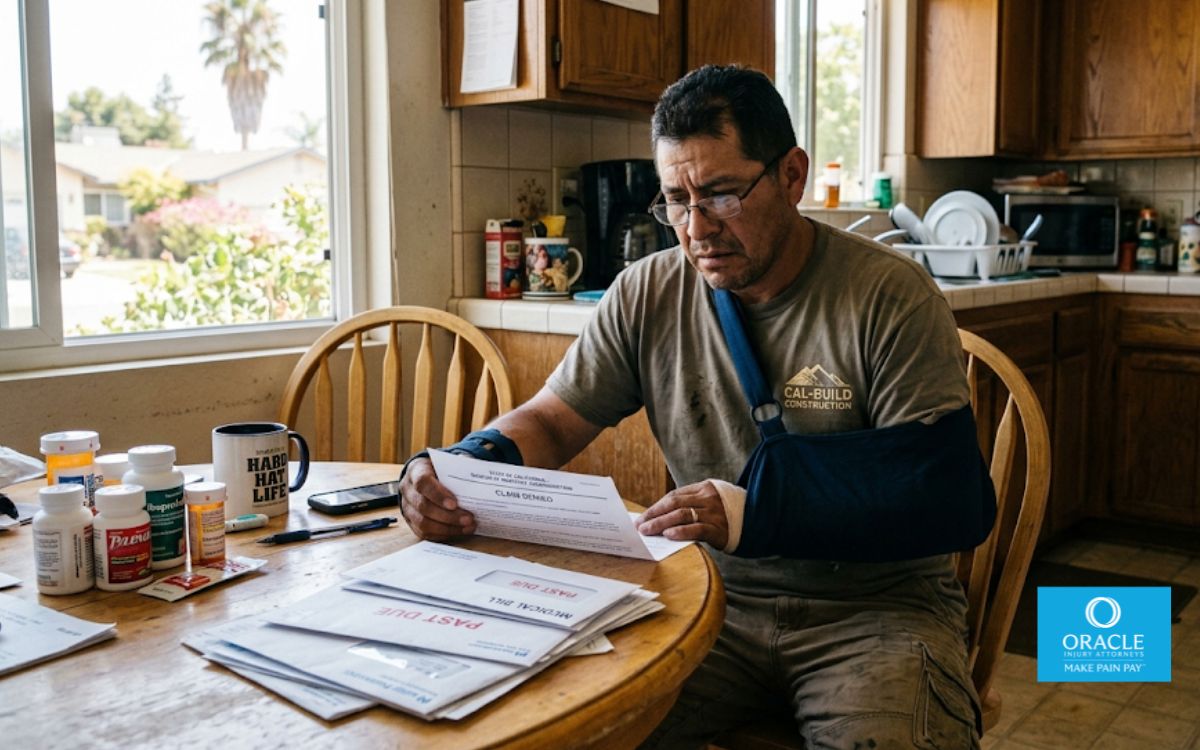
Adjusters will move quickly to take a recorded statement before delayed soft tissue injuries have fully manifested, and will push early settlement offers before the full scope of medical treatment is known. These tactics work most effectively on unrepresented claimants who do not know the full value of their claim and who do not recognize lowball offers for what they are. An experienced Orange car accident attorney handles all communications with the insurer from the first contact, challenges inflated fault assignments with evidence, and ensures no settlement is signed before medical treatment is complete and the claim is fully valued.
Evidence That Matters Most in Orange Freeway Accident Cases
The evidence available after a freeway crash in Orange differs from what is available after a surface street collision, and knowing what to look for immediately after the accident matters. California Highway Patrol traffic incident reports are the primary official record and should be obtained as soon as they are available. Freeway overhead cameras maintained by Caltrans and the Orange County Transportation Authority capture traffic on major corridors including the 22 — this footage is time-sensitive and must be requested formally through a preservation demand before it is overwritten.
Dashcam footage from your own vehicle or from other drivers who witnessed the crash is often the single most decisive piece of evidence in a disputed-liability freeway case. If commercial vehicles were involved, the truck’s black box and ELD data are critical and subject to the same rapid-overwrite timelines described in casos de accidentes de camiones. The position of vehicles, skid marks, and debris patterns documented by the responding CHP officer’s report and your own photographs at the scene establish the physical facts that support or challenge the insurer’s fault theory.
What to Do After a Crash on the 22 or at the Orange Crush
Move to the shoulder immediately if you are able — stopping in an active freeway lane after a collision creates serious secondary crash risk. Turn on hazard lights and call 911. Remain at the scene until CHP arrives and prepares an official report. If any commercial vehicles are involved, note the DOT number, carrier name, and truck identification displayed on the cab and trailer before anyone leaves the scene.
Seek medical attention the same day, even if you feel relatively uninjured at the scene. Soft tissue injuries including whiplash, herniated discs, and muscle strains are common in rear-end and side-impact freeway collisions and frequently produce delayed symptoms within 24 to 72 hours. Photograph everything you can safely access: vehicle damage, road markings, ramp configurations, and your visible injuries. Do not give a recorded statement to any insurance company before speaking with an attorney — in a complex, multi-vehicle freeway crash, what you say in the first call can shape the entire fault analysis.

Deadlines That Apply to Orange Car Accident Claims
California’s personal injury statute of limitations gives most claimants two years from the date of the accident to file a lawsuit. For claims involving Caltrans, the city of Orange, or any other government entity responsible for road design or maintenance, the Government Tort Claims Act requires a formal claim to be filed within six months of the accident — well before the standard two-year deadline. If there is any possibility that a road condition, signal timing, or infrastructure issue contributed to your crash, that six-month clock starts running immediately.
En Oracle Law Firm, nuestros Abogados de lesiones personales del condado de Orange handle car accident claims throughout the city of Orange and the surrounding 22 Freeway corridor. We offer free consultations with no upfront fees and work on a contingency basis — you pay nothing unless we recover compensation for you.
Preguntas frecuentes
Why are 22 Freeway accidents in Orange particularly complex claims?
What should I do immediately after a crash on the 22 Freeway?
Can I still recover compensation if the accident happened during my commute?
How does the Orange Crush interchange affect fault determination?
How long do I have to file a car accident claim in Orange, California?
Injured Near the 22 Freeway in Orange? Talk to an Attorney Today
Freeway crashes near the Orange Crush move fast — and so does the evidence that decides them. Oracle Law Firm | Accident & Injury Attorneys represents accident victims throughout the city of Orange and the 22 Freeway corridor with no upfront fees. You only pay if we recover compensation for you. Contacta hoy mismo con nuestro equipo. before any deadlines close and before evidence disappears.