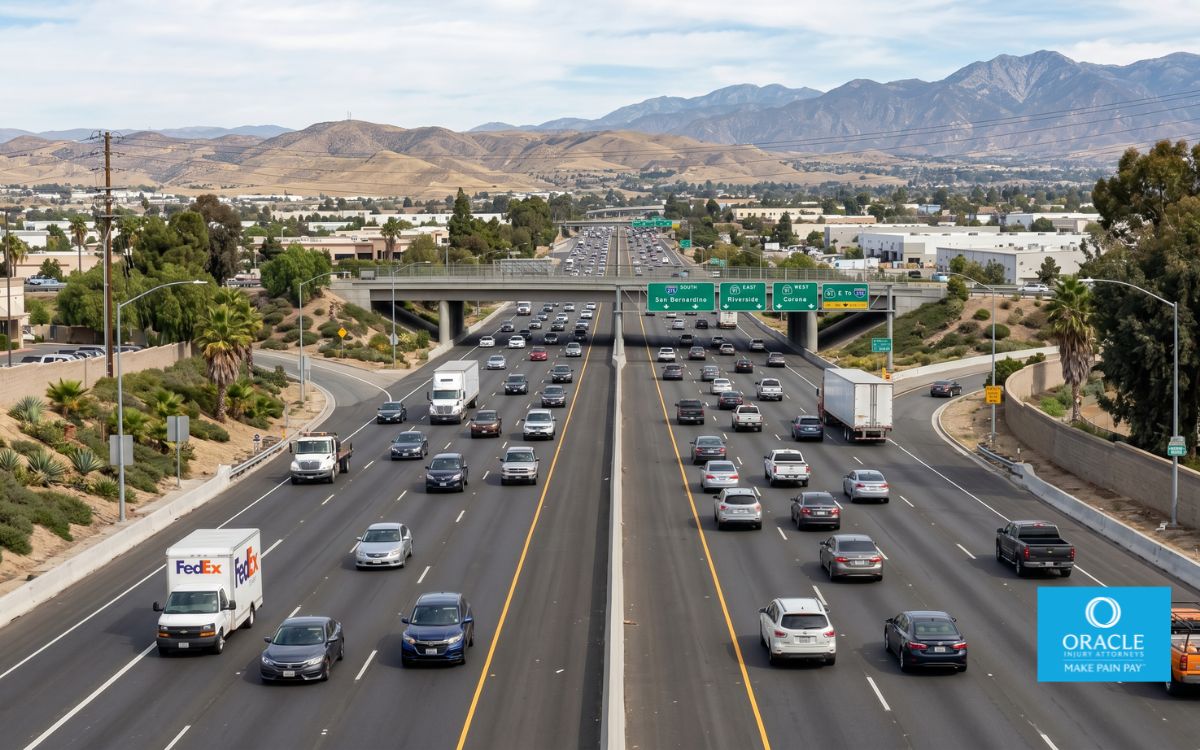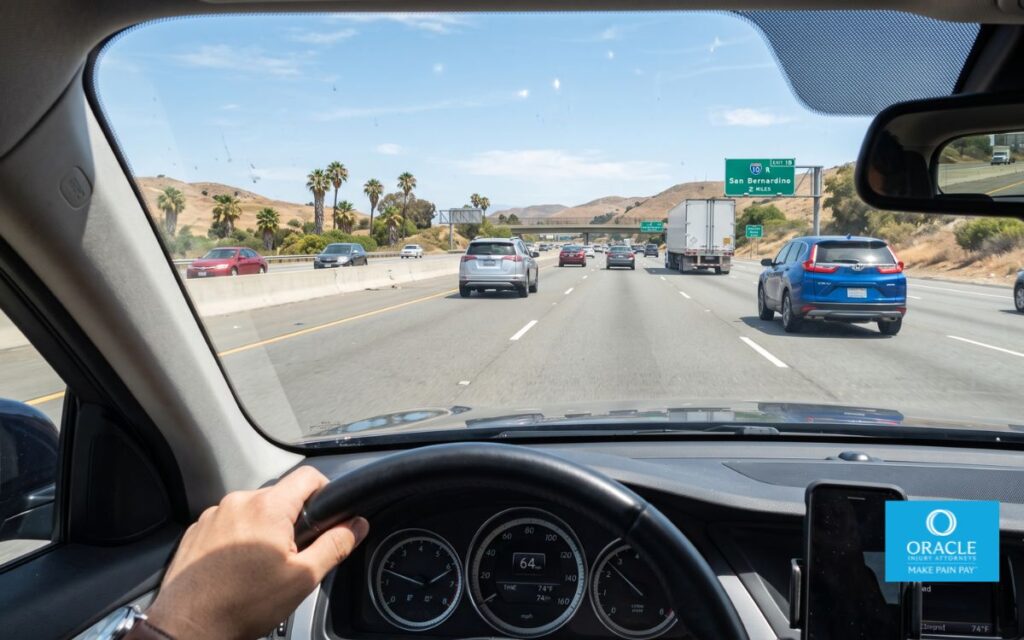
Colisiones traseras are some of the most common crashes on the road, and they are also among the most preventable. The single biggest factor behind most of them is simple: not enough space between vehicles. Closing that gap, even by a small margin, takes away the time a driver needs to react when traffic ahead slows or stops unexpectedly. The good news is that preventing this type of crash does not require advanced skill — it requires a handful of consistent habits that any driver can build.
Why Following Distance Matters More Than Most Drivers Realize
Tailgating, or following another vehicle too closely, is consistently identified as one of the leading contributing factors in rear-end collisions. Roughly 1.7 million rear-end crashes occur in the United States every year, and a significant share trace back to drivers who simply left themselves no room to respond when the car ahead braked.
The problem compounds itself in two ways. First, following too closely removes your margin for error if the driver ahead does something unexpected. Second, it actively limits your visibility, since a vehicle directly in front of you blocks your view of the road further ahead, hazards, brake lights, and developing traffic patterns that a few extra car lengths would let you see in time to react smoothly rather than abruptly.
The Three-Second Count — Your Baseline Tool
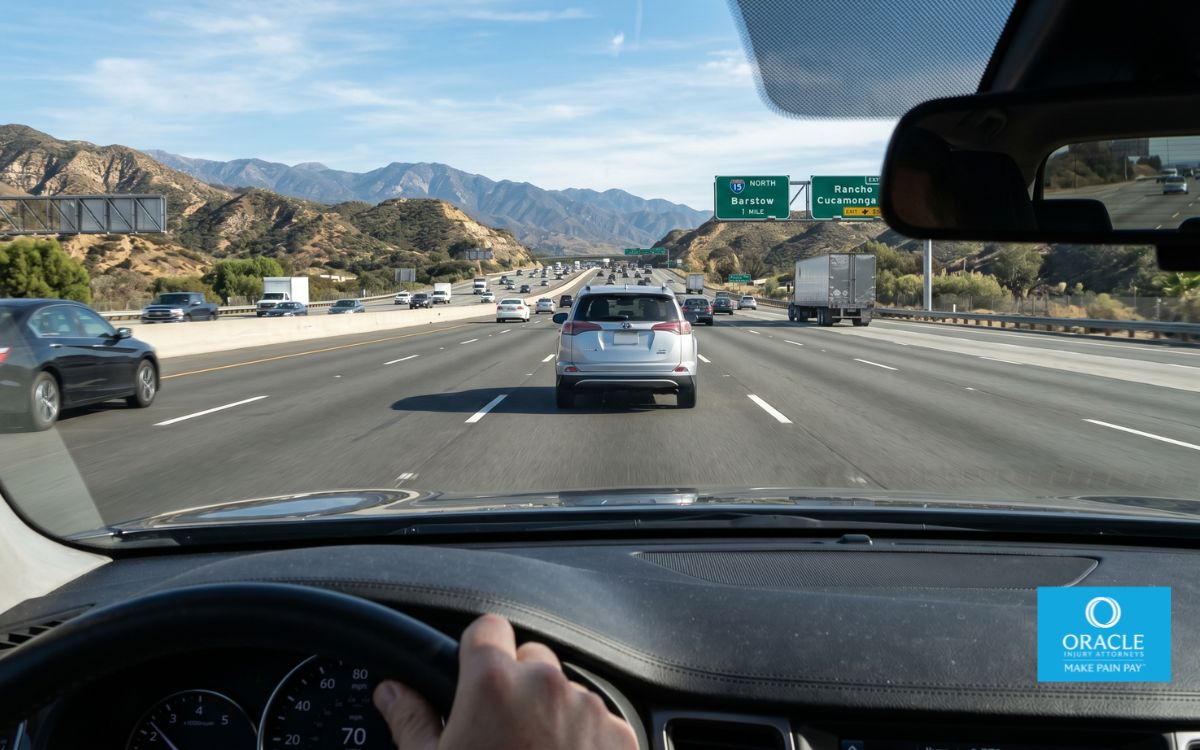
The most widely taught technique for judging following distance is simple enough to use on every drive. Pick a fixed point ahead — a road sign, a tree, an overpass — and begin counting “one-thousand-one, one-thousand-two, one-thousand-three” the moment the vehicle in front of you passes that point. If you reach the same point before finishing the count, you are following too closely and need to ease back.
Este three-second baseline works well in normal conditions at moderate speeds, but it is a starting point, not a fixed rule for every situation. Several common conditions call for extending that gap well beyond three seconds, and recognizing them is what actually prevents collisions rather than just satisfying a rule of thumb.
Adjusting for Weather and Road Conditions
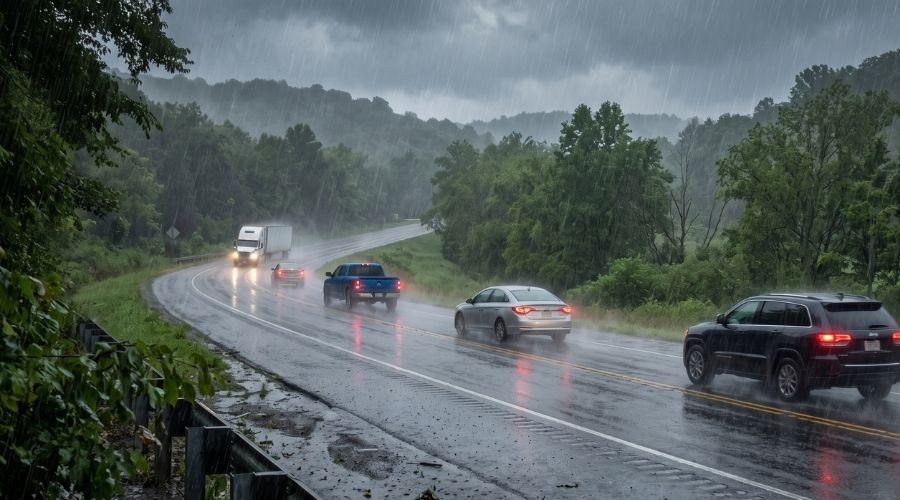
Weather changes how quickly your vehicle can actually stop, which means your following distance needs to change with it. In light rain or fog, extending your gap to four to six seconds is a reasonable adjustment. In heavier rain, snow, ice, or dense fog, increasing your following distance to five seconds or more — and up to ten seconds in extremely slippery conditions — gives you the margin that reduced traction takes away.
It is worth resisting a common but risky instinct in poor visibility: following closer to the car ahead in order to “see better” through their position or use their taillights as a guide. This instinct is exactly backward. Closing the gap in low-visibility conditions is one of the more common ways multi-vehicle pileups start, since reduced traction means everyone in the chain needs more space, not less.
Adjusting for Speed
Higher speeds demand more following distance, not just because you are covering more ground per second, but because your actual physical stopping distance increases substantially as speed increases. A vehicle traveling at 65 mph needs considerably more room to come to a complete stop than one traveling at 35 mph, even though the reaction-time portion of the equation stays roughly the same.
On surface streets and in light traffic at lower speeds, the standard three-second count is generally sufficient. On freeways and at higher speeds, many safety guides recommend stretching that count further, sometimes to four seconds or more, to account for the additional distance your vehicle will travel before coming to a full stop.
Adjusting for the Vehicle You’re Following
Not every vehicle on the road behaves the same way when it brakes, and your following distance should reflect that. Large trucks, buses, and other commercial vehicles carry significantly more weight, which means they take longer to stop than a typical passenger car traveling at the same speed — adding extra following time when behind one of these vehicles gives you a more realistic safety margin.
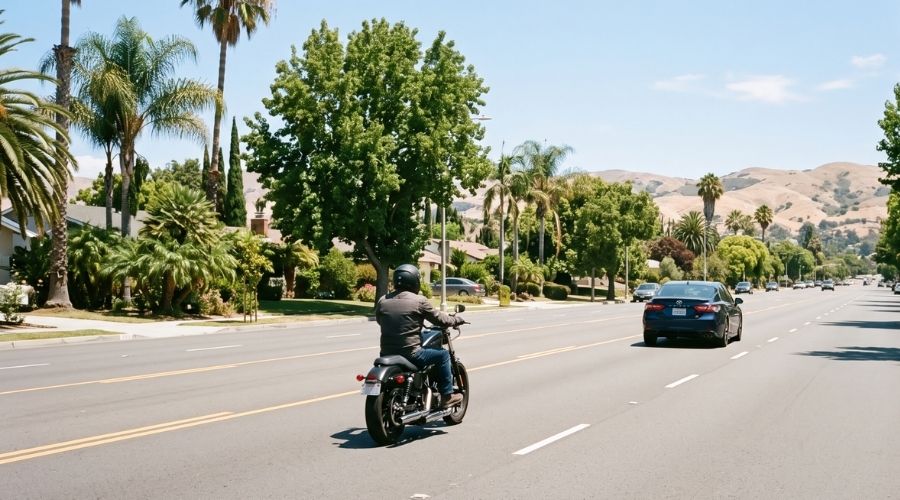
Motorcycles present a different challenge. They can decelerate faster than a car in certain situations, and their smaller visual profile makes it genuinely harder for the human eye to judge closing speed accurately. Following a motorcycle, or other smaller, lighter vehicles, with extra space accounts for both the unpredictability and the visual judgment difficulty involved. The same logic applies to farm equipment, construction vehicles, and anything moving at a fraction of normal traffic speed — give yourself meaningfully more room than you think you need.
Scan Ahead, Not Just at the Car in Front of You
Following distance is only half of the prevention equation. The other half is where your eyes are actually pointed. Drivers who fix their attention solely on the bumper directly in front of them lose the early warning signs that would let them react smoothly — brake lights several cars ahead, a lane starting to slow, a vehicle merging onto the freeway, debris or a pothole coming into view.
Scanning further down the road, beyond the vehicle directly ahead, gives you the time to ease off the accelerator gradually rather than slamming the brakes at the last second. This single habit, combined with adequate following distance, is what allows a driver to absorb sudden traffic changes smoothly instead of being caught off guard by them.
What to Do If You’re the One Being Tailgated
Following distance is not only about the space you maintain in front of you — it also matters when someone is following too closely behind you. The instinct to react, whether by speeding up out of frustration or tapping the brakes to send a message, tends to make the situation worse rather than better.
The safer approach is to stay calm and maintain a steady speed. When it is safe to do so, move into another lane and let the tailgater pass, or ease gradually off the accelerator to slowly open up more space ahead of you. If you feel you need to alert the driver behind you that they are following too closely, a light, gentle tap of the brakes to flash your lights is a reasonable way to signal that without abruptly changing your speed. What you should avoid entirely is intentionally slamming on your brakes to startle or punish a tailgater — that maneuver is considered aggressive driving, and if it leads to a collision, you may be found partially liable for it despite having been the lead vehicle.
Why Prevention Matters More Than Knowing Who’s at Fault
It is worth remembering that the rear driver in a rear-end collision is generally presumed at fault under California law, precisely because maintaining adequate following distance is meant to prevent exactly this type of crash. But knowing that legal presumption exists is no substitute for actually avoiding the collision in the first place. A settlement, even a fair one, never fully offsets an injury, lost time, or the disruption a crash causes to daily life. The habits described here exist to keep you out of that situation entirely, not just to put you in a stronger position after the fact.
If you have been in a rear-end collision despite taking reasonable precautions, our related guide on the three-second rule and how it factors into fault explains how California law treats following distance after a crash has already occurred. And if you need legal guidance following an accident, our abogados de accidentes automovilísticos are available to help you understand your options.
Building the Habit for Good
Like most defensive driving skills, maintaining a safe following distance becomes automatic with repetition. Start by consciously running the three-second count on every drive until it becomes second nature, and build in the habit of adjusting that baseline up whenever weather, speed, or the vehicle ahead of you calls for more room. The handful of seconds this costs you on a typical drive is a small trade-off compared to the time, stress, and risk of injury that come with a preventable rear-end collision.
Preguntas frecuentes
How common are rear-end collisions caused by tailgating?
How much following distance should I add in rain or fog?
Should I leave more space when following a truck or motorcycle?
What should I do if someone is tailgating me?
Is intentionally brake-checking a tailgater illegal?
Already in a Rear-End Collision? Talk to an Attorney — No Cost, No Obligation
Even the most careful drivers can end up in a crash caused by someone else’s failure to maintain a safe following distance. Oracle Law Firm | Accident & Injury Attorneys offers free, confidential consultations across Southern California with no upfront fees — you only pay if we win your case. Contacta hoy mismo con nuestro equipo. para saber exactamente en qué situación te encuentras.