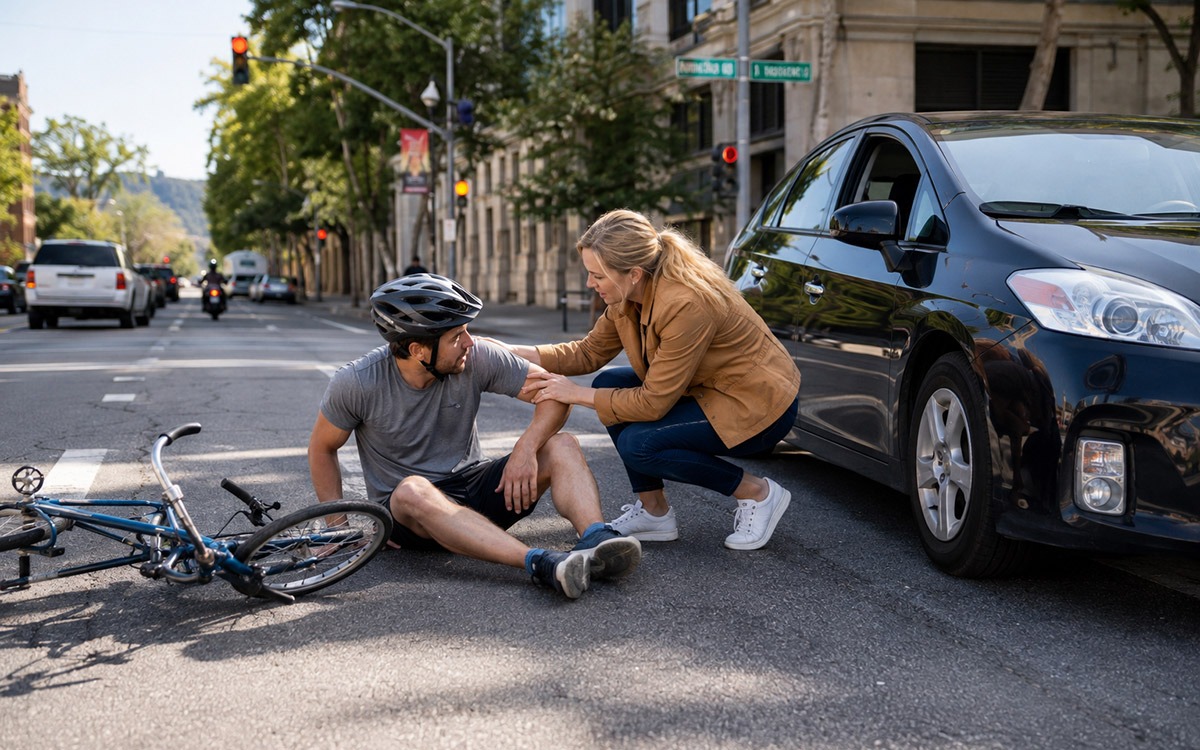
Getting hit by a car while cycling is disorienting and often serious. Call 911, get medical care, document the scene, and avoid saying anything that sounds like an admission of fault. California law generally favors cyclists in these crashes, but insurance companies will still try to shift blame. A bicycle accident lawyer in condado de Orange can protect your claim from the first phone call onward.
Getting hit by a car while riding a bike is not a fender bender. There’s no metal frame, no airbag, and nothing between your body and the pavement except a helmet, if you were lucky enough to be wearing one. If you’re reading this after a crash, you’re probably in pain, dealing with a mangled bike, and fielding calls from an insurance adjuster who wants a recorded statement before you’ve even seen a doctor. A bicycle accident lawyer in Orange County can slow that process down and put the pressure back where it belongs: on the driver who hit you and the insurance company protecting their bottom line. Here’s what to do right now and how fault actually gets decided when a car hits a cyclist.
What to Do in the First Hours After the Crash
Call 911 even if your injuries seem minor. A police report creates an official record of the crash, and adrenaline often hides injuries that show up hours or days later, especially head trauma and soft tissue damage.
Once you’re safe, get medical attention the same day if at all possible. Emergency rooms and urgent care clinics document injuries while they’re fresh, and that paper trail becomes critical evidence later. Waiting a week to see a doctor gives the insurance company a reason to argue your injuries weren’t serious or weren’t caused by the crash at all.
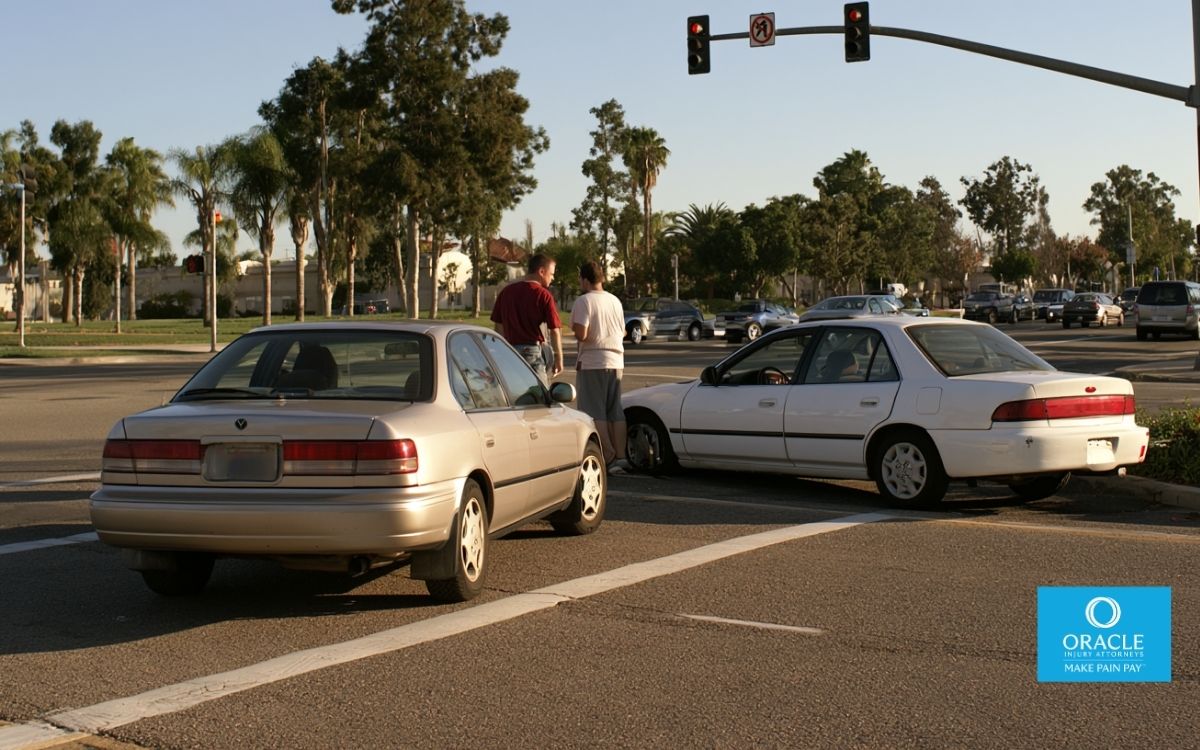
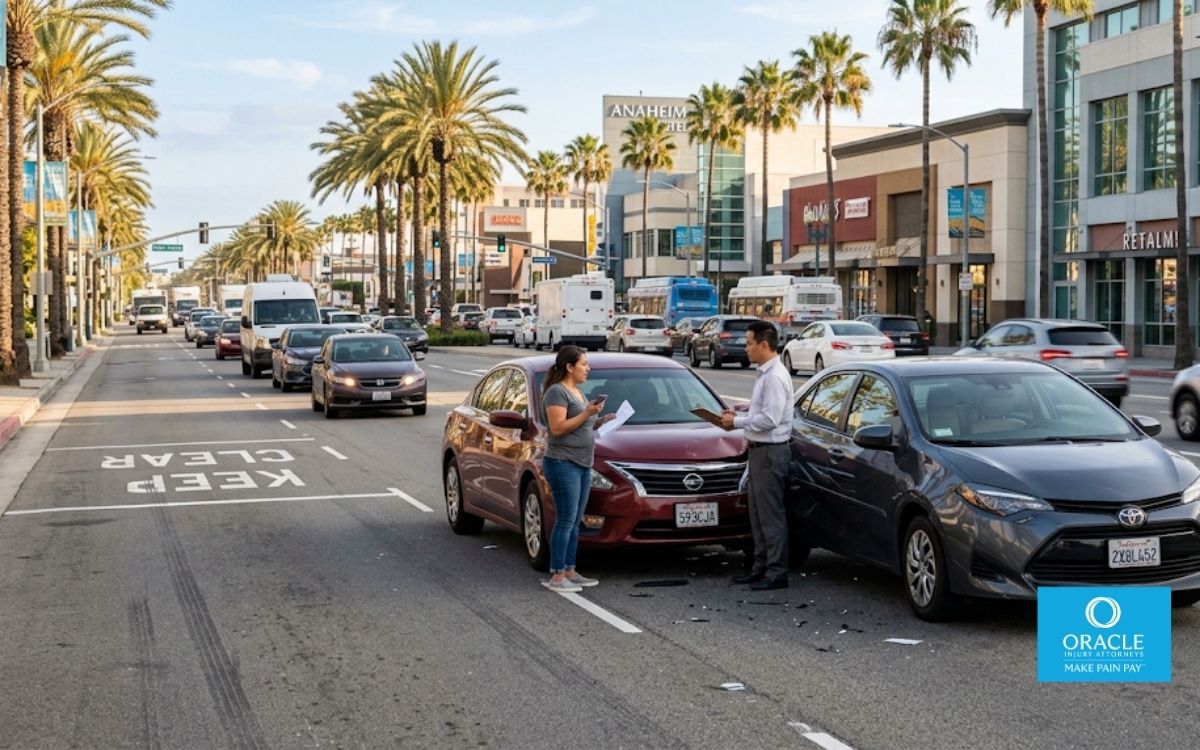
If you’re physically able, take photos: your bike, your injuries, the vehicle, skid marks, the road position, traffic signals, and anything else that shows how the crash happened. Get the driver’s name, license number, and insurance information, and ask any witnesses for their contact details. Do not tell the driver or a responding officer that you’re “fine” or that the crash was your fault. You may be in shock, and those statements can resurface in an insurance file.
Who’s Usually at Fault When a Car Hits a Cyclist
En most car-versus-bike collisions in California, the driver bears primary responsibility, because cyclists are legally entitled to the same rights and duties as any other vehicle on the road under California Vehicle Code 21200. Drivers who fail to yield, turn without checking, or misjudge a cyclist’s speed are usually the ones who caused the crash.
Certain patterns show up again and again in Orange County bicycle crashes. The “right hook,” where a driver passes a cyclist and then turns right directly into their path, is one of the most common. Left-turn crashes, where a driver turns across an intersection without seeing an oncoming cyclist, are another problem. So is “dooring,” where a parked driver flings open a car door into a bike lane. Under California Vehicle Code 22517, it’s illegal to open a vehicle door into moving traffic, including bicycles, unless it can be done safely. Violating that rule is treated as negligence in itself.
None of these violations means fault is automatic. Insurance investigators will look at lane position, signal use, lighting, and helmet use to build their own version of events, usually one that shifts as much blame onto the cyclist as they can manage.
Cyclists have the same rights on the road as any other vehicle. Drivers who forget this are usually at fault.
California’s Three-Foot Passing Rule and Other Driver Duties
California’s Three Feet for Safety Act, found in Vehicle Code 21760, requires drivers to leave at least three feet of space when passing a cyclist going the same direction. If traffic conditions make that impossible, the driver has to slow down and wait until it’s safe to pass, not squeeze by anyway.
A 2023 update to the law went further, requiring drivers to change lanes to pass a cyclist whenever it’s feasible to do so. A driver who clips a cyclist while trying to pass too close or who never bothered to check their mirror before swerving over is violating a specific, well-documented legal duty. That’s powerful evidence in a claim, because it turns a “he-said, she-said” argument into a violation of a written statute.
These aren’t obscure technicalities. They’re the rules Oracle Law Firm points to constantly when negotiating with insurance adjusters who try to claim a driver “didn’t see” the cyclist or “didn’t have room” to pass safely. Not having room is not a legal excuse in California.
Comparative Negligence: What If You Were Partly at Fault
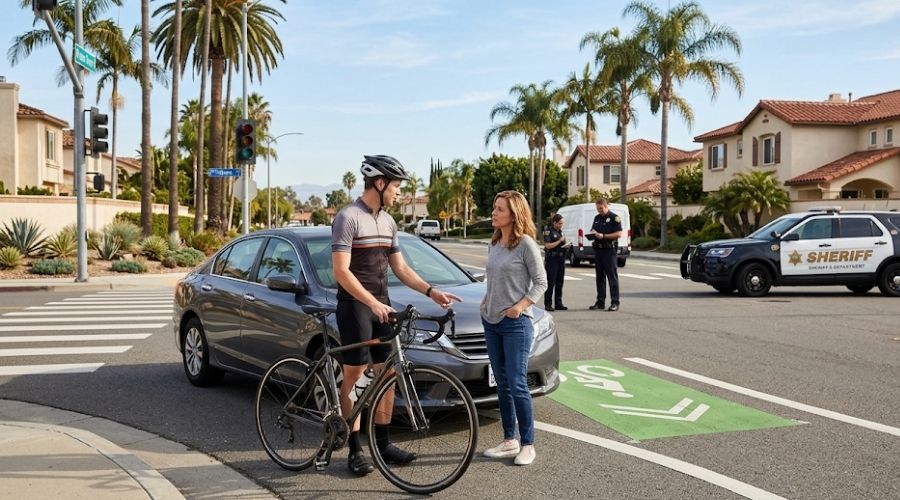
California uses a pure comparative negligence system, which means you can still recover compensation even if you share some blame for the crash. Under this rule, your total damages are simply reduced by your percentage of fault, so a cyclist found 20 percent responsible can still collect 80 percent of their damages from the driver.
This matters because insurance companies love to pin partial fault on cyclists. Maybe you were riding without lights at dusk, or you rolled through a stop sign. Those facts might reduce your recovery, but under California’s approach (rooted in Civil Code 1714), they rarely eliminate it entirely. Some states cut off your right to recover anything once you’re found 50 or 51 percent at fault; California doesn’t work that way.
The catch is that insurers know most people don’t understand the law. They’ll often present an inflated fault percentage as a take-it-or-leave-it offer, hoping you assume you have no case at all. You almost always have more leverage than the first offer suggests.
Dealing With the Driver’s Insurance Company
The driver’s insurance company is not on your side, no matter how friendly the adjuster sounds on the phone. Their job is to close your claim for as little money as possible, and a cyclist without a lawyer is an especially vulnerable target because you don’t have their playbook.
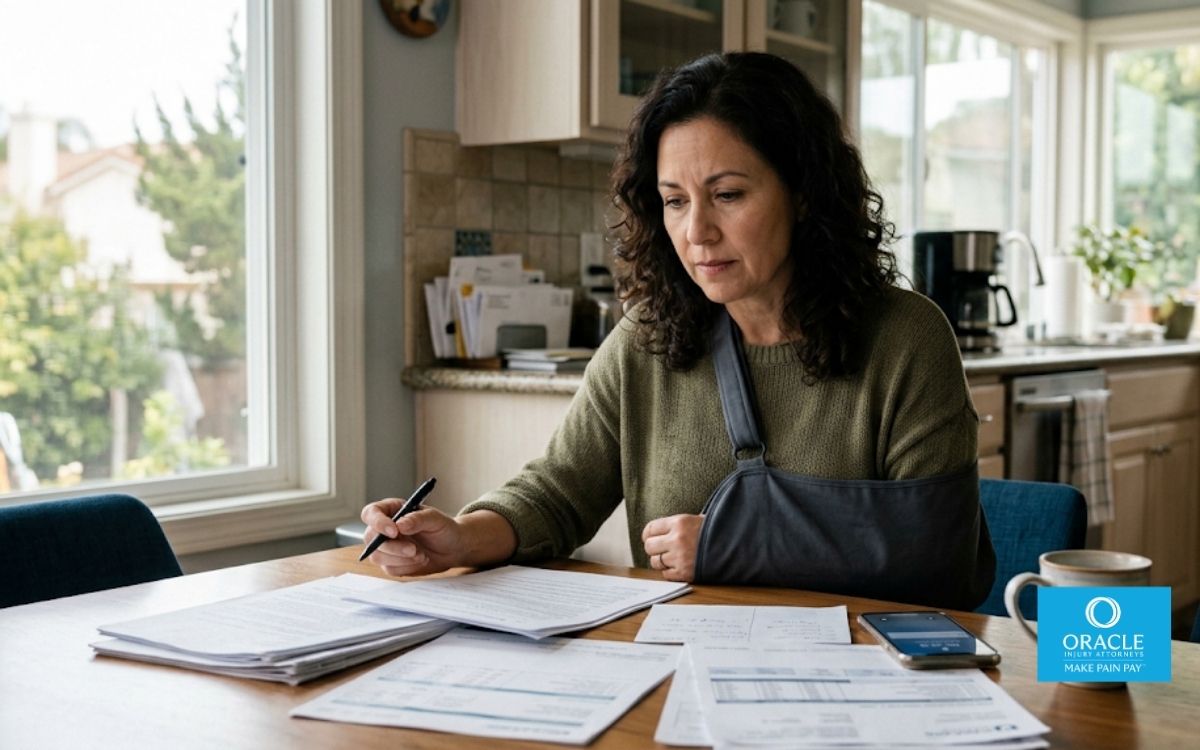
Adjusters commonly ask for a recorded statement early, before you know the full extent of your injuries. They’ll ask leading questions designed to get you to downplay pain or accept partial blame. They may also offer a fast settlement that looks generous until you realize it doesn’t come close to covering surgery, physical therapy, lost income, or a bike that isn’t cheap to replace.
You are not required to give a recorded statement to the other driver’s insurer, and you shouldn’t sign anything or accept a settlement before understanding the full cost of your injuries. This is precisely where a lesiones personales attorney earns their keep: handling every call, every form, and every lowball number so you can focus on healing.
The adjuster’s job is to close your claim cheap. Ours is to make sure that never happens.
Orange County’s Bike Routes and Why Location Matters
Where a crash happens can shape how the case gets investigated and who else might share liability. Orange County has a dense mix of coastal roads, riverside trails, and city bike lane networks, and each type of route carries its own risk pattern.
Pacific Coast Highway is beautiful and brutal for cyclists at once: high speeds, heavy tourist traffic, and drivers distracted by ocean views make crashes along PCH in Newport Beach, Laguna Beach, and Huntington Beach frequent and often severe. The Santa Ana River Trail, a paved path that runs for miles through Anaheim, Orange, and Costa Mesa, feels safer because it’s separated from traffic, but conflicts still happen at street crossings where drivers roll through without checking for oncoming riders. City bike lane networks in places like Irvine and Santa Ana add another layer: painted lanes that disappear at intersections, right-turn conflicts, and drivers parking in the bike lane itself.
Knowing the specific road, trail, or intersection where a crash happened helps build the case, because it often points to whether a driver violated a specific traffic control, ignored bike lane markings, or was simply not paying attention. If you were hurt anywhere in the region, our team’s familiarity with local roads through condado de Orange helps us reconstruct exactly what went wrong.
What Compensation Can Cover After a Bicycle Accident
Bicycle crash injuries tend to be more severe than typical fender benders because riders have almost no protection. Compensation in these cases typically accounts for medical bills (both current and future), lost wages, pain and suffering, and property damage to your bike and gear.
Serious crashes involving broken bones, road rash requiring skin grafts, or traumatic brain injury can mean months of treatment and rehabilitation. A single settlement number offered a week after the crash almost never reflects what that full recovery will actually cost. That’s one reason it pays to understand your claim’s full value before agreeing to anything, whether the crash happened while cycling, in a accidente automovilistico, or another type of collision entirely.
Conclusión
Getting hit by a car while cycling turns your day upside down, and the insurance process that follows can feel like it’s stacked against you from the start. It usually is, unless someone is pushing back on your behalf. California law gives cyclists real protections, from the three-foot passing rule to fault rules that let you recover compensation even if you shared some blame, but insurance companies count on you not knowing that.
¿Ha sufrido un accidente o se ha lesionado en el trabajo? No tiene por qué lidiar solo con las compañías de seguros. El bufete de abogados Oracle lucha para que usted obtenga la indemnización, el control y la claridad que merece.
Obtén una consulta gratuita o llame al 888.597.4099.
Preguntas frecuentes
Do I need a bicycle accident lawyer in Orange County if the driver already admitted fault?
An admission at the scene doesn’t guarantee the insurance company will honor it. Adjusters frequently dispute fault later or argue your injuries were less serious than claimed. A lawyer makes sure that early admission actually translates into a fair settlement.
How long do I have to file a bicycle accident claim in California?
Most personal injury claims, including bicycle accidents, must be filed within two years of the crash date under California’s statute of limitations. If a government vehicle or entity was involved, that deadline can shrink to as little as six months, so it’s worth confirming your timeline quickly.
What if I wasn’t wearing a helmet when I was hit?
California doesn’t require adult cyclists to wear helmets, and not wearing one usually doesn’t affect who caused the crash. It could come up in a discussion about the severity of head injuries, so it’s another reason to have someone advocating for the full picture of your case.
Can I still recover money if I was partly at fault for the crash?
Yes. California’s pure comparative negligence rule allows you to recover compensation even if you share some responsibility, with your total reduced by your percentage of fault. There’s no cutoff percentage that eliminates your right to recover.
What should I avoid saying to the driver’s insurance company?
Avoid giving a recorded statement, guessing about your injuries, or agreeing to any settlement before you’ve been evaluated by a doctor and understand the full cost of your recovery. Anything you say can be used to minimize your claim later.
Disclaimer: This article is for general informational purposes only and does not constitute legal advice. Every bicycle accident case depends on its own specific facts, and past results do not guarantee future outcomes. Contact Oracle Law Firm for guidance about your specific situation.