After an accident in Costa Mesa, building a strong personal injury claim is not just about proving that you were hurt. It is about proving how the injury happened, who is responsible, and how it has affected your life. Evidence is the foundation of that process, and the strength of your case often depends on the quality and consistency of the proof you present.
Without solid evidence, even a valid claim can be challenged or undervalued by insurance companies.
Why Evidence Matters in Personal Injury Cases
Insurance companies do not rely on assumptions. They base their decisions on documented proof. The more credible and detailed your evidence is, the more difficult it becomes for insurers to deny or reduce your claim.
Strong evidence helps establish liability, confirms the extent of your injuries, and demonstrates the financial and personal impact of the accident. It also creates leverage during settlement negotiations.
The Most Important Types of Evidence
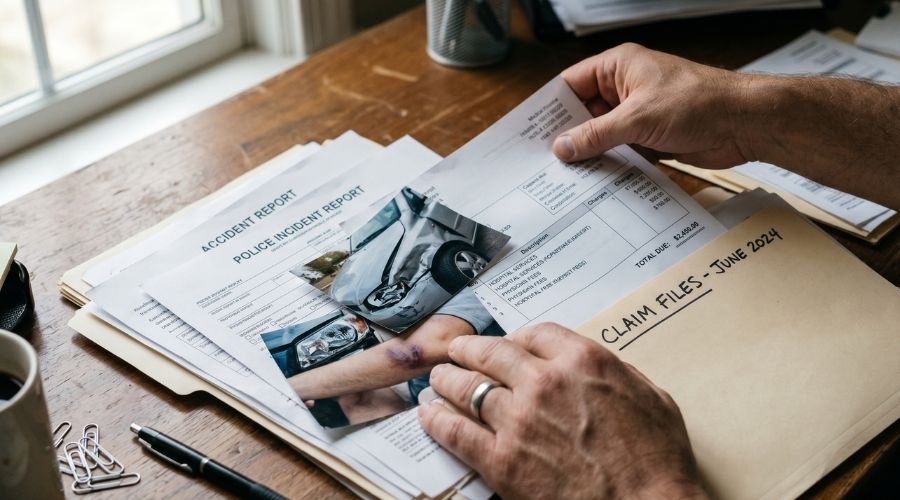
Medical records are often the most critical component of a personal injury claim. They provide a direct link between the accident and your injuries, outlining diagnosis, treatment, and recovery progress. Consistent medical care strengthens your credibility and supports the value of your claim.
Accident reports also play a key role. Police reports or incident reports document the details of the event, including statements from those involved and any initial findings regarding fault. These records can carry significant weight during negotiations.
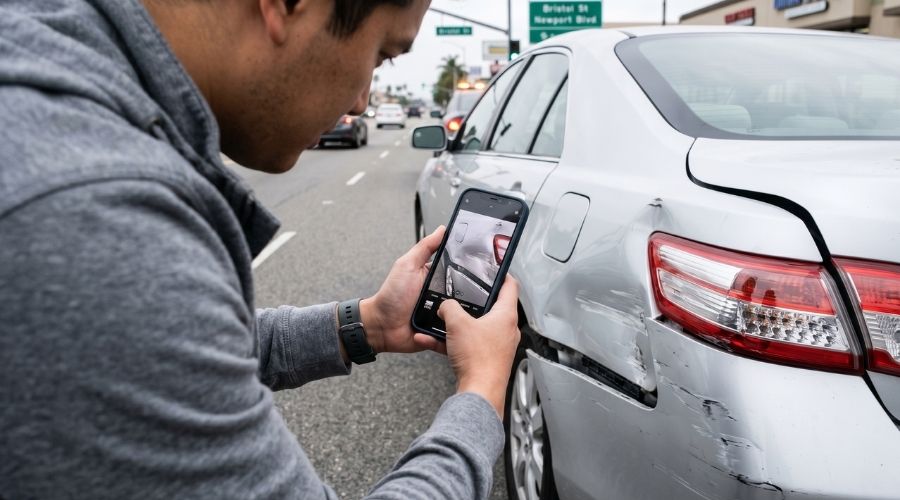
Photographic evidence can capture details that may otherwise be forgotten or disputed. Images of the accident scene, vehicle damage, visible injuries, and surrounding conditions help create a clear and objective picture of what occurred.
Witness statements add another layer of support. Independent accounts from people who saw the accident can confirm your version of events and strengthen your argument, especially when liability is disputed.
Expert opinions may also be necessary in more complex cases. Medical professionals, accident reconstruction specialists, and economic experts can provide detailed analysis that supports your claim and explains long-term consequences.
How Evidence Affects Settlement Value
The strength of your evidence directly influences how much your case may be worth. Clear and well-documented proof makes it easier to establish liability and justify higher compensation. Weak or incomplete evidence, on the other hand, gives insurance companies room to question your claim and offer less.
When evidence clearly shows fault and demonstrates the full impact of your injuries, insurers are more likely to settle for a fair amount rather than risk a legal dispute.
Common Evidence Mistakes to Avoid
One of the most common mistakes is failing to seek medical treatment immediately. Delays can create doubt about whether your injuries were caused by the accident. Gaps in treatment can also weaken your claim.
Another issue is not preserving evidence at the scene. Without photos or witness information, important details may be lost. Inconsistent statements or incomplete documentation can also create challenges later in the process.
Even small oversights can affect the overall strength of your case.
How to Preserve Strong Evidence
Taking the right steps early can make a significant difference. Seeking prompt medical care creates a clear record of your injuries. Documenting the accident scene and keeping copies of all related records helps ensure that important information is not lost.
Maintaining organized records of expenses, treatment, and communication with insurance companies can also support your claim. The more thorough your documentation, the stronger your position becomes.
The Role of Legal Guidance
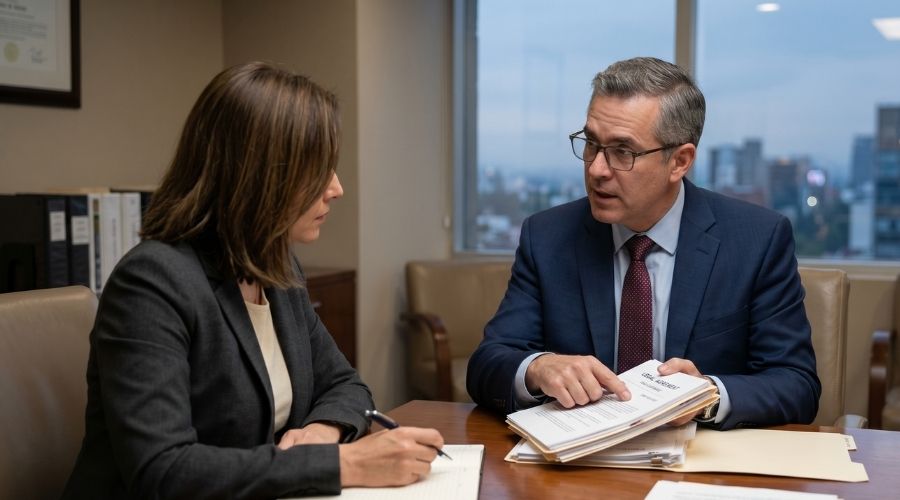
A personal injury attorney can help identify what evidence is needed and ensure it is properly collected and presented. They can also work with experts, gather additional documentation, and build a strategy that highlights the strengths of your case.
Legal guidance is especially valuable when dealing with complex claims or when insurance companies challenge your evidence.
Building a Strong Case in Costa Mesa
A successful personal injury claim in Costa Mesa depends on more than just the facts of the accident. It depends on how well those facts are supported by evidence.
Strong, consistent documentation can make the difference between a denied claim and a fair settlement. Understanding what evidence matters and how to preserve it puts you in a better position to protect your rights.
Take Control of Your Claim
If you have been injured in an accident, focusing on gathering and preserving evidence early can have a lasting impact on your case. The stronger your proof, the stronger your claim.
Contact us for a free consultation and get answers to your questions.
Frequently Asked Questions
What is the most important evidence in a personal injury case?
Medical records are often the most important because they connect your injuries directly to the accident and show the extent of your treatment.
Do photos really help in a personal injury claim?
Yes. Photos of the accident scene, damage, and injuries provide clear visual proof that supports your version of events.
What if there were no witnesses to the accident?
You can still build a strong case using medical records, accident reports, and other forms of evidence.
Can I still win my case with limited evidence?
It is possible, but weaker evidence can reduce your chances of receiving full compensation.
How can a lawyer help with evidence?
A lawyer can gather, organize, and present evidence effectively, and may bring in experts to strengthen your case.