Workplace injuries can occur in almost any type of job, whether on a construction site, in a warehouse, at a hospital, or in an office. Some injuries happen suddenly due to accidents, while others develop gradually over time from repetitive motions or exposure to unsafe conditions.
Workers’ compensation is designed to help employees recover from work-related injuries or illnesses by covering medical bills, replacing part of their wages, and providing other benefits—usually without needing to prove employer fault. Knowing which injuries are typically covered can help workers understand their rights to benefits and seek help promptly.
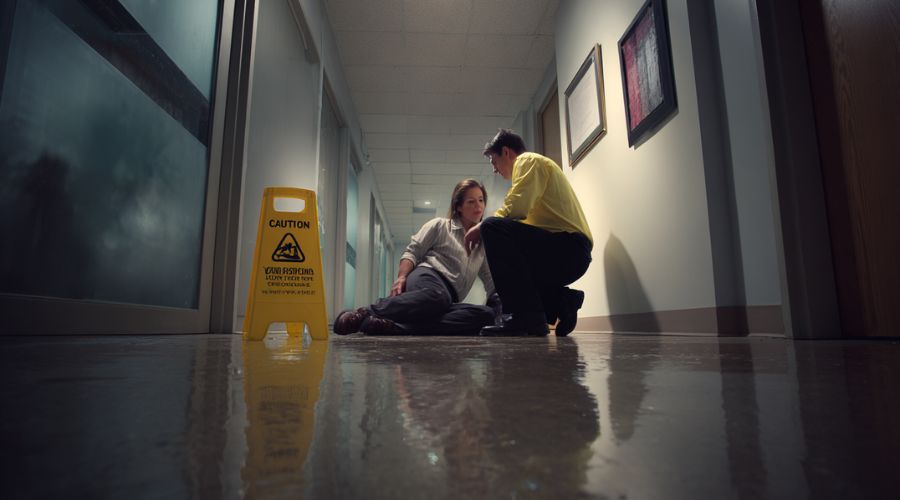
Slip and Fall Injuries
Slip and fall accidents are some of the most common workplace injuries. Factors like wet floors, uneven surfaces, loose cords, cluttered pathways, and inadequate lighting all contribute to a higher fall risk at work.
These accidents often result in:
- Broken bones
- Sprains and strains
- Back and spinal injuries
- Head injuries or concussions
Workers’ compensation usually covers slip and fall injuries if they happen while the employee is engaged in job-related tasks.
Repetitive Stress and Overuse Injuries
Not all workplace injuries occur suddenly. Repetitive stress injuries develop gradually from repeated motions, awkward positions, or extended physical effort. They are common in office settings, manufacturing, healthcare, and assembly-line jobs.
Common repetitive stress injuries include:
- Carpal tunnel syndrome
- Tendinitis
- Tennis elbow
- Chronic neck, shoulder, or back pain
Even though these injuries may not be tied to a specific incident, they are often covered by workers’ compensation.
Back and Spine Injuries
Back injuries are a primary reason for missed workdays. Activities such as lifting heavy items, twisting, falling, or sitting for long periods can lead to severe spinal injuries.
Workers’ compensation may cover back-related injuries such as:
- Herniated or bulging discs
- Muscle strains and ligament damage
- Nerve injuries
- Spinal cord injuries
Because back injuries can worsen over time, reporting symptoms as soon as they appear is essential.
Construction and Industrial Accidents
Construction sites, warehouses, and industrial facilities pose a higher risk of severe injury from heavy machinery, power tools, and hazardous work environments.
Common injuries covered by workers’ compensation include:
- Crush injuries
- Amputations
- Fractures
- Burns
- Eye injuries
Injuries like these frequently necessitate comprehensive medical care and prolonged recovery times, which makes workers’ compensation benefits vital for those affected.
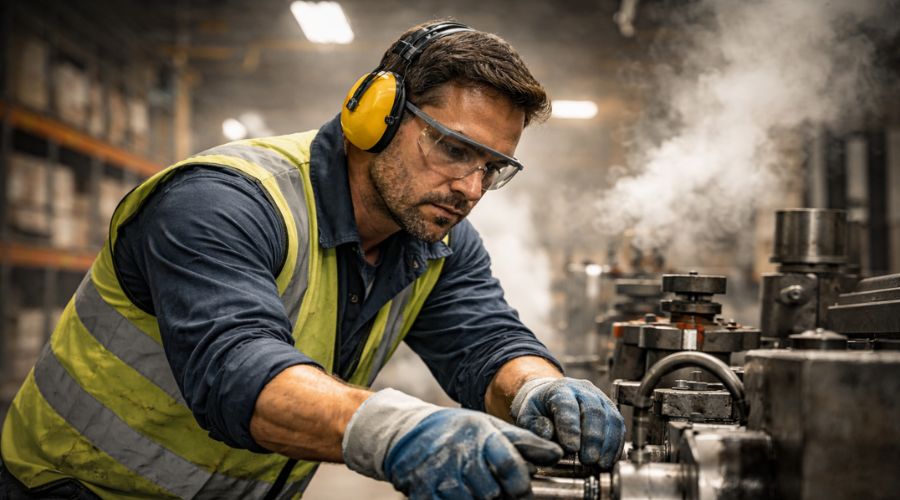
Burns and Chemical Exposure
Burn injuries and chemical exposures can happen in various workplaces such as kitchens, factories, laboratories, and industrial sites. Workers might encounter heat, electricity, steam, or dangerous substances as part of their job tasks.
Workers’ compensation may cover:
- Thermal burns
- Chemical burns
- Electrical burns
- Respiratory conditions caused by toxic fumes
Coverage can extend to both immediate injuries and long-term health effects.
Head Injuries and Traumatic Brain Injuries
Head injuries may occur due to falling objects, slips, vehicle accidents, or equipment failures. Even a mild concussion can cause persistent symptoms if not properly treated.
Covered head injuries may include:
- Concussions
- Traumatic brain injuries (TBIs)
- Skull fractures
Prompt medical evaluation is crucial, even if symptoms seem minor at first.
Occupational Illnesses
Workers’ compensation also includes coverage for illnesses resulting from workplace conditions or exposures. These cases often develop slowly over time, making them more difficult to detect.
Examples of occupational illnesses include:
- Respiratory diseases
- Skin conditions
- Hearing loss from prolonged noise exposure
- Illnesses linked to toxic substances
Medical documentation and timely reporting are especially important in these claims.
Injuries Caused by Workplace Violence
Some employees sustain injuries from acts of workplace violence, such as assaults by coworkers, customers, or third parties. If these injuries happen while they are performing their job duties, workers’ compensation could still be applicable.

Get Help With Your Workers’ Compensation Claim
A workplace injury can impact more than just your physical health; it can also disrupt your income, job security, and future prospects. If your workers’ compensation claim faces delays, rejection, or is undervalued, seeking legal advice can be highly beneficial.
Oracle Law Firm | Accident & Injury Attorneys assists injured workers in understanding their rights, filing solid workers’ compensation claims, and obtaining the full benefits they are entitled to.
Whether you require help with medical care, wage replacement, or long-term disability benefits, our team is committed to supporting you every step of the way. If you’ve been hurt at work, contact us today for a free consultation to discover how we can assist in protecting your recovery and financial security.
Frequently Asked Questions
What types of injuries are covered by workers’ compensation?
Workers’ compensation covers injuries and illnesses from employment, including slip and fall injuries, repetitive stress, back injuries, burns, head injuries, occupational illnesses, and workplace accidents or violence.
Are repetitive stress injuries covered even if they develop over time?
Yes. Injuries such as carpal tunnel syndrome, tendinitis, and chronic back pain are often covered, even when symptoms develop gradually rather than from a single accident.
Do I need to prove my employer was at fault to receive benefits?
Workers’ compensation operates as a no-fault system, meaning that employees typically receive benefits regardless of who was responsible for the accident, as long as the injury happened while performing their job duties.
What should I do if my workers’ compensation claim is denied?
If your claim is denied, you may be able to appeal the decision, submit additional medical evidence, or work with an attorney to challenge the denial and protect your rights.
Can I receive workers’ compensation if I was injured by a coworker or third party?
Yes. Injuries caused by coworkers, customers, or other third parties may still be covered if they occur during the course of employment. In some cases, additional legal claims may also be available.