An El Toro Y crash can leave you with two urgent questions: how badly you are hurt, and who is going to pay for it. The El Toro Y is where the I-5 meets the I-405 in Irvine, an interchange built in the 1990s and heavily used by commuters, trucks, and drivers merging across several lanes. Crashes there involve more variables than a typical two-car collision, and the answer to “who pays” is not always just the other driver. This guide explains how the payment system works and what to do first.
El Toro Y Crash: Who Pays for Your Injuries
California is an at-fault state. The driver who caused the crash, through that driver’s liability insurance, is responsible for your medical bills, lost income, and pain and suffering, up to the policy limits. At a merge-heavy interchange, fault usually comes down to a few familiar questions: did someone change lanes without room, follow too closely, or drive too fast for conditions? Our guide on who is at fault in a rear-end collision in California explains how those rules work.
Fault can be shared. If the insurer argues you contributed, your recovery is reduced by your percentage of fault but not eliminated. See what happens if you’re partly at fault for an accident in California.
Why Crashes at the El Toro Y Are More Complicated
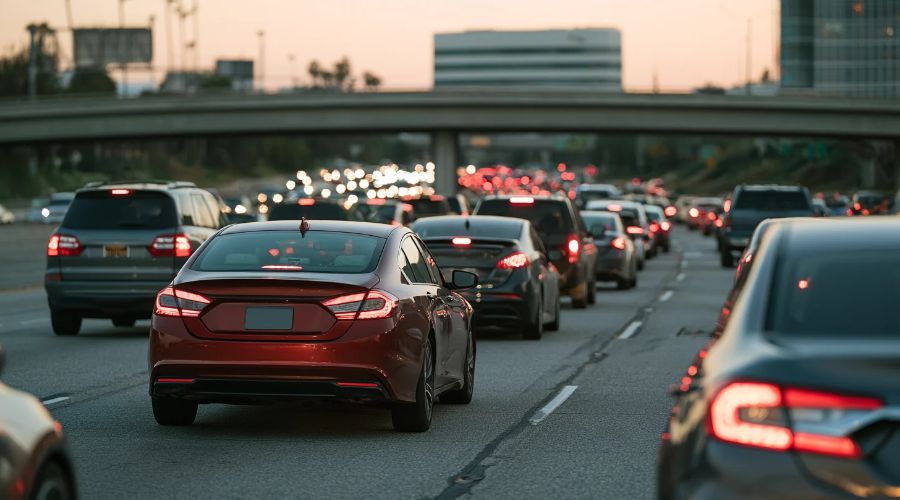
The El Toro Y is a freeway-to-freeway interchange maintained by Caltrans. Traffic from two major freeways merges, splits, and crosses in a short distance, and it is widely described as one of Orange County’s most congested interchanges. That produces chain-reaction rear-end crashes in stop-and-go traffic, sideswipes during last-second lane changes, and multi-vehicle collisions where several insurers and several drivers point at each other.
With more vehicles involved, more insurance policies can be in play. Each driver’s liability coverage may apply, and a commercial truck or a driver working for an employer can add another layer of coverage. For how this works with large vehicles, see our post on truck accident claims in California.
When Your Own Insurance Helps
Your own policy can fill gaps while the at-fault claim is pending. MedPay, if you have it, pays medical bills regardless of fault. Collision coverage, if you have it, repairs your car without waiting for fault to be decided. If the at-fault driver is uninsured or underinsured, your own uninsured or underinsured motorist coverage may pay the difference.
California’s minimum liability limits rose to $30,000 per person and $60,000 per accident on January 1, 2025, which often does not cover a serious freeway injury. Check your declarations page for your own limits. Our post on dealing with an accident caused by an uninsured driver explains how that coverage works.
When Caltrans or a Contractor May Share Responsibility
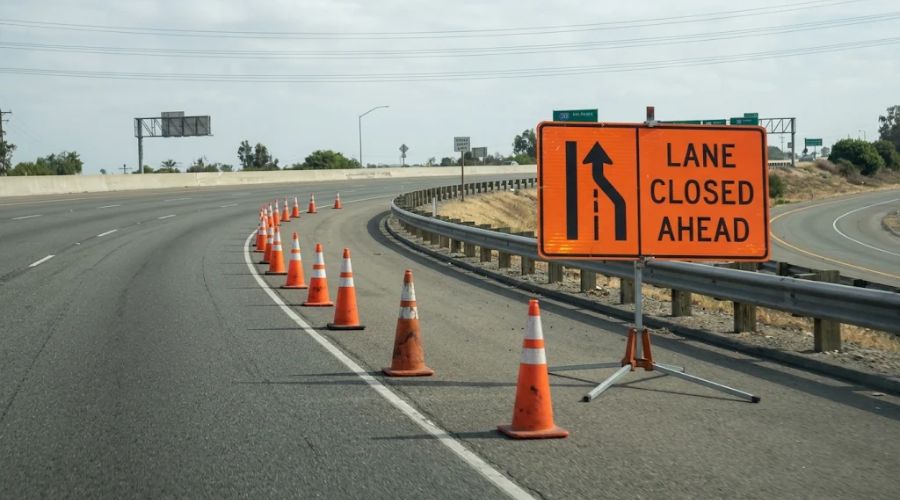
Because Caltrans maintains the El Toro Y, a government claim may be possible if a dangerous road condition contributed to your crash, such as missing or confusing signage, a poorly marked construction zone, debris, or a maintenance failure. A private contractor working on the roadway may also share responsibility. These claims are harder than a normal car accident claim, and they need evidence about the road itself, not just the other driver.
The deadline is much shorter. A claim against a government agency generally must be presented within six months under Government Code Section 911.2, compared with two years for a private driver. If there is any chance the road played a role, ask an attorney early, because the evidence can disappear and the clock keeps running.
What to Do After a Crash on a Freeway Interchange
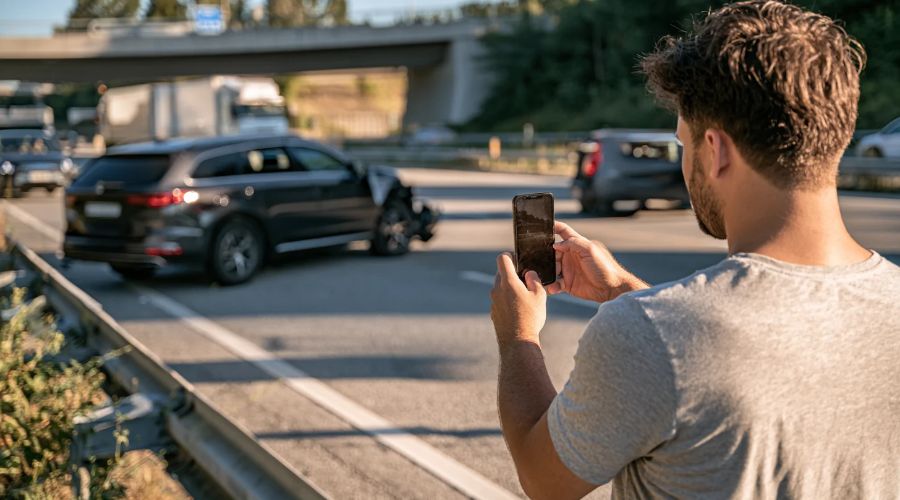
Your safety comes first. If you can, move to the shoulder and call 911. The California Highway Patrol typically investigates freeway crashes, so ask the officer how to get the report and keep the report number. Photograph vehicle positions, damage, lane markings, signs, and any construction signage before the scene clears. Note your lane, your direction, and where on the interchange it happened, and get witness contact information.
Get medical care the same day, even if you feel fine, because injuries like whiplash and concussion can show up later. Do not give a recorded statement to any insurer before you understand your rights, and do not accept a quick offer. See our guides on how to talk to an insurance adjuster after an accident and whether to accept the insurance company’s first offer.
Evidence That Can Disappear Fast
Dashcam footage, nearby drivers’ video, vehicle event data, and records about the road or construction zone can be overwritten or lost within days or weeks. An attorney can send preservation requests quickly and gather the records a freeway crash needs. In multi-vehicle crashes, this early evidence often decides who is assigned fault, and every percentage point changes what you recover.
Your Deadlines
A lawsuit against a private driver must generally be filed within two years under Code of Civil Procedure Section 335.1. A claim against a government agency generally must be presented within six months. For every deadline in one place, see how long you have to file a car accident claim in California. For more on Irvine-specific roads and rules, read our guide to Irvine car accident claims, and for what a claim may be worth, see what your personal injury case is worth in California.
Frequently Asked Questions
Who pays for injuries in a crash at the El Toro Y?
Can Caltrans be responsible for a crash at the El Toro Y?
How long do I have to file a claim after a freeway crash in Irvine?
What if the other driver has little or no insurance?
Who investigates a crash on the I-5 or I-405 in Irvine?
Hurt at the El Toro Y? Get Answers Before You Talk to an Insurer
Interchange crashes involve several drivers, several insurers, and sometimes a government agency. Oracle Law Firm | Accident & Injury Attorneys handles freeway crash claims throughout Orange County, with a free, confidential consultation, no upfront fees, and no obligation. You only pay if we recover compensation. Contact our team today before any recorded statement is given or any offer is accepted.