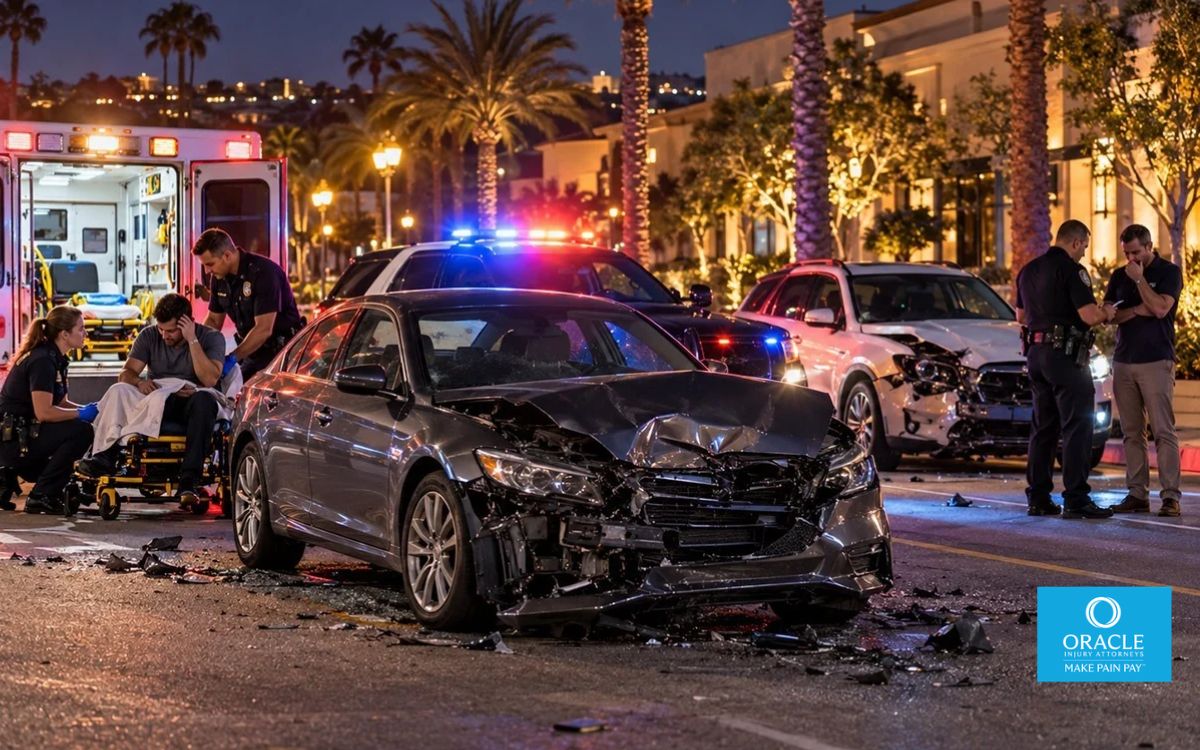
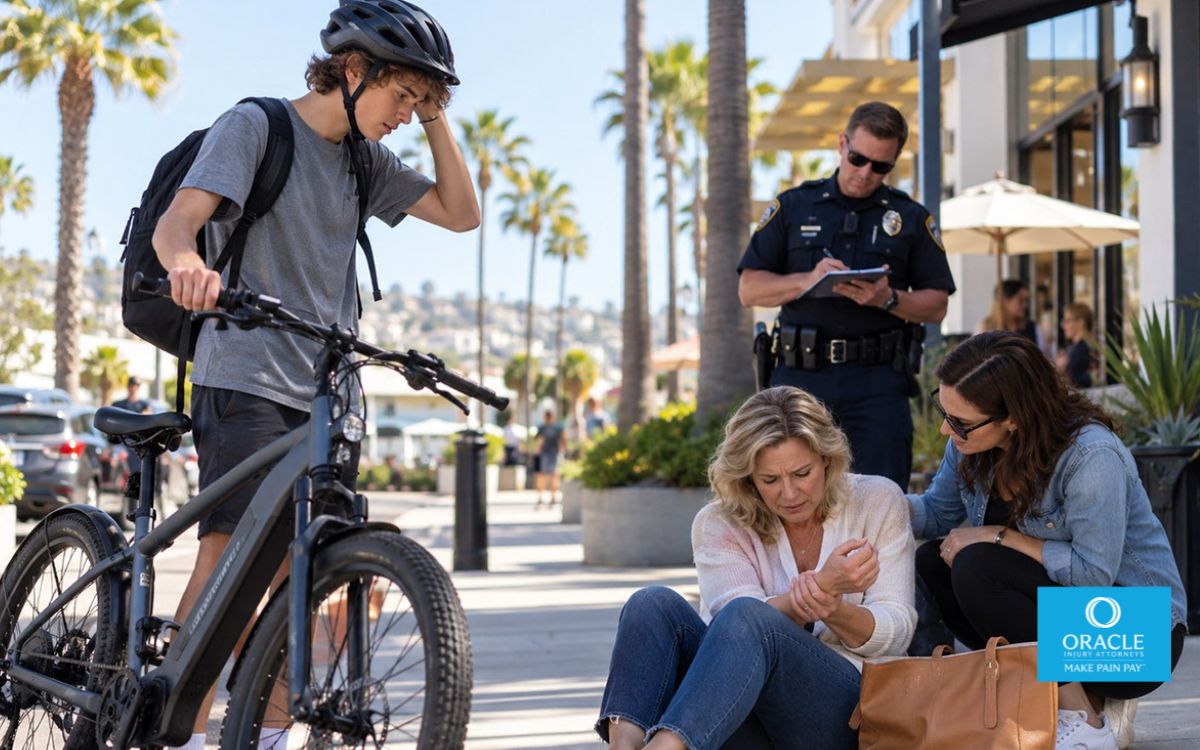
Halloween evening brings children onto residential streets at dusk, often in costumes that make them harder for drivers to see. A study published in JAMA Pediatrics found that children ages 4 to 8 had about 10 times the pedestrian fatality risk on Halloween evening compared with nearby control evenings.
California law requires drivers to exercise reasonable care, and a child’s conduct is not automatically judged by adult standards. If your child is injured in a Halloween pedestrian accident, prioritize medical care, preserve evidence, and understand the deadlines that may apply to your family’s claim.
Halloween should be a night for costumes, candy, and neighborhood traditions—not preventable traffic injuries. Research on Halloween pedestrian accidents highlights a recurring danger: more people walking, reduced visibility, and drivers sharing residential streets with excited children.
The statistics deserve context. Although the relative risk of a fatal pedestrian accident increases on Halloween, the absolute risk to any individual child remains low. Millions of children trick-or-treat safely every year. Understanding the risks can help families prepare and make informed decisions if an accident occurs.
In 2026, Halloween falls on Saturday, October 31, and daylight saving time ends the following morning in California. Sunset in Orange County is around 6 p.m., so families and drivers should pay particular attention to visibility during the early evening.
Here is what parents need to know about Halloween pedestrian safety, California driver liability, and the legal options that may be available if a child is injured.
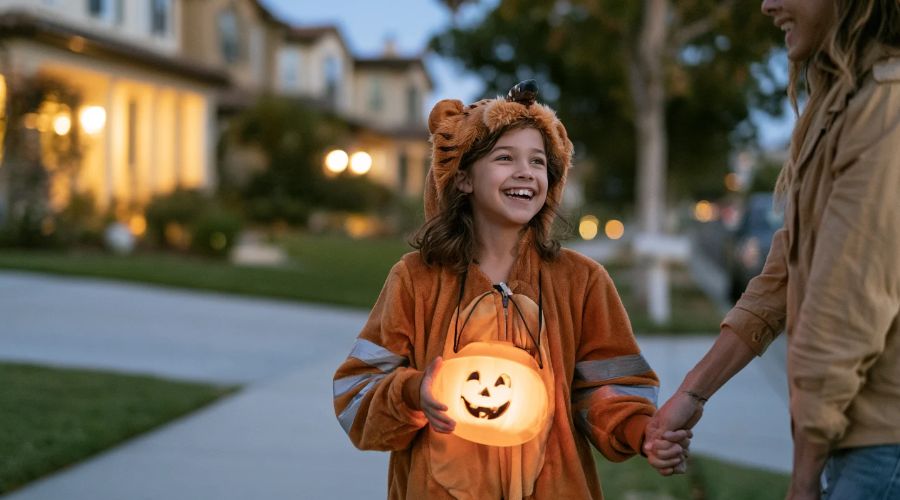
Why Halloween Is So Dangerous for Kids on Foot
Halloween combines several risk factors: more children walking than usual, reduced visibility around dusk, and children whose excitement can make their movements unpredictable. Research has identified the period around 6 p.m. as particularly dangerous for pedestrian fatalities, when fading daylight, commuting traffic, and trick-or-treating can overlap. Children ages 4 to 8 experienced the greatest relative increase in fatality risk in the research.
The study published in JAMA Pediatrics examined decades of U.S. traffic fatality data, comparing Halloween evenings with control evenings one week before and one week after. Researchers found that pedestrian fatality risk was higher on Halloween, with the most pronounced relative increase among children ages 4 to 8.
A Washington Post analysis of federal data also highlighted the danger around 6 p.m.
Several everyday conditions help explain the concern. Dark costumes can make children difficult to see, while masks may limit peripheral vision. Children may step out from between parked cars, cross mid-block to reach another house, or move unexpectedly when they see friends or candy.
Drivers may also be commuting, looking for parking, or traveling to Halloween parties as daylight fades. Distracted driving, speeding, and impaired driving can make these conditions even more dangerous.
Orange County neighborhoods face many of the same challenges. Popular trick-or-treat destinations, from the tree-lined streets of Old Towne Orange to residential areas of Irvine and the walkable neighborhoods of Huntington Beach, can attract families from outside the immediate area. More vehicles turning, parking, and backing out of driveways can create additional conflicts with pedestrians.
Understanding these risks is the first step toward better Halloween pedestrian safety. It also helps explain why the circumstances surrounding a child pedestrian accident matter when determining responsibility.
What California Law Expects From Drivers on Halloween Night
California drivers must use reasonable care to avoid injuring pedestrians. What reasonable care requires depends on the circumstances, including visibility, traffic, road conditions, and the presence of children near the roadway.
Halloween does not automatically establish that a driver is legally at fault. However, the foreseeable presence of trick-or-treaters may be relevant when evaluating whether a driver acted reasonably.
Under California Vehicle Code section 21950, drivers generally must yield to pedestrians crossing within marked crosswalks and unmarked crosswalks at intersections. Drivers approaching pedestrians in these crosswalks must exercise due care and reduce speed or take other necessary action to protect their safety.
Pedestrians also have legal responsibilities. The statute addresses situations in which a pedestrian suddenly enters the path of a vehicle that is too close to stop safely. These rules do not eliminate a driver’s independent duty to exercise due care.
A collision outside a crosswalk requires a fact-specific analysis. The location of the crossing, the driver’s speed, visibility, reaction time, and the conduct of everyone involved may affect the outcome.
For example, a driver traveling too quickly through a residential neighborhood, looking at a phone, or driving while impaired may face significant questions about whether reasonable care was exercised. The circumstances surrounding a Halloween pedestrian accident matter; the date alone does not determine liability.
Parents whose children are injured should avoid assuming that the driver is automatically responsible—or that the child is automatically at fault. An investigation of the available evidence can help clarify what happened and which legal principles apply.
Can a Child Be Blamed for a Pedestrian Accident?
California does not automatically judge a child’s conduct by the standard expected of an adult. Depending on the circumstances, a child’s conduct may be evaluated against what is reasonably expected of a child of similar age, intelligence, and experience.
This principle is reflected in the Judicial Council of California’s civil jury instructions, including CACI 403, which addresses the standard of care applicable to children. Its application depends on the facts and the law governing the particular case.
A young child who darts toward a neighbor’s porch may not have the same ability to anticipate traffic hazards as an adult. That difference can matter when assessing the events leading to a child pedestrian accident.
Insurance adjusters may nevertheless question whether a child was visible, crossed outside a crosswalk, or was adequately supervised. They may also examine whether a parent’s conduct contributed to the incident. These issues should be evaluated using the evidence and applicable law rather than assumptions about who must be responsible.
California follows a comparative fault system in which responsibility may be apportioned among parties when the law permits. An injured person’s recovery may be reduced by their share of fault. The application of comparative fault to a child’s claim, however, requires careful consideration of the child’s age, the applicable standard of care, and the facts of the collision.
The important point is that an insurer’s allegation does not establish legal fault. Witness statements, video footage, vehicle evidence, lighting conditions, and the driver’s conduct may all be relevant.
On Halloween night, the presence of children can be foreseeable. Whether a driver exercised reasonable care must be assessed in light of the circumstances.
What to Do If Your Child Is Hit on Halloween
If a car hits your child, seek emergency medical assistance first. Call 911 when appropriate, follow the medical team’s instructions, and do not assume your child is unharmed simply because there are no obvious injuries.
Head injuries and other trauma may not be immediately apparent. A medical professional can assess your child and determine what evaluation or treatment is needed.
Once your child’s immediate medical needs are addressed, preserving evidence can help establish how the pedestrian accident happened. Halloween presents a particular opportunity to locate witnesses and video footage because many neighbors are outdoors and residential cameras may capture activity around the time of the collision.
If it is safe and practical to do so, gather the following information:
- The police report number and the names of responding officers.
- Names and contact information for witnesses, including neighbors and other parents.
- Doorbell, porch, and security camera footage from nearby homes.
- Photographs of the scene, lighting conditions, crosswalks, parked vehicles, and the location where the car stopped.
- Your child’s costume, including reflective tape, lights, or other visibility features.
- Medical records, bills, discharge instructions, and notes about your child’s symptoms and recovery.
Ask nearby property owners to preserve relevant footage promptly. Some security systems overwrite recordings after a short period, and an early request may help prevent potentially useful evidence from disappearing.
Keep receipts and records relating to medical care and other accident-related expenses. You may also find it helpful to maintain a simple timeline of symptoms, appointments, missed school, and changes to your child’s daily activities.
Avoid guessing about what happened or making assumptions about fault when speaking with the driver or an insurance company. You can provide necessary information while explaining that you need time to understand the circumstances. Before giving a recorded statement or signing documents related to a claim, consider obtaining advice from a qualified California attorney.
These steps do not guarantee a particular legal outcome, but they can help preserve information relevant to a potential claim.
How Claims Work When the Injured Person Is a Child
A personal injury claim involving a child can raise legal and practical questions that differ from those in an adult’s case. California law has special rules concerning limitation periods for minors, claims brought by parents, and court approval of settlements.
Deadlines depend on the type of claim. Under California Code of Civil Procedure section 352, the statute of limitations may be tolled while an injured person is a minor, subject to statutory exceptions. This can affect the deadline for a child’s own injury claim.
Parents’ claims for medical expenses they have paid may be subject to a different deadline, including the general two-year limitation period under Code of Civil Procedure section 335.1, depending on the nature of the claim and the applicable law.
Claims involving a public entity or public employee can follow different procedures and much shorter deadlines. California’s general minor-tolling rule does not apply in the same way to claims subject to the government claims process. The applicable deadline should be confirmed promptly rather than assumed.
Even when a child’s claim may benefit from additional time, waiting can make it harder to obtain witness accounts, camera footage, medical documentation, and other evidence. Early legal guidance can help families identify which deadlines and procedures apply.
Court Approval of a Child’s Settlement
When a personal injury claim belonging to a minor settles, court approval is generally required under the applicable California procedures. This process is commonly called a “minor’s compromise.”
California Probate Code section 3500 addresses the compromise of certain claims belonging to minors. The applicable court process helps protect the child’s interests and assess whether the proposed settlement is appropriate.
Depending on the circumstances and the court’s order, settlement funds may be placed in a blocked account or handled through another approved arrangement until the child reaches adulthood or a different authorized distribution becomes appropriate.
Considering a Child’s Future Medical Needs
A child’s injuries may have consequences that extend beyond the initial emergency visit. A broken bone, traumatic brain injury, or significant scarring may affect school attendance, physical activities, emotional well-being, or future treatment needs.
Evaluating a claim may therefore require consideration of documented medical expenses, expected future care, rehabilitation, and other legally recoverable losses supported by the evidence. The appropriate assessment depends on the child’s injury, prognosis, and applicable law.
Our brain injury attorneys understand the importance of evaluating how serious injuries may affect a person’s life over time.
Keeping Halloween Safe and Knowing Your Options If It Isn’t
Most Halloween celebrations end without serious incidents. A few practical precautions can help children remain visible and reduce the likelihood of a pedestrian accident.
The National Highway Traffic Safety Administration offers pedestrian and traffic safety resources that families can use when preparing for Halloween.
For children and parents:
- Add reflective tape or lights to costumes and candy bags.
- Choose face paint where practical instead of masks that restrict vision.
- Give children flashlights or other reliable lights.
- Use sidewalks where available and cross at appropriate intersections and crosswalks.
- Teach children to stop, look for traffic, and make sure drivers have seen them before crossing.
- Accompany young children and supervise them closely near roads and driveways.
For drivers:
- Reduce speed in residential neighborhoods and remain alert for children.
- Put phones and other distractions away.
- Check carefully before reversing out of driveways or parking spaces.
- Watch for children who may be difficult to see between parked cars.
- Never drive while impaired by alcohol or other substances.
- Arrange a safe ride before attending a Halloween party if you expect to drink.
These Halloween safety tips for pedestrians and drivers cannot eliminate every risk, but they can help reduce preventable dangers.
If a careless driver injures your child despite your family’s precautions, you may have questions about medical expenses, liability, insurance, and your child’s legal rights. A qualified California attorney can help you understand the options available based on the specific facts.
The Bottom Line
Halloween pedestrian accidents are a preventable concern, particularly when more children are walking in low-light conditions. Research identifies a higher relative risk of pedestrian fatalities on Halloween, especially among children ages 4 to 8. Visibility, driver attention, and appropriate supervision can all play an important role in reducing danger.
California law requires drivers to exercise reasonable care, but responsibility for a collision depends on the circumstances. When a child is injured, prompt medical attention, careful documentation, and timely preservation of evidence can help protect the family’s options.
If your child was hurt in Irvine, Huntington Beach, Anaheim, or elsewhere in Orange County or the Inland Empire, our personal injury team can discuss your concerns and help you understand possible next steps.
Been in an accident or hurt on the job? You don’t have to navigate insurance companies alone. Oracle Law Firm fights to get you the compensation, control, and clarity you deserve.
Get a Free Consultation or call 888.597.4099.
Disclaimer: This article is for general informational purposes only and is not legal advice. Reading it does not create an attorney-client relationship. Every case depends on its own facts, and past results do not guarantee future outcomes. For advice about your situation, speak with a licensed California attorney.
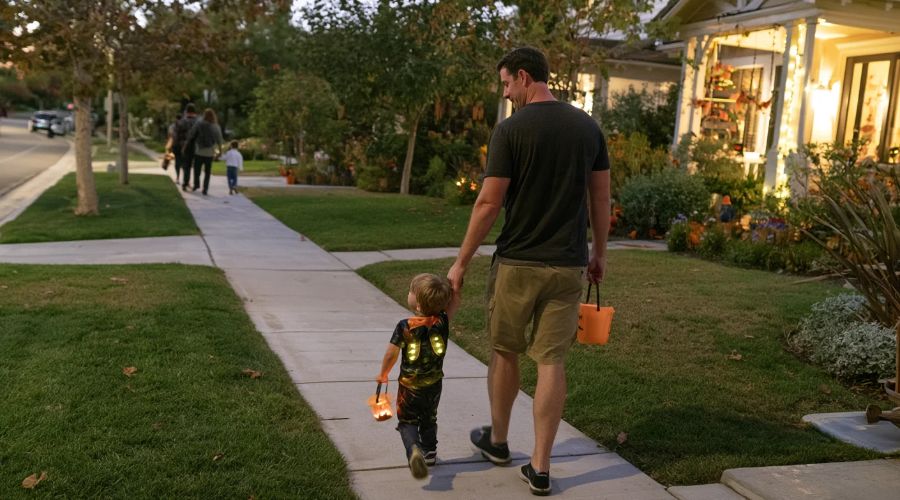
Frequently Asked Questions
Why is Halloween so dangerous for child pedestrians?
Halloween brings more children onto residential streets, often around dusk when visibility is reduced. Costumes and masks may make children harder to see, and young trick-or-treaters may behave unpredictably near traffic. A study published in JAMA Pediatrics found that children ages 4 to 8 experienced about a tenfold relative increase in pedestrian fatality risk on Halloween compared with nearby control evenings.
Who is at fault if a car hits a trick-or-treater?
Fault depends on the facts of the collision. California drivers must exercise reasonable care and comply with applicable pedestrian laws. Investigators may consider the driver’s speed, attention, visibility, the crossing location, and the conduct of the pedestrian. The presence of a child does not automatically determine fault, and each case requires an assessment of the evidence.
Can my child be blamed for being hit by a car?
California law does not automatically judge a child’s conduct by adult standards. The applicable standard may take the child’s age, intelligence, and experience into account. California’s comparative fault principles may also be relevant, depending on the circumstances and the law governing the claim. An insurer’s allegation that a child contributed to a collision does not, by itself, establish legal fault.
How long do I have to file a claim if my child was hit by a car?
The deadline depends on the type of claim and the circumstances. A child’s personal injury claim may benefit from tolling under California Code of Civil Procedure section 352, subject to exceptions. A parent’s separate claim for medical expenses may have a different limitation period, and claims against government entities can involve much shorter deadlines. Seek legal guidance promptly to determine which rules apply.
Does a court have to approve a settlement for an injured child?
Court approval is generally required for a settlement of a minor’s personal injury claim under applicable California procedures. The process, commonly known as a minor’s compromise, allows the court to review the proposed settlement and protect the child’s interests. The handling of settlement funds depends on the court’s order and the circumstances of the case.