A Step-by-Step Guide to Protecting Your Health, Rights, and Potential Claim

A car accident can happen in seconds, but the impact can last for weeks, months, or even years. In a city like Lake Forest, California, where daily commuting and busy intersections increase the risk of collisions, knowing exactly what to do after an accident is critical. The actions you take immediately following a crash can directly influence your physical recovery, financial stability, and ability to pursue compensation.
Whether it is a minor fender bender or a more serious collision, having a clear plan helps you stay calm and make informed decisions. This guide outlines the essential steps to take after a car accident in Lake Forest so you can protect yourself and strengthen any potential personal injury claim.
Ensure Safety and Check for Injuries
Your first priority after any car accident is safety. Check yourself and any passengers for injuries. Even if injuries seem minor, it is important to take them seriously. Some conditions, such as whiplash or internal injuries, may not present symptoms immediately.
Should anyone sustain injuries, promptly dial 911. Emergency responders can administer immediate medical attention and manage the scene effectively. If it is safe to do so, move vehicles out of traffic to prevent additional accidents.
Remaining calm and focused during this initial phase helps reduce further risk and ensures that everyone involved receives the care they need.
“Your health comes first after any accident. Even minor symptoms should never be ignored, as early treatment can prevent long-term complications.”
Contact Law Enforcement and File a Police Report
In California, it is highly recommended to contact law enforcement after a car accident, especially if there are injuries or significant property damage. Officers will document the scene, gather statements, and create an official police report.
This report becomes a critical piece of evidence in any insurance claim or legal case. It provides an unbiased account of what occurred and may include details about fault, road conditions, and witness observations.
When speaking with officers, provide accurate information but avoid speculating or admitting fault. Stick to the facts and let the investigation determine responsibility.
Gather Evidence at the Scene
If you are physically able, collecting evidence at the scene can significantly strengthen your case later. Use your phone to document key details, including:
- Photos of vehicle damage from multiple angles
- Images of the accident scene, traffic signals, and road conditions
- Visible injuries
- License plates and driver’s licenses
- Insurance information from all involved parties
Additionally, try to obtain contact information from witnesses. Their statements can provide valuable third-party perspectives that support your version of events.
The more comprehensive your documentation, the easier it becomes to establish what happened and who may be responsible.
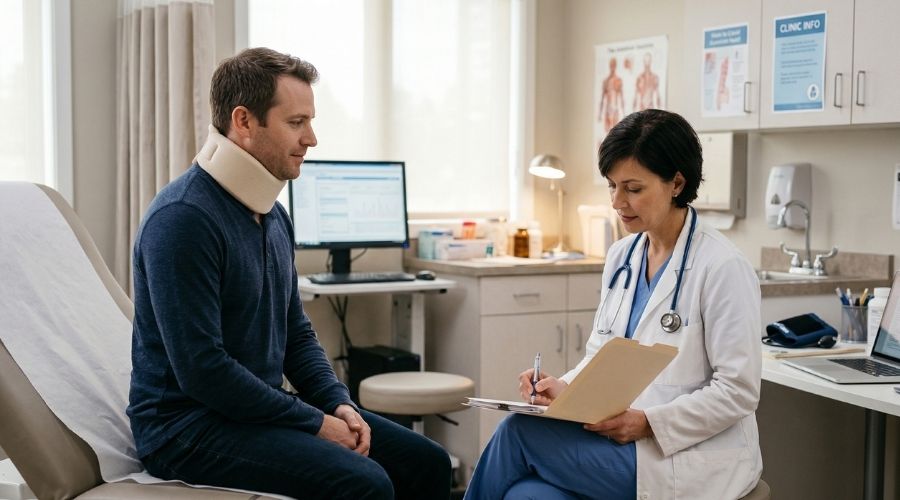
Seek Medical Attention Immediately
Even if you feel fine after the accident, it is essential to seek medical evaluation as soon as possible. Some injuries develop over time, and delaying treatment can worsen your condition and complicate your claim.
Medical records also serve as critical evidence. They create a direct link between the accident and your injuries, which is necessary when pursuing compensation.
Follow all recommended treatments, attend follow-up appointments, and keep detailed records of your care. Consistency in medical treatment demonstrates the seriousness of your injuries and supports your case.
“Prompt medical care not only protects your health but also creates a documented timeline that strengthens your personal injury claim.”
Notify Your Insurance Company
After addressing immediate safety and medical concerns, report the accident to your insurance company. Provide accurate details about the incident, but be cautious about making recorded statements without understanding your rights.
Insurance companies often aim to minimize payouts. Early in the process, statements you make could potentially turn against you later. It is advisable to stick to basic facts and avoid speculation.
Keep a record of all communications with your insurer, including emails, phone calls, and claim numbers. This documentation can be helpful if disputes arise.
Understand California’s Fault-Based System
California operates under a fault-based system for car accidents. This means that the driver who is found responsible for the accident is liable for damages.
In Lake Forest, determining fault may involve multiple factors, including:
- Traffic laws and violations
- Police reports
- Witness statements
- Accident reconstruction
- Insurance investigations
California also follows a comparative negligence rule. This means that even if you are partially at fault, you may still recover compensation, though it may be reduced based on your percentage of responsibility.
Understanding how fault works is essential when navigating insurance claims or legal proceedings.
Consult a Personal Injury Attorney Early
One of the most important steps you can take after a car accident is consulting with an experienced personal injury attorney. Legal guidance ensures that your rights are protected and that you do not settle for less than you deserve.
An attorney can help:
- Evaluate the strength of your case
- Handle communication with insurance companies
- Gather additional evidence
- Calculate the full value of your damages
- Negotiate a fair settlement or represent you in court
In many cases, having legal representation significantly increases the likelihood of receiving fair compensation.

Avoid Common Mistakes After an Accident
Many individuals unintentionally weaken their claims by making avoidable mistakes. Some of the most common include:
- Delaying medical treatment
- Admitting fault at the scene
- Failing to gather evidence
- Posting about the accident on social media
- Accepting a quick settlement without legal advice
Being aware of these pitfalls can help you make better decisions and protect your case.
Frequently Asked Questions
What should I do immediately after a car accident in Lake Forest?
Ensure safety, check for injuries, call 911 if needed, and document the scene. Then seek medical attention and report the accident.
Do I need to report every car accident in California?
Law enforcement and the DMV should receive reports of accidents involving injury, death, or significant property damage.
How long do I have to file a personal injury claim in California?
The statute of limitations is generally two years from the date of the accident.
Should I talk to the other driver’s insurance company?
It is best to consult an attorney before providing detailed statements to the other party’s insurer.
Conclusion
Knowing what to do after a car accident in Lake Forest, California, can make a significant difference in how your situation unfolds. From prioritizing your health to documenting evidence and understanding your legal rights, each step plays a role in protecting your future.
Taking prompt, well-informed action guarantees your safety and puts you in a position to fight for the compensation you deserve.
If you or a loved one has been involved in a car accident, working with an experienced legal team can provide clarity, confidence, and results. Contact Oracle Injury Attorneys today for a free consultation and let our team help you navigate your car accident claim with expertise and care.