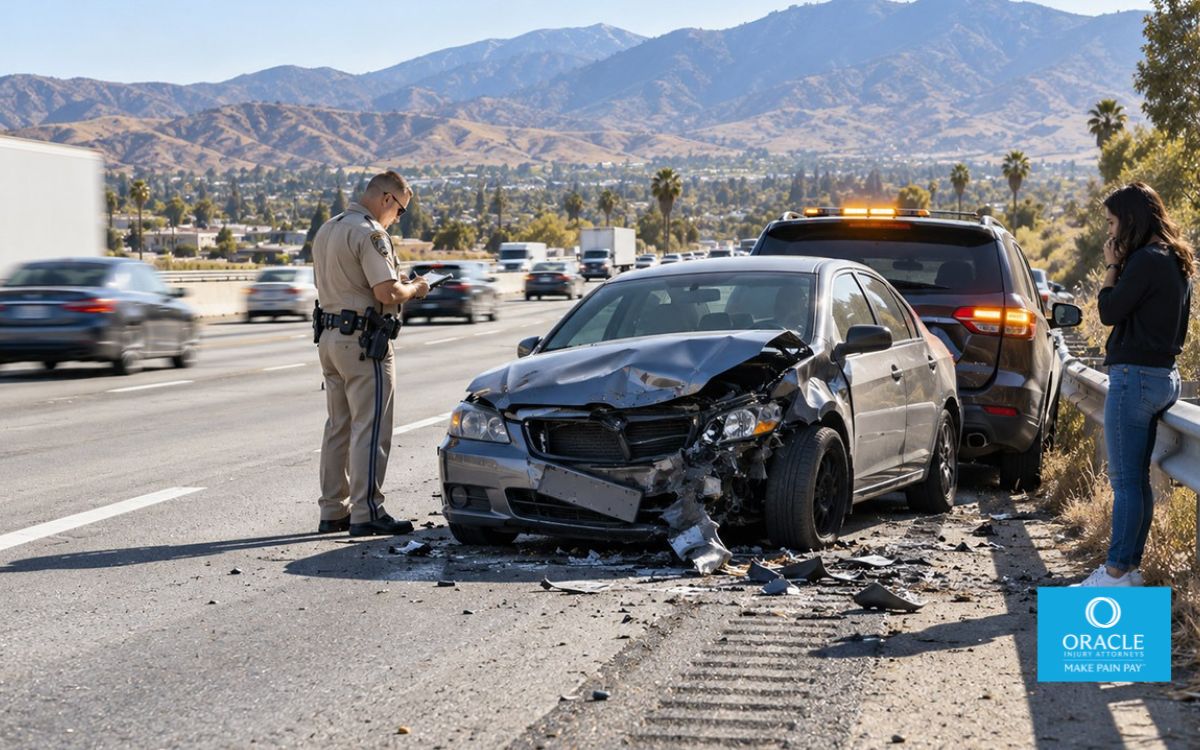
In the first 24 hours after a California car accident, your priorities are safety, documentation, and reporting. Check for injuries, move to safety if possible, photograph everything, exchange information, report the crash if required, and get checked by a doctor even if you feel fine. What you do (and say) in these first hours can directly affect your ability to recover compensation later.
Getting into a car accident is disorienting, and the adrenaline that gets you through the first few minutes can make it hard to think clearly about anything beyond the immediate moment. But the first 24 hours after a crash matter more than most people realize, both for your health and for any injury claim you may need to file later.
Here’s exactly what to do, in order.
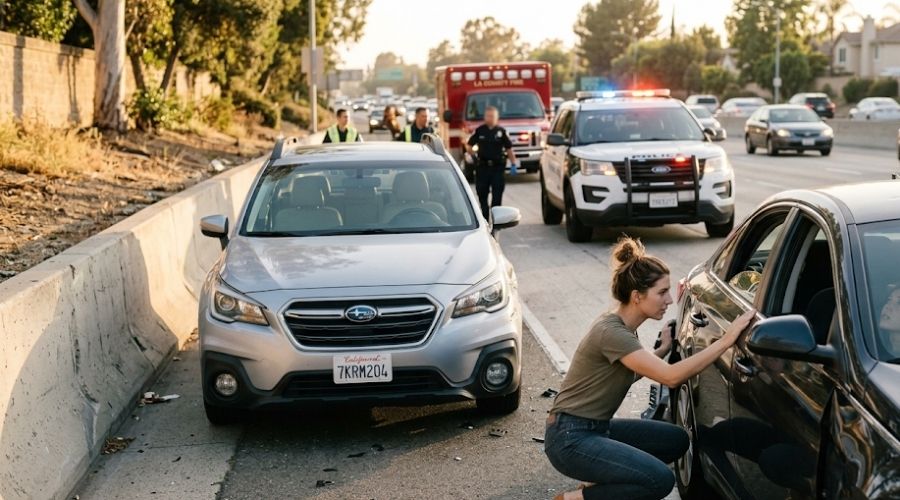
Check for Injuries and Get to Safety First
Your safety and health come first, before anything else. Call 911 immediately if anyone is injured. If the vehicles are drivable and it’s safe to do so, California law allows you to move them out of traffic and turn on your hazard lights, reducing the risk of a second collision while you sort things out.
Document the Scene Before It Changes
Physical evidence at an accident scene fades fast: skid marks disappear, debris gets cleared, and witnesses move on. Take photos of vehicle damage from multiple angles, road and weather conditions, visible injuries, and the general layout of the intersection or roadway. This documentation becomes harder to recreate the longer you wait, and it can meaningfully strengthen a claim later.
What you do in the first 24 hours can shape your entire claim.
Exchange Information the Right Way
Get the other driver’s name, contact information, insurance details, and license plate number. If there were witnesses, ask for their contact information too. Witness accounts are often the most objective record of what happened, but they’re only available if you gather them before everyone leaves the scene.
Know the Reporting Deadline
Under California Vehicle Code Section 20008, accidents involving injury or death must be reported to law enforcement within 24 hours. In practice, this usually means calling police or highway patrol to the scene at the time of the crash so an official report gets created. That report becomes an important piece of documentation for any claim that follows.
Notify Your Insurance Company, Carefully
Most policies require you to report an accident within 24 to 48 hours. When you make that call, keep your statement short and factual: date, time, location, vehicles involved, and injuries. Avoid speculating about fault or minimizing your injuries, since early statements are often reviewed closely later in the claims process.
You are not required to give a recorded statement to the other driver’s insurance company before speaking with an attorney. Insurance adjusters are trained to ask questions that can be used to minimize or deny a claim, and it’s reasonable to decline a recorded statement until you understand your rights.

Get Checked by a Doctor, Even If You Feel Fine
Some injuries, particularly neck, back, and spine injuries, don’t show symptoms right away. Adrenaline can mask pain for hours or even days after a crash. Getting a prompt medical evaluation protects both your health and your claim, since gaps between the accident date and your first medical visit is often used by insurers to argue an injury wasn’t serious or wasn’t caused by the crash.
What Comes After the First 24 Hours
Once the immediate steps are handled, the next priority is understanding your options. If another driver was at fault, you may have grounds for a claim covering medical expenses, lost wages, and other damages related to the crash. This stage is also the point where many people choose to consult a personal injury attorney, particularly if the insurance company starts pushing for a quick, low settlement.
If you were in an accident anywhere in Orange County or Los Angeles, Oracle Law Firm can walk you through your options and handle communication with insurance companies on your behalf. You don’t have to navigate the process alone, and a free consultation costs you nothing to explore where you stand.
Get a Free Consultation or call 888.597.4099.
This article is for general informational purposes only and does not constitute legal advice. Outcomes depend on the specific facts of each case; consult an attorney for guidance on your situation.
Frequently Asked Questions
Do I have to call the police after every car accident in California?
California law requires reporting to law enforcement within 24 hours when an accident results in injury or death. Even for accidents without injury, calling the police to create an official report is generally a good idea, since it documents the incident.
How soon do I need to see a doctor after a car accident?
As soon as possible, ideally within a day or two, even if you feel fine. Some injuries, especially to the neck and spine, don’t produce symptoms right away, and a delayed medical visit can be used by insurers to question whether the injury was caused by the crash.
Do I have to give a recorded statement to the other driver’s insurance company?
No, you’re not required to give a recorded statement to the other driver’s insurer before speaking with an attorney. These statements are often used to minimize or deny claims, so it’s reasonable to decline until you understand your rights.
What should I photograph at the scene of a car accident?
Vehicle damage from multiple angles, road and weather conditions, visible injuries, license plates, and the general layout of the scene. This evidence can be difficult to recreate later, so documenting it immediately matters.
When should I contact a car accident lawyer?
Contact a lawyer as soon as you can, especially if you have been injured or the insurance company is pressuring you for a quick settlement. An early consultation can help you understand your rights before you say something that could affect your claim.