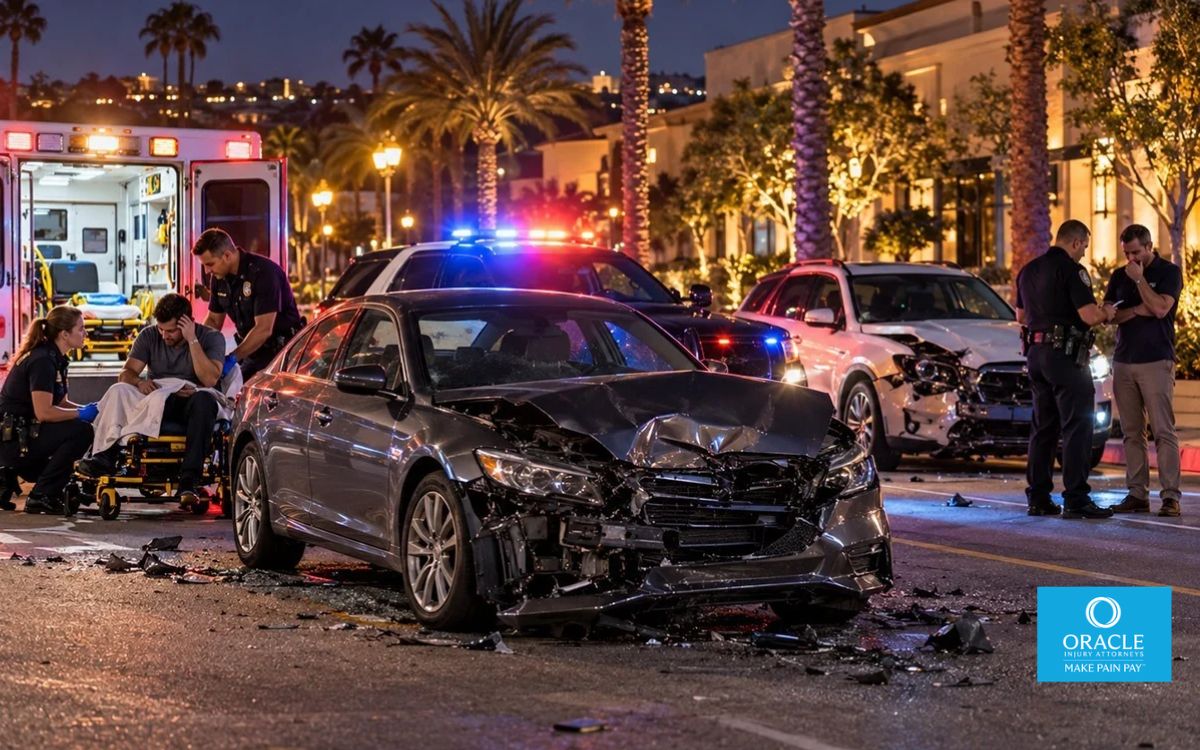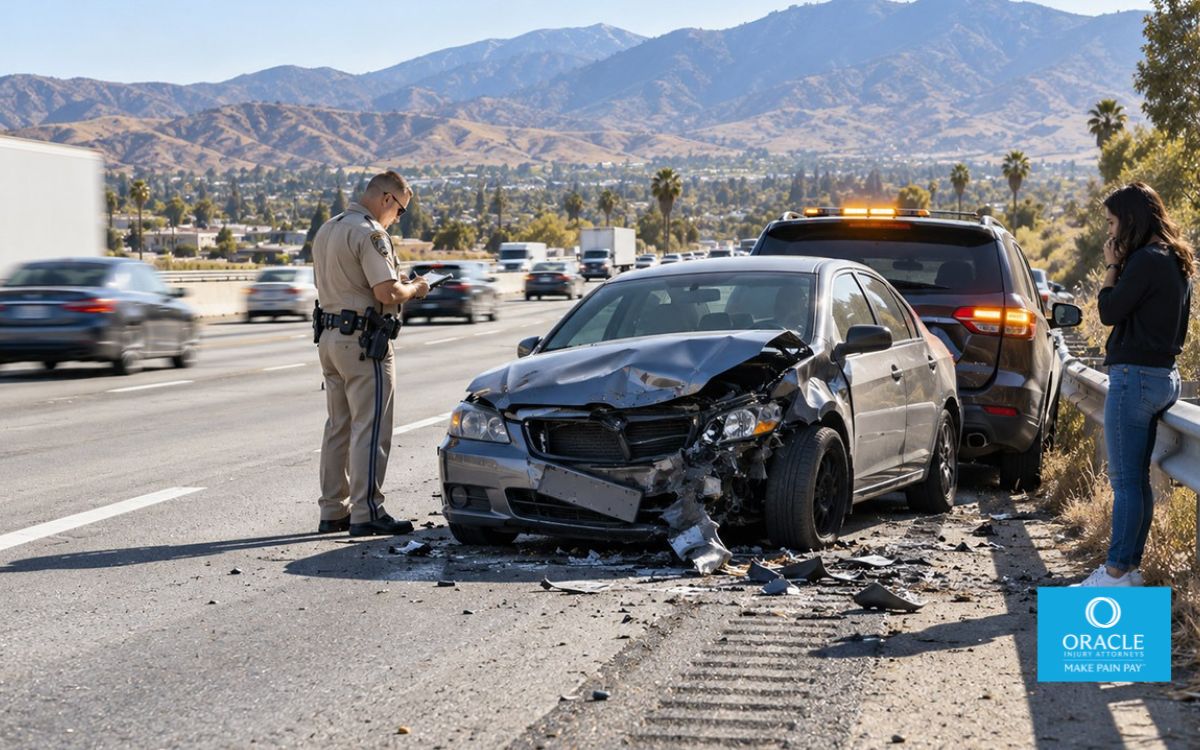
Roughly one in six drivers in California carries no insurance at all, which means your own uninsured motorist (UM) and underinsured motorist (UIM) coverage may be your only real protection after certain accidents. UM coverage applies when the at-fault driver has no insurance, while UIM coverage fills the gap when their policy isn’t enough to cover your losses.
Most people assume the other driver’s insurance will cover their losses after an accident. But California has one of the higher uninsured driver rates in the country, which makes understanding your own UM and UIM coverage more important than most drivers realize until they actually need it.
California Doesn’t Require UM/UIM Coverage, But It Matters Anyway
California law doesn’t require drivers to carry uninsured or underinsured motorist coverage, but insurers are required to offer it. Many drivers who decline it sign a written acknowledgment at the time, often without fully understanding what they’re giving up. With an estimated 16 to 17 percent of California drivers carrying no insurance at all, that’s roughly one in six drivers on the road who could leave you without a source of recovery if this coverage isn’t in place.
What Uninsured Motorist (UM) Coverage Actually Covers
One in six drivers on the road carries no insurance at all.
Uninsured motorist bodily injury coverage pays for injuries to you and your passengers when an at-fault driver has no insurance. A related coverage, uninsured motorist property damage, covers damage to your vehicle in the same situation, though it’s typically capped at a modest limit. Without UM coverage, an accident caused by an uninsured driver could leave you covering your own medical bills and lost wages.
What Underinsured Motorist (UIM) Coverage Covers
UIM coverage addresses a different problem: an at-fault driver who has insurance, but not enough of it. Your UIM coverage generally activates after the at-fault driver’s insurer pays out their full policy limit. If their policy caps out at a low limit but your medical bills and losses exceed that amount, your UIM coverage can cover the remaining gap, up to your own policy’s limit.
Coverage Limits Generally Match Your Liability Coverage
UM and UIM coverage limits are generally tied to the same limits as your liability coverage, up to certain statutory minimums. This issue is worth checking directly with your insurer, since drivers sometimes carry the state minimum without realizing how little that would actually cover in a serious accident.
Why This Coverage Matters More Than It Seems
It’s easy to assume you’ll never need UM or UIM coverage until an accident actually happens with an uninsured or underinsured driver. At that point, this coverage often becomes the only realistic path to recovering medical costs and lost income, since pursuing an uninsured driver personally for damages is rarely practical.

Filing a UM/UIM Claim
UM and UIM claims are filed against your insurance company rather than the at-fault driver’s, which puts you in a slightly different negotiating position than a standard third-party claim. Your insurer still has a financial interest in minimizing what they pay, so many of the same negotiation tactics used in standard claims can show up here too.
If you were in an accident involving an uninsured or underinsured driver anywhere in Orange County or Los Angeles, Oracle Law Firm can help you understand your policy, file your claim correctly, and push back against a lowball offer from your insurer.
Get a Free Consultation or call 888.597.4099.
This article is for general informational purposes only and does not constitute legal advice. Coverage terms vary by policy; consult an attorney or your insurance agent to confirm your specific coverage.
Frequently Asked Questions
Is uninsured motorist coverage required in California?
No, it’s not legally required, but insurers must offer it, and many drivers decline it without realizing the risk. Given California’s uninsured driver rate, this coverage is generally worth carrying.
What’s the difference between UM and UIM coverage?
UM coverage applies when the at-fault driver has no insurance at all. UIM coverage applies when the at-fault driver has insurance, but their policy limit isn’t enough to cover your full losses.
How much UM/UIM coverage should I carry?
Coverage limits generally match your liability coverage limits, but many drivers carry only the state minimum without realizing how little that would cover in a serious accident. It’s worth reviewing your specific limits with your insurer.
Do I file a UM/UIM claim against my insurance company?
Yes. Unlike a standard claim against the at-fault driver’s insurer, UM and UIM claims are filed against your own policy, which means your insurer still has a financial interest in minimizing your payout.
What if the at-fault driver has some insurance, but not enough?
That’s exactly what underinsured motorist coverage is for. Once the at-fault driver’s policy limit is exhausted, your UIM coverage can help cover the remaining gap in your medical bills and other losses, up to your policy’s limit.