Few places in Orange County put as many people on foot in one area as the streets around Disneyland. Families cross Harbor Boulevard after fireworks, guests walk from hotels to the gates, and rideshare cars and shuttles stop and start all day.
It is a setting where a driver in a hurry or a driver who is lost can turn a happy trip into an emergency. If you or a family member was hit while walking near Disneyland in Anaheim, one of your first questions is probably whether you can sue. The short answer is that you may be able to, and this guide explains how it works.
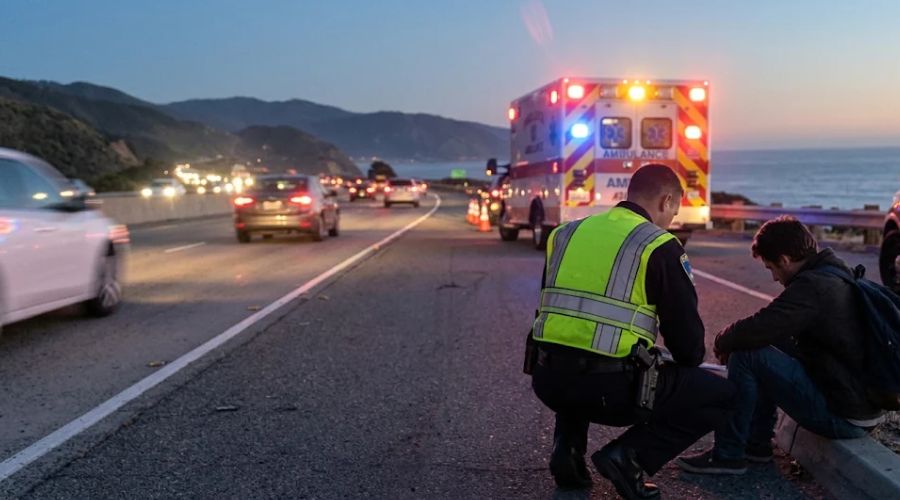
Pedestrian Hit Near Disneyland in Anaheim: Can You Sue?
Yes, you may be able to bring a claim. In California, a person who is injured because someone else failed to use reasonable care can seek compensation for medical bills, future treatment, lost income, and pain and suffering. For pedestrians, the law gives extra protection.
Under Vehicle Code Section 21950, drivers must yield the right of way to pedestrians crossing in a marked or unmarked crosswalk, and they must use due care for the safety of anyone on foot.
Whether you actually have a strong case depends on the facts. Who had the right of way, what the driver was doing, whether anyone was distracted or impaired, and what the evidence shows all matter. A lawyer can look at those details and tell you where you stand.
Why Pedestrian Crashes Happen Near the Resort
The area around Disneyland has a mix of conditions that raise the risk for people on foot. Crowds spill into crosswalks at the same time, often after long days and late shows. Hotel shuttles, tour buses, and public buses stop and pull out around pedestrians.
Rideshare drivers pick up and drop off passengers at the curb, sometimes in the middle of traffic. Hotel and parking driveways cut across sidewalks. And many drivers are visitors who do not know the area, so they stop suddenly, turn at the last second, or look at their phones for directions.
Some of these roads are city streets and some are state routes, and some of the driveways and lots are private property. That affects who may be responsible and which rules and deadlines apply.
What to Do Right After a Pedestrian Crash
Call 911 first and accept medical care at the scene, even if you feel okay, because adrenaline hides pain. Ask for the police report number, and keep your statements short and factual. The Anaheim Police Department generally responds to crashes on city streets in the area. Do not apologize or guess about fault.
If you are able, or if a friend or family member can help, take photos of the vehicle, the license plate, the crosswalk, the traffic signal, your injuries, and the surrounding area. Get the driver’s name, contact information, and insurance details, and the names and numbers of witnesses.
In a crowded area, witnesses are plentiful, but they disappear quickly, especially tourists. Keep your clothing and shoes as they were after the crash, and see a doctor soon after, even if you were released at the scene. For a similar checklist on another busy stretch of Orange County, see our guide for people hurt on PCH in Huntington Beach.
Who Can Be Held Responsible?
The first answer is usually the driver. But depending on the facts, more than one party may share responsibility. If the driver was working at the time, for example driving a hotel shuttle, a tour bus, a delivery vehicle, or a rideshare car with the app on, the employer or company and its insurance may be involved. A property owner or operator may be responsible if the crash happened in a private parking area or driveway with unsafe conditions, such as poor lighting, blocked sightlines, or no safe walkway.
Public agencies can also be involved. If a dangerous condition of public property, such as a broken signal, a poorly marked crossing, or an unsafe work zone, helped cause the crash, California law allows claims under Government Code Section 835. The same goes for a crash involving a public bus. These claims follow special rules and a much shorter deadline, which is covered below.

What If the Driver Left the Scene?
Hit-and-run crashes are especially frightening, and they are a real concern in busy tourist areas. Call 911 and report it to the Anaheim Police Department right away. Write down everything you remember, including the make, color, partial plate, direction of travel, and anything unusual about the vehicle, or ask someone with you to do it.
Hotels, shops, and the streets around the resort have many security cameras, and that footage is often erased within days, so speed matters. A lawyer can help send preservation requests and follow up on leads.
If the driver is never found, your own uninsured motorist coverage may help pay for your injuries, depending on your policy and its requirements. Check your policy early, since these claims can come with their own notice rules.
What If You Are Visiting From Out of Town?
Many people hurt near the resort are visitors, and they often worry that a claim will be impossible from another state or country. In general, a crash that happened in California is handled under California law no matter where you live, and you can still seek compensation.
Keep every medical record from your treatment here and from your doctors at home, along with receipts for flights, hotels, and other costs that changed because of the injury. Tell your treating doctors the injury came from a crash so that it is recorded.
A lawyer can often handle much of a claim without you traveling back, though some steps may require your participation. Do not assume you need to be in town to protect your rights, and do not ignore the deadlines just because you have gone home.
What If the Pedestrian Was Partly at Fault?
Insurers often argue that the person on foot caused the crash, for example by crossing against the signal, stepping out between cars, wearing dark clothing at night, or looking at a phone. Under Vehicle Code Section 21954, pedestrians outside a crosswalk must yield to vehicles, but that rule does not excuse a driver from using due care.
California follows comparative fault, which means your compensation is reduced by your share of responsibility instead of being denied. If a jury decided you were 20 percent at fault on a $100,000 claim, for example, you would recover $80,000.
That is why evidence matters so much. Video, witness statements, and photos of the crosswalk and signals can answer the other side’s claims. Our posts on how to talk to an insurance adjuster after an accident and 5 tactics insurance adjusters use to lower your settlement explain what to watch for.
Children, Families, and Wrongful Death
Families with children are some of the most common visitors in the area, and children are at higher risk in crowded crosswalks. Injured children generally have additional time to file a claim, but you should not rely on that, and settlements for children usually need court approval to make sure the child’s interests are protected.
If a loved one died after being hit, certain family members may be able to bring a wrongful death claim, which has its own rules and a two-year deadline in most cases. In both situations, speaking with a lawyer early is wise.
Handle Insurance Carefully
The driver’s liability insurance is usually the first source of compensation. If there is no insurance or not enough, your own uninsured or underinsured motorist coverage, health insurance, or medical payments coverage may help, depending on your policies. Be careful with the other side’s insurer. You do not have to give a recorded statement, and you should not sign a release or accept a quick offer before you know the full cost of your injuries.
Early offers usually arrive before the long-term picture is clear. For a look at how claims are valued, read what your personal injury case is worth in California, and if you are weighing whether to hire help, see do you need a personal injury lawyer in Orange County.
Deadlines for Pedestrian Accident Claims in California
Most personal injury lawsuits must be filed within two years under Code of Civil Procedure Section 335.1. If a government agency may share responsibility, a claim generally has to be presented within six months under Government Code Section 911.2.
Because it is not always clear at first whether an agency or a bus operator is involved, it is safer to assume the shorter deadline until a lawyer tells you otherwise. For every California deadline in one place, see how long you have to file a claim in California.

Frequently Asked Questions
Can I sue if I was hit by a car near Disneyland as a pedestrian?
What if I was not in a crosswalk when I was hit?
What if the driver who hit me drove away?
I live out of state. Can I still file a claim for a crash in Anaheim?
How long do I have to file a claim after a pedestrian accident in California?
Hit While Walking Near Disneyland? Get Answers Now
Pedestrian cases can involve drivers, companies, property owners, and public agencies, and evidence in a busy tourist area disappears fast. Oracle Law Firm | Accident & Injury Attorneys helps injured pedestrians, drivers, cyclists, and passengers throughout Orange County, including Anaheim, with a free, confidential consultation, no upfront fees, and no obligation.
You only pay if we recover compensation. Contact our team today before you speak with an insurance company.