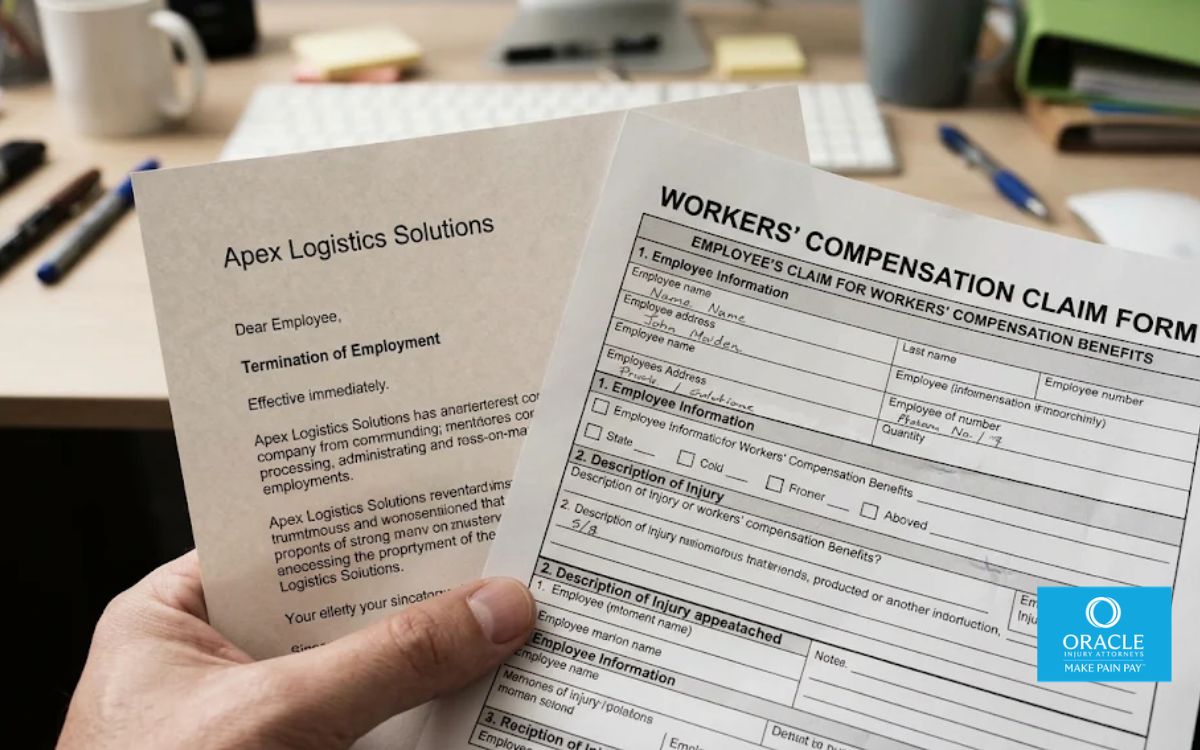
The QME exam is the one appointment in your workers’ comp case that you cannot afford to treat like a normal checkup. The doctor is not there to treat you. The doctor is there to write a medical-legal report that can set your permanent disability rating, address whether the injury is work-related, and anchor settlement talks.
Knowing what to expect and how to prepare is one of the few things fully in your control. This guide walks through the exam from the appointment letter to the report.
QME Exam: What to Expect in the Room
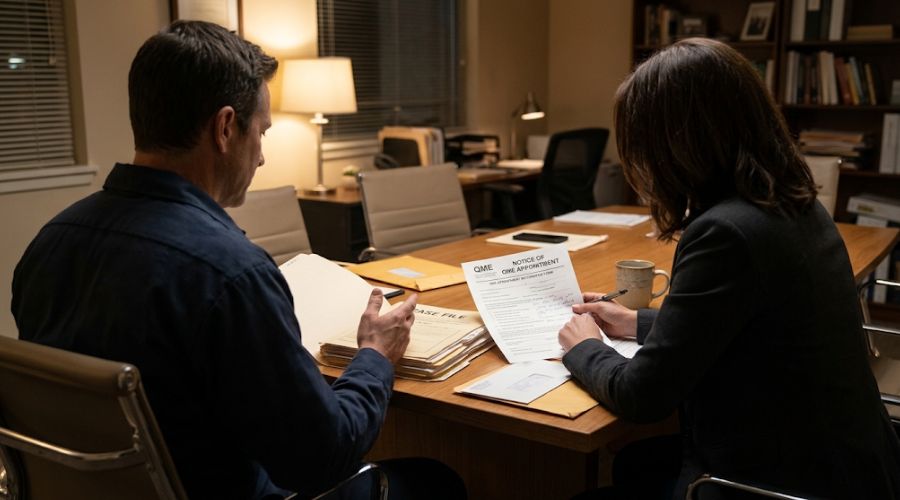
A Qualified Medical Evaluator is a physician certified by the state to give a neutral medical opinion in disputed claims. The visit is an evaluation, not treatment, and the evaluator does not owe you the same confidentiality as your own doctor, so anything you say can appear in the report. For the basics of what a QME is and how one is assigned, read our guide on what a QME is and why it matters to your claim.
Expect the exam to take longer than a typical doctor visit, often one to a few hours. The doctor reviews your records, asks how the injury happened, asks about your job duties, symptoms, prior injuries, and daily activities, and then examines you physically, which can include range of motion and strength testing. Under Labor Code Section 139.2, the QME then writes a comprehensive report.
Before the Exam: Logistics You Should Settle Early
Confirm the date, time, and address as soon as you receive the appointment notice. Appointments are often set weeks or months out, so write the date down and plan around it. According to the California Division of Workers’ Compensation, the exam costs you nothing: the employer pays for the exam, a certified interpreter if you need one, and reasonable transportation, including lodging when necessary.
If English is not your first language, tell the QME’s office when the appointment is made so a certified interpreter is arranged, and confirm it a few days before. If you miss work to attend, you are entitled to temporary disability benefits for that day’s lost wages.
Do not skip the appointment: a missed exam can delay your claim for months and give the insurer an argument against you. If you truly cannot go, cancel in writing as early as possible.
Who Can Come With You?
You may be allowed to bring a non-attorney support person, such as an interpreter or a family member. An attorney generally cannot be in the exam room, so the preparation happens before you walk in. California rules may also allow audio recording of the exam in some circumstances with advance notice to the evaluator and the other side, so ask your attorney before you plan to record anything.
How to Prepare for the QME Exam?
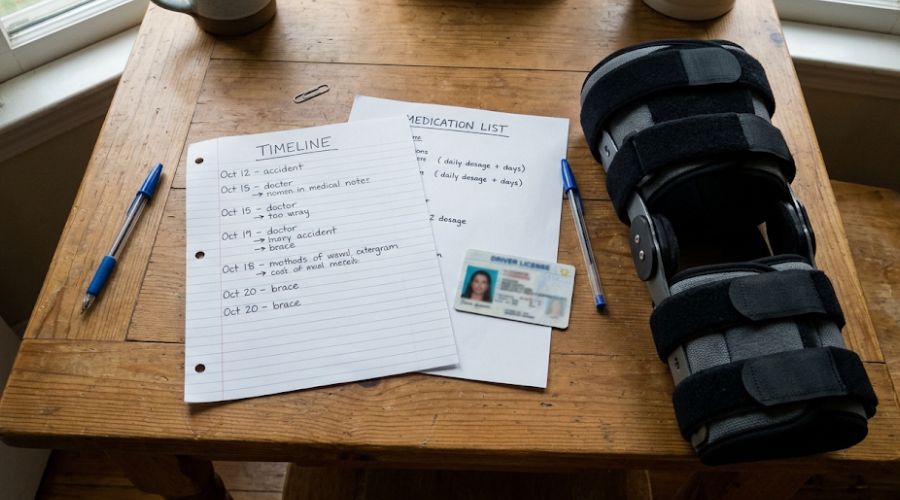
Preparation is not about rehearsing a story. It is about making sure you describe your real situation completely and consistently. A week before, write a short timeline: when the injury happened, what you felt, when you sought care, and what treatment you have had. Make a list of every medication, supplement, and treatment you use now, and bring it.
Be ready to describe your job in concrete detail: how much you lift, how often you bend or reach, how long you stand, and what you can no longer do. List every prior injury or condition in the same body parts, honestly. The QME has your records, and an omission looks worse than the old injury itself. Our post on repetitive stress and cumulative trauma claims at work explains why job-duty detail matters so much for gradual injuries.
What to Bring?
Bring a photo ID, the appointment notice, your medication and treatment list, your written timeline, and any glasses, braces, or supports you use daily. If you wear a brace or use a cane, wear it, because the doctor should see how you function normally. Arrive early and be courteous with everyone in the office. Assume you are being observed from the moment you arrive.
The Mistakes That Cost Workers the Most
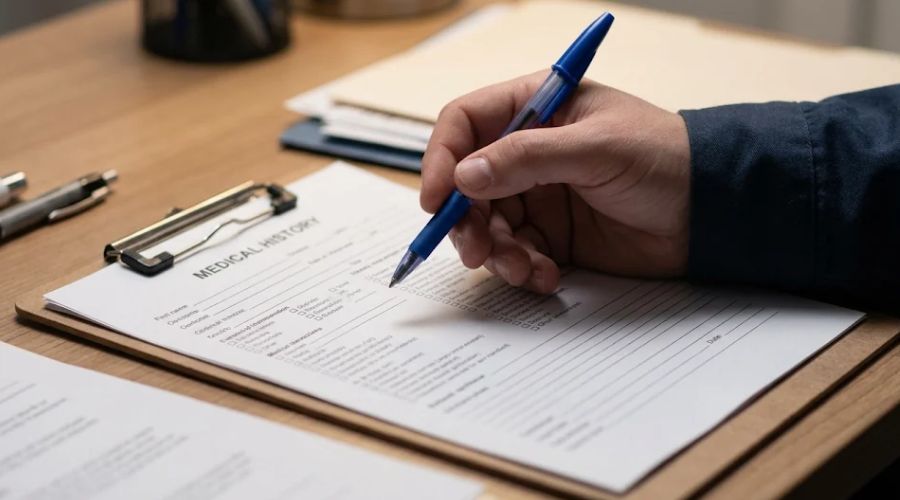
Minimizing is the most common mistake. Many workers say “I’m okay” out of habit, then the report records a milder condition than the one they live with. Describe your worst days and give concrete examples, such as how far you can walk or how long you can sit. Exaggerating is just as damaging, because inconsistencies with your records or your own movements undermine your credibility on everything else.
Other common mistakes include leaving out prior injuries, describing the accident differently than you did to your treating doctor, arguing with the evaluator, and discussing fault or the lawsuit instead of your symptoms. Consistency with your medical records is the single best protection, which is why your treating doctor’s notes from the first visit matter so much.
For how these exams feed into rating disputes, see our posts on temporary vs permanent disability in California and shoulder and knee work injury claim disputes.
After the Exam: The 30-Day Report
Write down how the exam went the same day: how long the doctor spent, whether your records were reviewed, and anything that felt rushed or missed. Those notes can help your attorney challenge an inaccurate report. The QME must prepare and submit the report within 30 days from the date the evaluator saw you. According to the Division of Workers’ Compensation, extensions are limited: up to 15 days for good cause, or up to 30 days when the doctor is waiting on test results or a consult report.
If the report does not arrive on time, tell your attorney immediately, or the DWC Medical Unit if you are unrepresented. The report covers causation, whether you have reached maximum medical improvement, your permanent disability, work restrictions, and future medical care. If it contains errors, there are ways to challenge it, from a supplemental request to a hearing before the Workers’ Compensation Appeals Board.
The best time to talk to a lawyer is before the exam, not after the report. See when to call a workers’ comp attorney in Orange County and what to expect from a workers’ compensation attorney.
Frequently Asked Questions
What happens at a QME exam in California?
Can my attorney go to the QME exam with me?
Who pays for the QME exam, interpreter, and travel?
How long does the QME have to write the report?
What happens if I miss my QME appointment?
Got a QME Appointment Coming Up? Prepare With a Lawyer First
The exam is short, but its report can shape the value of your claim for years. Oracle Law Firm | Accident & Injury Attorneys helps injured workers throughout Southern California prepare for QME exams and challenge inaccurate reports, with a free, confidential consultation, no upfront fees, and no obligation.
Contact our team today before your exam date.